Technology
Netlist and Samsung settle patent dispute in five-year memory deal

Netlist and Samsung Electronics settled their patent disputes in a five-year memory deal, ending a legal fight that had stretched since at least 2021. The agreement replaced a string of courtroom clashes with a commercial arrangement in a market where DRAM and related memory technologies sit inside servers, smartphones, data centers and other high-performance computing systems.
The dispute had already produced major financial pressure. A 2023 jury award gave Netlist $303.15 million in one Samsung patent case, and another Samsung case produced a separate $118 million verdict. The new pact, described as a multi-venue patent dispute settlement and five-year memory patent cross-licensing deal, suggests both sides saw more value in predictable access to technology than in keeping the fight alive.
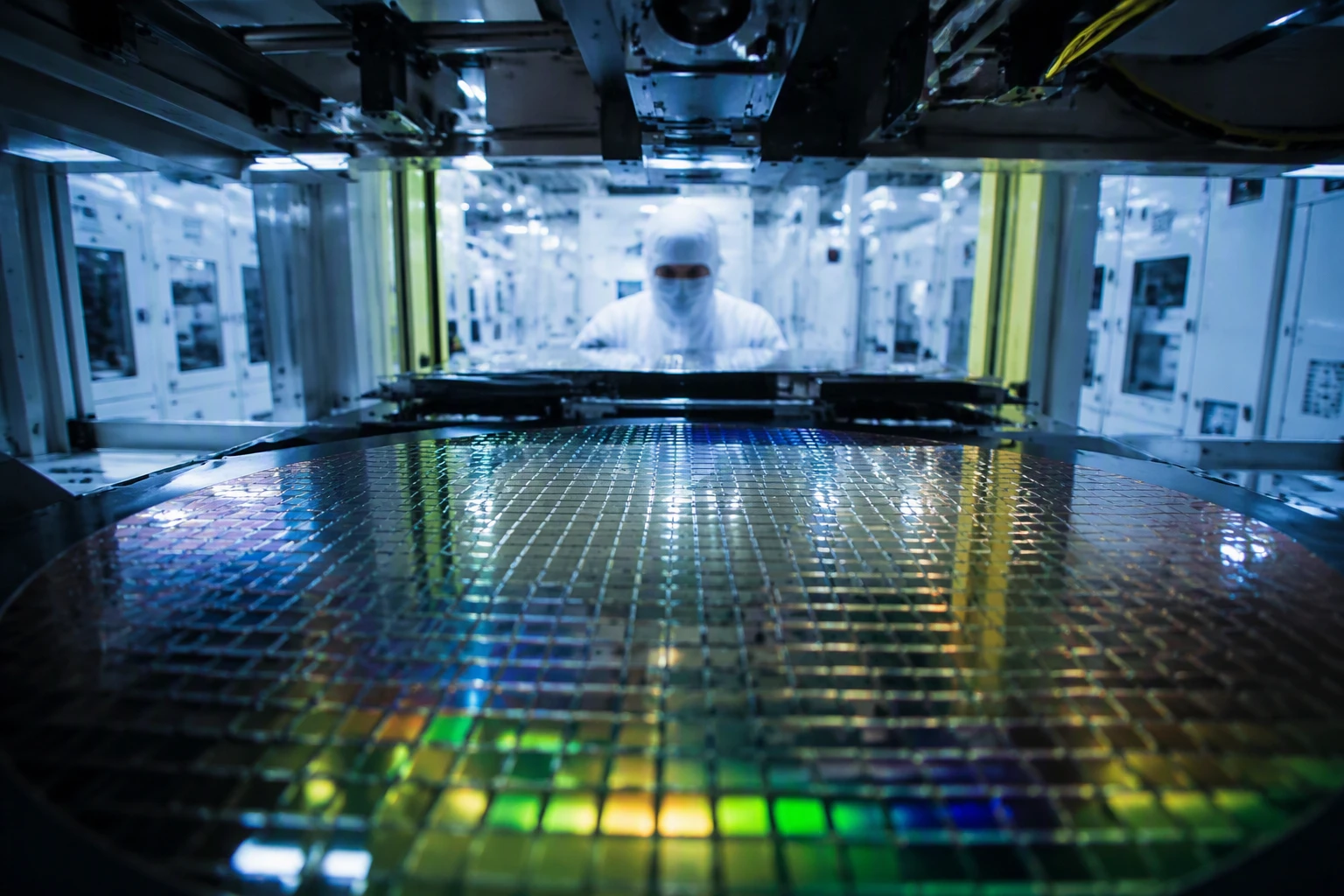
That shift matters because memory patents are not just legal assets. In the semiconductor business, they can shape who pays whom, who can ship what, and how quickly a product line can move through the supply chain. For Samsung, a five-year commercial deal can reduce exposure to more damage awards and help preserve continuity in a business where stable customer relationships and uninterrupted production carry enormous weight. For Netlist, the settlement turns litigation leverage into licensing value, with the possibility of cash compensation and formal recognition of its patent position.
The timing also fits a wider industry pattern. Chipmakers are trying to expand capacity, meet surging demand tied to artificial intelligence, and manage geopolitical restrictions at the same time. In that environment, patent certainty can be as important as fab capacity. A cross-license can ease legal distractions, give both companies a clearer planning horizon, and lower the odds that more products get pulled into another round of litigation.
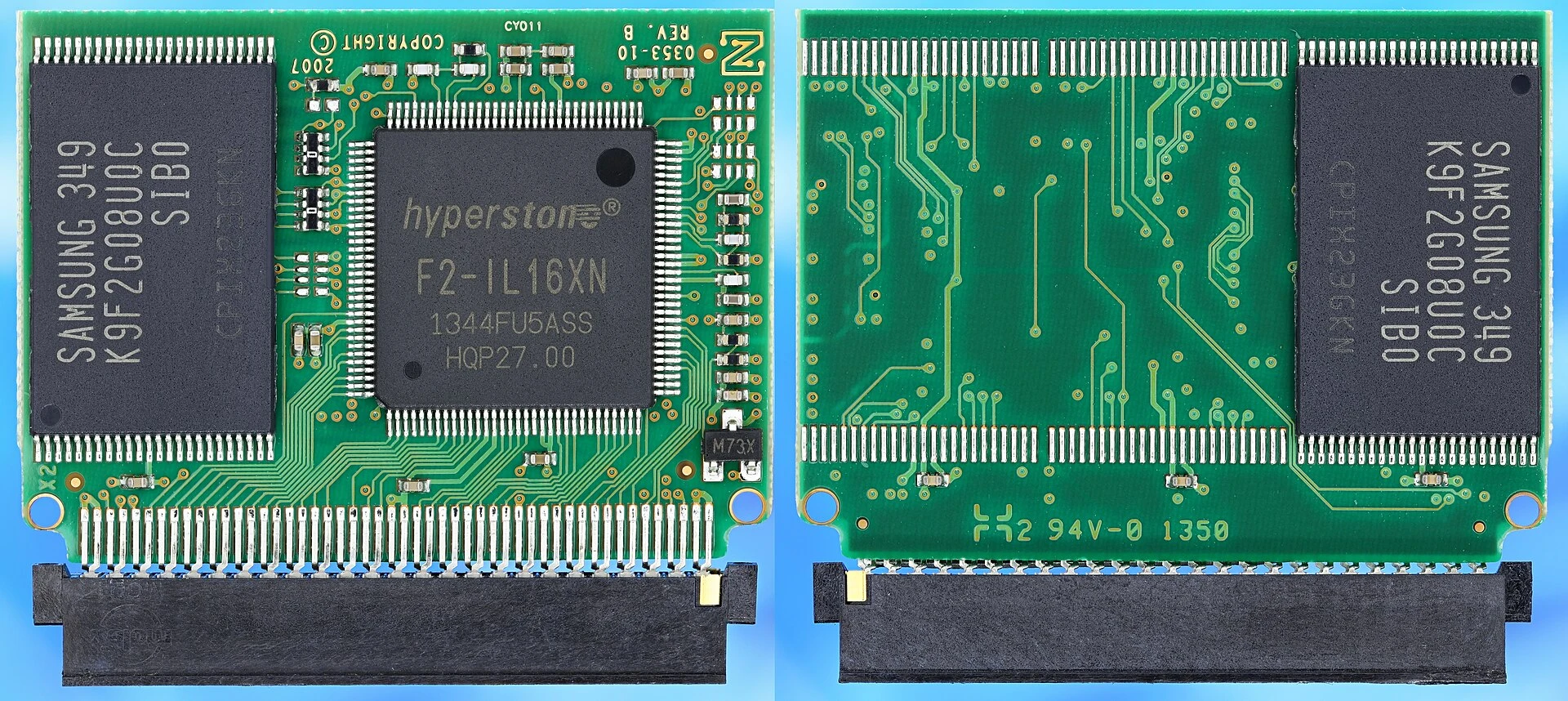
The broader signal reaches beyond these two firms. Memory technology underpins nearly every major computing platform, so a five-year deal can support supply stability for customers who depend on DRAM and related components. It also shows how quickly aggressive patent conflict can turn into strategic cooperation when the underlying technology is too important, and too commercially intertwined, to leave in permanent dispute.
Sources
- [1]reuters.com
- [2]ipfray.com
- [3]news.bloomberglaw.com
- [4]law.com
- [5]ptacts.uspto.gov
- [6]businesspost.ie
- [7]finance.yahoo.com
- [8]streetinsider.com
- [9]patsnap.com
- [10]koreajoongangdaily.com
- [11]m.investing.com