Politics
Nevada Lawmakers Split on Attending Trump’s State of the Union
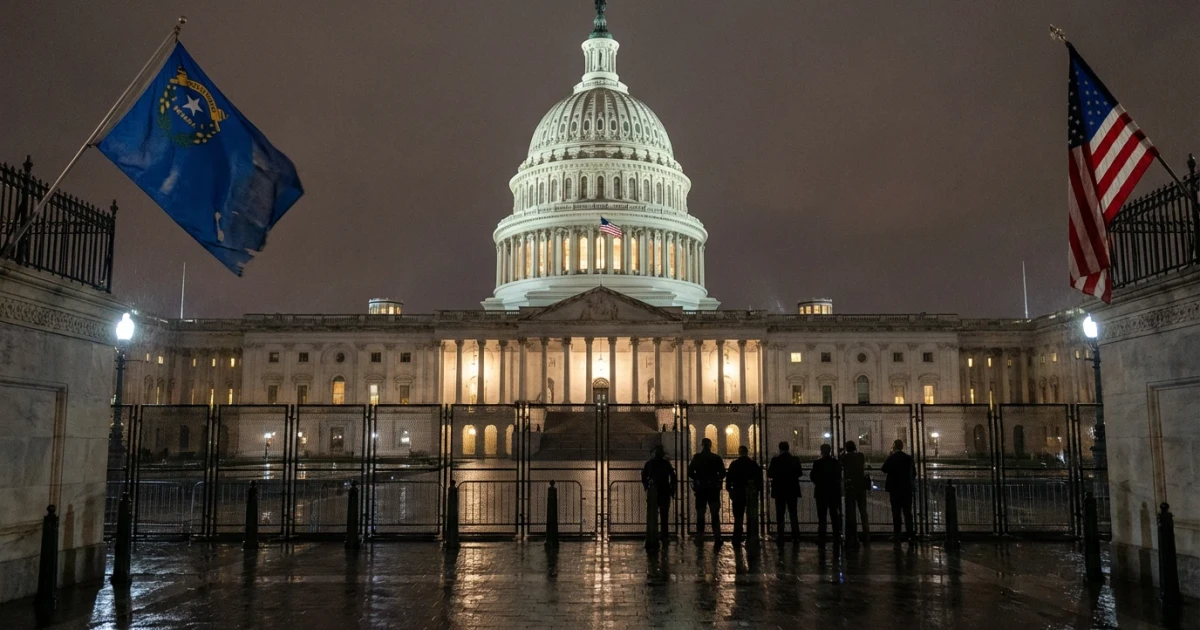
Nevada’s congressional delegation is reflecting deep partisan divisions as members announce whether they will attend or boycott President Donald Trump’s upcoming State of the Union address. The decisions from Nevada’s lawmakers highlight both personal and political motivations, mirroring national trends in congressional attendance at this high-profile event.
Delegation Decisions and Attendance
According to the Las Vegas Review-Journal, several Nevada representatives have confirmed their plans regarding attendance at the State of the Union. The official roster of House members and Senators contact list show Nevada is represented by a mix of Democrats and Republicans. These party affiliations often inform their choices for events such as the State of the Union.
- Some Nevada lawmakers, particularly Republicans, have stated they will attend, emphasizing their constitutional role and the importance of representing their constituents in major national forums.
- In contrast, several Democrats in the delegation have announced plans to boycott the address. Their decisions stem from disagreements with the President’s policies and concerns about the tone of recent political discourse.
Reasons for Attendance and Boycotts
The State of the Union address is a constitutionally mandated event, outlined in the official House resolution inviting the President to speak before a joint session of Congress. Traditionally, the event is attended by nearly all members, but recent years have seen a rise in boycotts and public statements of dissent, particularly during periods of heightened partisan conflict.
Analysis from Pew Research indicates that while boycotts remain relatively rare, they have become more common as lawmakers use the high-profile occasion to make political statements. Nevada’s delegation is no exception, with some citing the President’s rhetoric and policy choices as reasons for their absence, while others stress the importance of participating in formal government proceedings regardless of political disagreements.
Historical and National Context
According to Congress.gov’s State of the Union fact sheet, attendance at the address is both a symbolic and practical measure of legislative unity. However, as partisan divides have increased, so has the willingness of members to publicly abstain as a form of protest. Data from Roll Call’s congressional attendance records confirm that overall attendance rates remain high, but the number of absences for political reasons has grown in recent years.
Nevada’s actions are consistent with a broader national debate over the purpose and significance of attendance at landmark political events. While some view attendance as a duty, others see boycotts as a legitimate form of political expression.
Political Implications for Nevada
The choices made by Nevada’s delegation may carry implications both locally and nationally. According to GovTrack’s data, Nevada’s members have diverse voting records and policy priorities, and their choices regarding the State of the Union may influence their relationships with constituents, party leadership, and one another.
- For attendees, the focus is on engaging with the President’s agenda and demonstrating a willingness to work across the aisle where possible.
- For those boycotting, the decision sends a message to their supporters about standing firm on issues of principle and policy disagreement.
Looking Ahead
As the State of the Union address approaches, Nevada’s divided approach underscores the complex interplay between local representation and national politics. The choices made by each member will be watched closely by both their constituents and party leaders, setting the tone for legislative cooperation—or confrontation—in the months to come.