US News
New book revisits the Declaration’s enduring battle over American equality
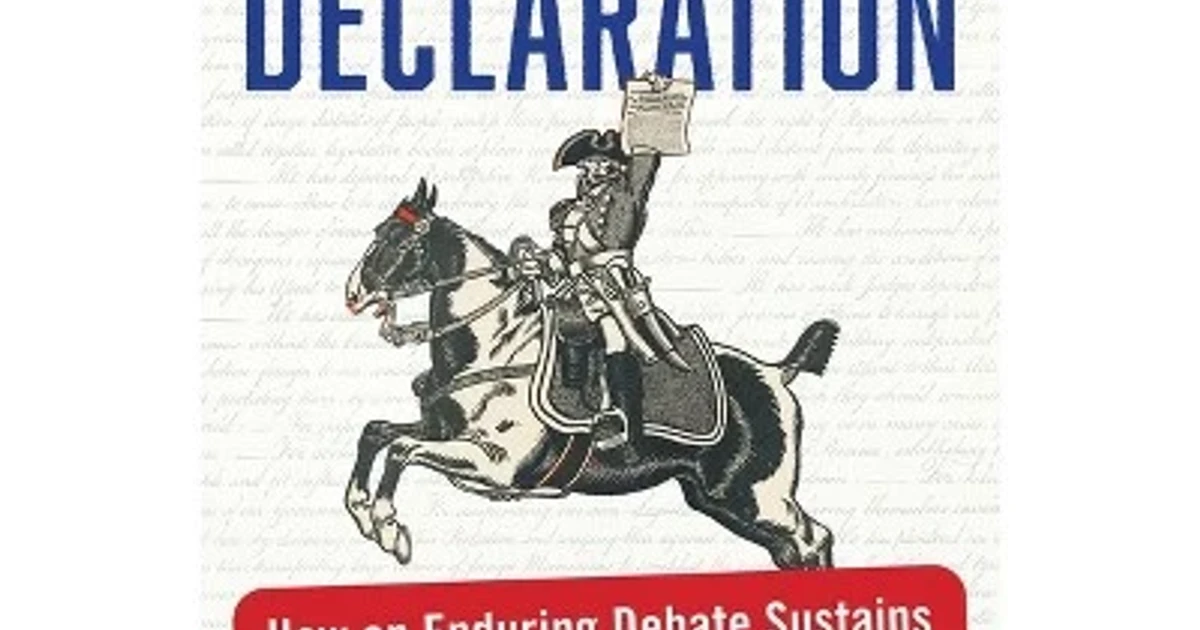
As the United States moves toward its 250th anniversary, a new book is reopening one of the nation’s oldest arguments: what the Declaration of Independence really demands when it promises equality, liberty and unalienable rights. Tony Williams and David Bobb argue that this is not a settled founding story but a continuing struggle that has run from Thomas Jefferson’s era through Abigail Adams, Frederick Douglass and later generations of reformers.
Divided Over the Declaration: How an Enduring Debate Sustains the Vision of America, released in hardcover on June 9, 2026 by Diversion Books, presents the Declaration as both a source of conflict and a force for national purpose. The publisher description casts the dispute over its meaning as America’s "fiercest ideological struggle," one that has not belonged only to the Founders. Enslaved people, suffragists, civil rights leaders and others all entered that argument, pressing the country to reckon with whether the founding words were a promise already fulfilled or a standard still waiting to be met.
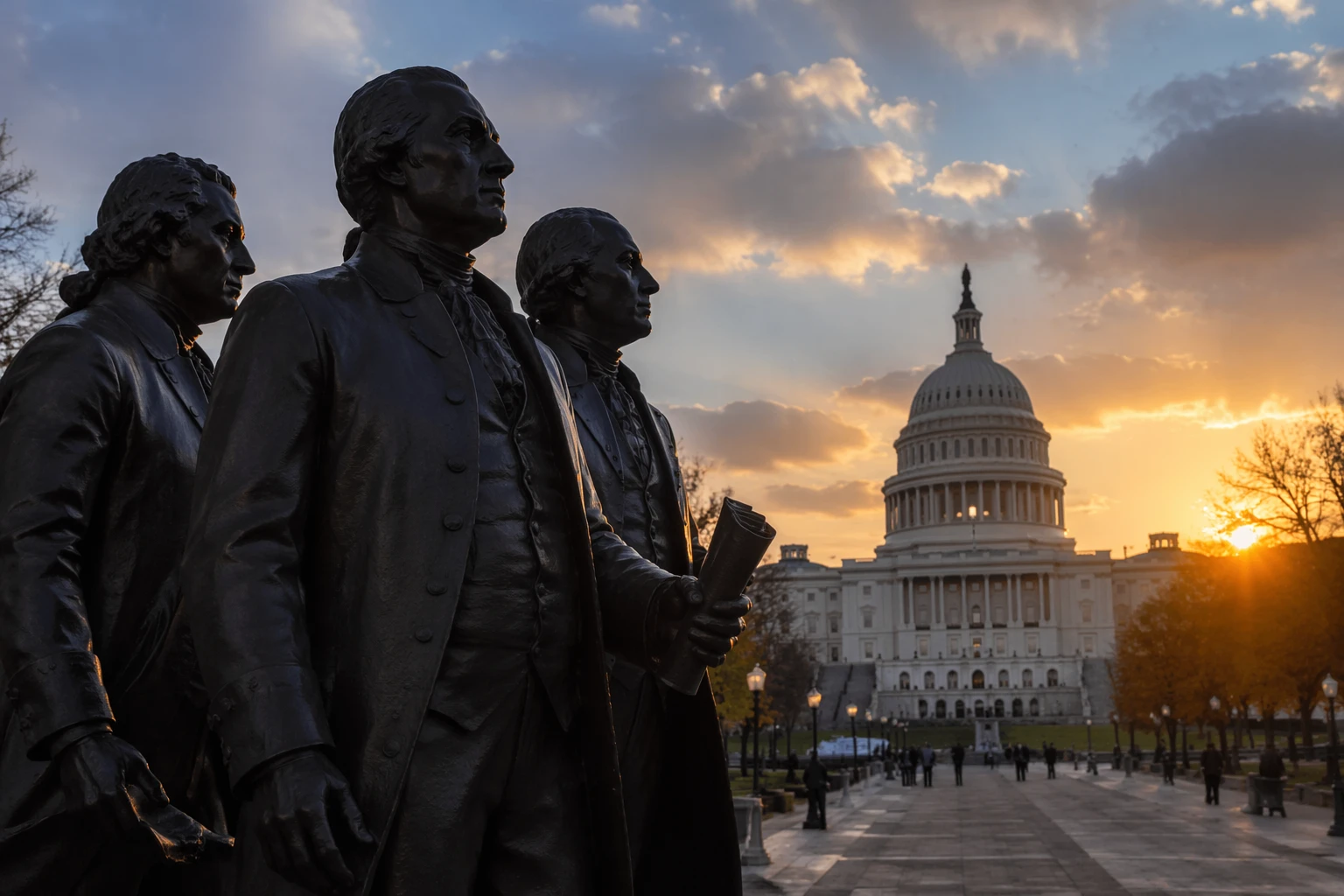
That framing gives the book immediate relevance in a political culture that often rewards speed, outrage and tribal certainty over patient disagreement. Williams and Bobb make the case that the founders did not avoid conflict over principle; they built a republic in which disagreement over the meaning of equality could be aired, contested and carried into public life. In that sense, the book is less interested in nostalgia than in the habits of argument that helped shape American democracy in the first place.
Williams brings his own institutional credentials to the project. He identifies himself as a Senior Fellow at the Bill of Rights Institute and says he is the author of seven books, including Divided Over the Declaration. Amazon lists the title as a new release in democracy and U.S. history, including Revolution and Founding history, signaling that the book is being positioned not just as a history title but as a contribution to a live national debate.
The book’s larger point is that the Declaration’s language has endured because generations kept arguing over it. Jefferson’s words did not end the conversation in 1776. They started one that abolitionists, suffragists and civil rights leaders forced the country to hear, and that argument now returns at a moment when the quality of public debate itself feels increasingly fragile.
Sources
- [1]cbsnews.com
- [2]amazon.com