Business
New data ranks university degrees by lifetime earnings potential

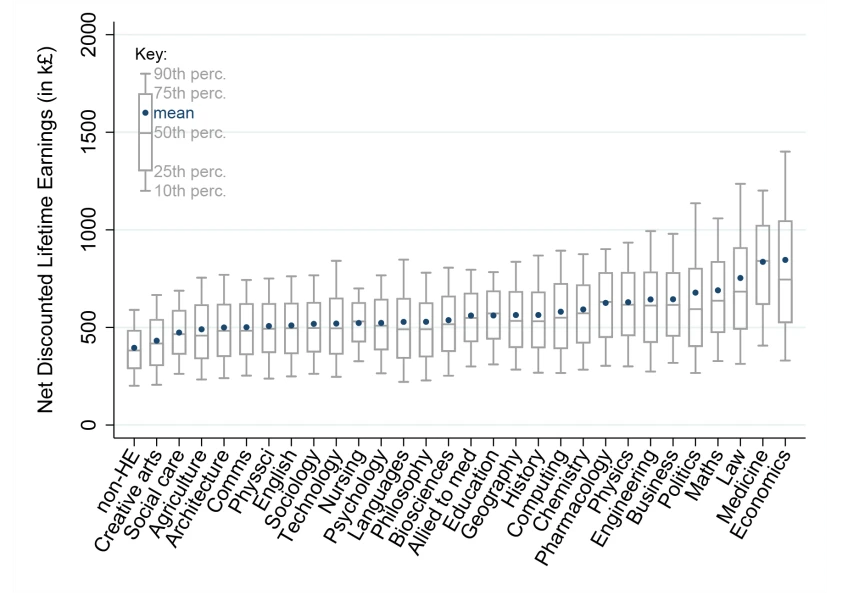
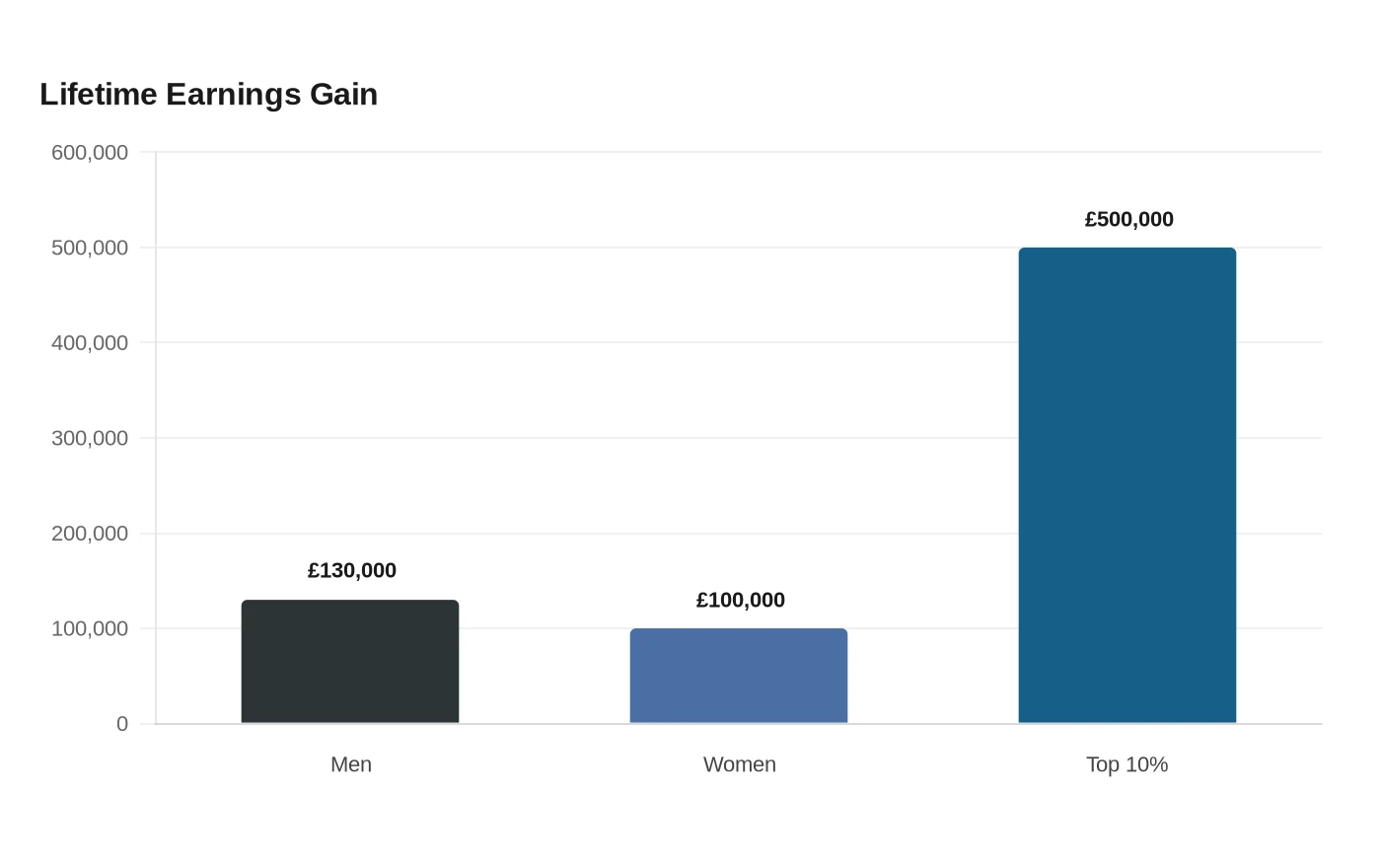
The Institute for Fiscal Studies has turned linked school, university and tax records into new degree-by-degree lifetime return estimates for English students, sharpening the debate over how much university really pays. Its latest figures show an average net lifetime earnings gain of about £130,000 for men and £100,000 for women in discounted present value terms, while the top 10% of graduates by return gain around half a million pounds on average.
The spread across subjects is wide enough to make simple league tables misleading. The IFS has said medicine and law are among the highest-return degrees, while many creative arts degrees deliver little or no financial gain on average. That gap matters because the strongest results are not evenly shared across all graduates, and the payoff from the same level of study depends heavily on subject choice, background and the wider labour market.

The wider earnings premium is also narrowing. The Office for National Statistics says the additional lifetime earnings associated with holding an undergraduate degree, compared with GCSEs as the highest qualification, fell from £245,000 in 2019 to £232,000 in 2024. That suggests the relative financial edge of a degree has softened over time even as tuition costs and borrowing remain central to student decision-making.
The data used to judge graduate pay are shifting too. Graduate Outcomes, the Higher Education Statistics Agency’s survey of graduates, began with the 2017/18 academic year and is not comparable with the old DLHE survey. HESA published its latest 2023/24 summary statistics on 4 June 2026, and it warns that salary comparisons across years should be treated with caution because of changes to the student data model and collection system.
HESA also says its salary tables cover full-time paid UK employment in pounds and exclude outliers. The agency has argued that real earnings matter because nominal salary figures can hide falls in purchasing power, especially in sectors such as education and health. Put together, the IFS and HESA evidence points to the same conclusion: the headline question is no longer whether university pays off, but which degree, for whom, and over what horizon.
Sources
- [1]bbc.co.uk
- [2]ifs.org.uk
- [3]ons.gov.uk
- [4]hesa.ac.uk