Health
New Evidence Reveals Deep Impact of Discrimination on Black Communities’ Lifespans
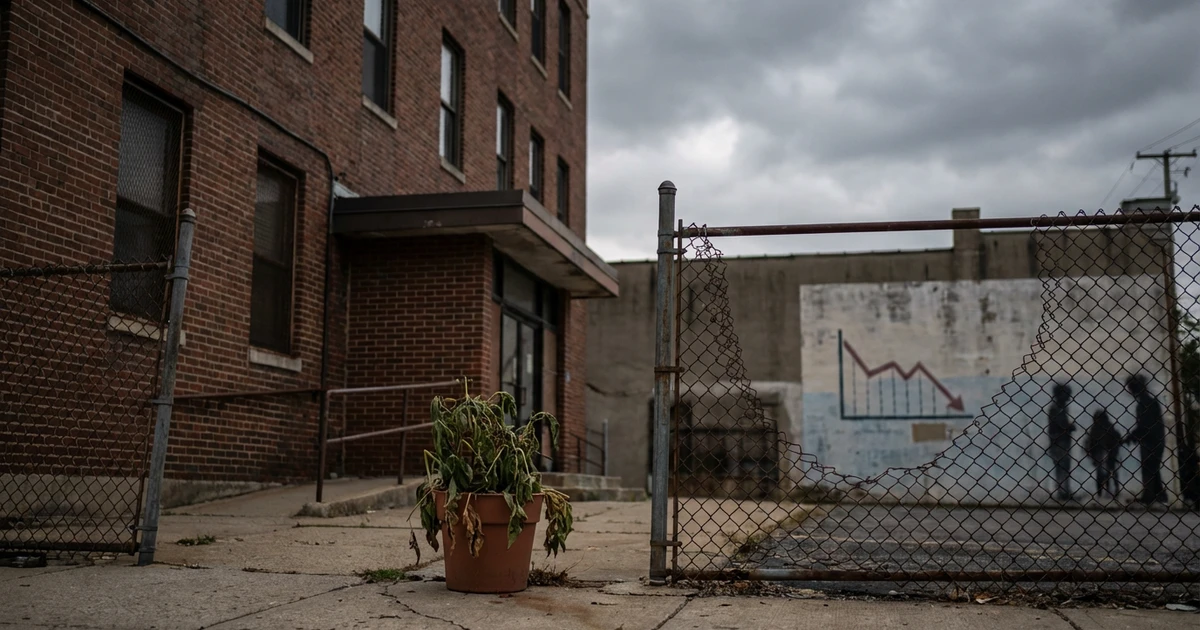
Groundbreaking research has brought fresh urgency to the longstanding issue of racial disparities in health outcomes, as new evidence shows how discrimination directly shortens lives in Black communities across the United States. The findings, recently reported by The Washington Post, have reignited conversations about the pervasive effects of systemic racism, particularly its role in diminishing life expectancy for millions of Black Americans.
The Link Between Discrimination and Health Outcomes
Decades of studies have demonstrated that chronic exposure to discrimination and racism can elevate stress levels, which in turn increases the risk of developing serious health conditions such as hypertension, heart disease, diabetes, and mental health disorders. The latest evidence underscores that these stressors are not just abstract or emotional burdens—they have measurable, life-shortening consequences.
- Black Americans consistently experience higher mortality rates from preventable diseases compared to other racial groups.
- Communities subjected to persistent discrimination report higher incidences of chronic illnesses and lower access to quality healthcare.
Researchers have identified a direct correlation between the cumulative effects of discrimination and reduced life expectancy, indicating that the impact extends beyond individual cases and affects entire communities.
Structural Inequities Compound Health Risks
Systemic factors—including disparities in access to healthcare, unequal educational and employment opportunities, and segregated housing patterns—continue to exacerbate health risks for Black Americans. These structural inequities mean that many individuals face compounded barriers to living healthy, long lives. As highlighted in the recent report, such factors are not isolated; rather, they reinforce one another and magnify the risk of premature death.
- Poverty rates remain higher among Black families, contributing to food insecurity and limited access to preventive care.
- Environmental hazards, such as poor air quality and lack of green spaces, are disproportionately concentrated in predominantly Black neighborhoods.
Urgency for Policy Change and Community Action
The new evidence has prompted calls for targeted policy interventions to address systemic discrimination and close the life expectancy gap. Experts suggest that expanding access to quality healthcare, investing in community health initiatives, and implementing policies that reduce economic and social inequality are critical steps toward making a measurable difference.
Additionally, public health campaigns and local advocacy groups continue to raise awareness about the need for culturally competent care, mental health resources, and equitable distribution of health-promoting infrastructure.
Looking Forward: Toward Health Equity
As the nation grapples with these findings, the conversation is increasingly focused on actionable solutions that can reverse the trend and ensure that all communities—regardless of race—have the opportunity to thrive. The evidence underscores that addressing discrimination is not only a moral imperative but a public health necessity.
For further information and ongoing coverage, readers can visit The Washington Post’s health section.
The data is clear: The fight for health equity in America hinges on confronting and dismantling the roots of systemic discrimination, ensuring that Black communities are no longer burdened with the hidden costs of injustice.