Science
New Fruit Wash Promises Cleaner, Longer-Lasting Produce
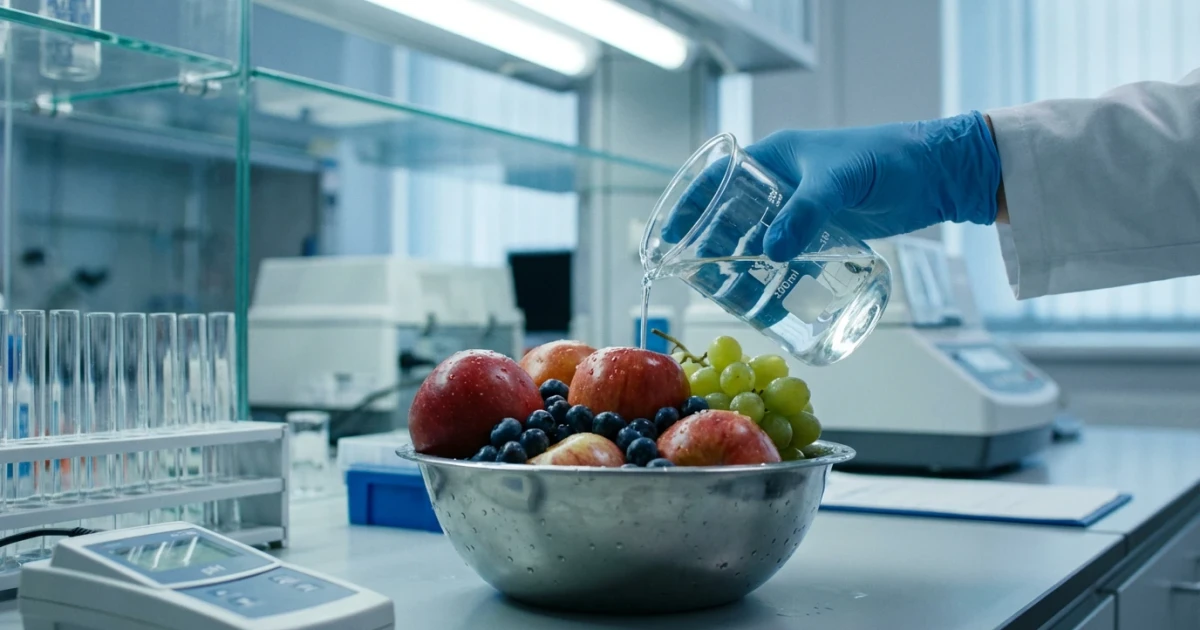
A team of researchers has developed a new fruit wash designed to remove pesticide residues and significantly extend the shelf life of fresh produce, according to reporting from Phys.org. This innovation could address two persistent challenges in the global food supply: the presence of pesticide residues on fruits and vegetables, and the substantial losses from spoilage during transport and storage.
Addressing Pesticide Residues on Produce
Pesticide residues are a well-documented concern for consumers and regulators worldwide. Both the European Food Safety Authority (EFSA) and the U.S. Food and Drug Administration (FDA) conduct regular monitoring and publish data on residue levels in the food supply. While most fruits and vegetables meet regulatory standards, trace amounts of pesticides can still remain after conventional washing and handling, leading many consumers to seek more effective cleaning methods.
Research has shown that certain home washing techniques, such as soaking in baking soda solutions or using specialty washes, can help reduce but not always eliminate residues. A comparative study published in the ACS Journal of Agricultural and Food Chemistry found that the effectiveness of washing methods varies by pesticide type and produce surface, highlighting the need for improved solutions.
Extending Shelf Life to Reduce Food Waste
Beyond safety, the new fruit wash also aims to tackle the issue of postharvest losses—a significant contributor to food waste. According to the USDA Food Availability Data System, a substantial portion of fruits and vegetables are lost between harvest and consumption, often due to spoilage or inadequate preservation methods. This not only impacts food security but also has environmental and economic consequences.
Peer-reviewed reviews, such as one in the National Center for Biotechnology Information (NCBI), note that postharvest treatments—including edible coatings, modified atmosphere packaging, and antimicrobial washes—can extend shelf life and maintain product quality. The newly developed fruit wash fits into this category, with the added benefit of targeting both contaminants and spoilage at once.
How the New Fruit Wash Works
While specific formulation details have not been fully disclosed, the Phys.org report indicates that the wash uses a combination of natural and food-safe ingredients to break down and remove surface pesticide residues more effectively than water alone. By also creating a protective barrier, the wash slows microbial growth and oxidation, which are primary causes of spoilage in perishable produce.
This dual-action approach could offer a practical solution for both consumers and the food industry, reducing reliance on chemical preservatives while delivering safer, longer-lasting fruits and vegetables.
Consumer Guidance and Safety Implications
The Centers for Disease Control and Prevention (CDC) recommend that consumers wash all fruits and vegetables under running water to minimize contaminants. However, as studies and regulatory agencies have observed, standard washing practices are not always sufficient to remove all pesticide residues. Enhanced washes, like the one described in the new research, may help fill this gap, particularly for high-risk produce or in regions with less stringent residue regulations.
- Regulatory monitoring by EFSA and FDA shows most produce meets standards, but trace residues persist.
- Food waste from produce spoilage remains a significant problem, with millions of tons lost annually, according to USDA data.
- Washing methods have variable effectiveness; new innovations are needed for better results.
Looking Ahead
Experts suggest that widespread adoption of advanced fruit washes could have a positive impact on both food safety and sustainability. As more details on the new wash’s composition and efficacy become available, researchers and regulatory agencies will likely evaluate its potential for commercial use and consumer adoption. If proven effective, this innovation could become a valuable tool in the effort to deliver cleaner, safer, and longer-lasting fresh produce to tables worldwide.