Science
New Heron-Like Dinosaur Unearthed in Patagonia
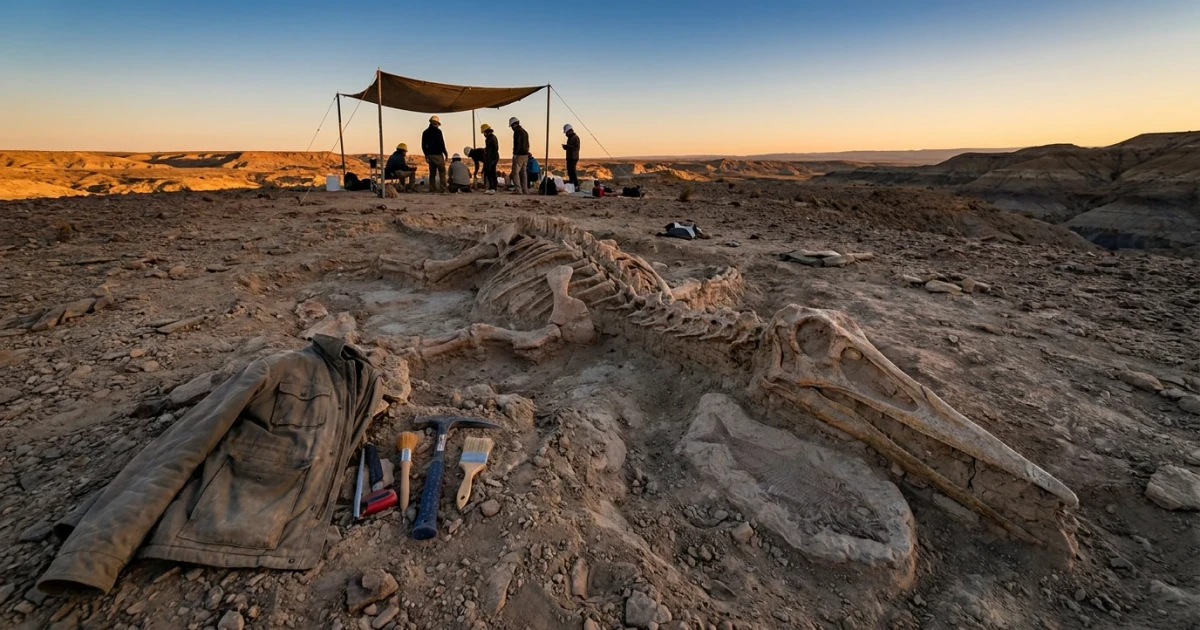
Paleontologists in Argentina have uncovered the fossilized remains of a heron-like, fish-eating dinosaur dating back approximately 70 million years, offering fresh insights into the diversity and ecological adaptations of theropod dinosaurs during the Late Cretaceous period.
Discovery in Patagonia
The newly identified dinosaur was excavated from the Upper Cretaceous rock formations of Patagonia, a region renowned for its rich fossil record. The research, detailed in a recent Nature study, describes a small-bodied theropod with striking anatomical similarities to modern herons, including a slender, elongated neck and jaws suited for capturing aquatic prey. This unique morphology points to a highly specialized, fish-eating lifestyle rarely seen among its relatives.
Noasauridae: Expanding the Family Tree
This dinosaur is part of the Noasauridae family, a group of small to medium-sized abelisauroid theropods known for their diverse adaptations and widespread distribution across Gondwana. Previous discoveries in South America, Africa, and Madagascar have shown that noasaurids occupied a variety of ecological niches. According to the Global Biodiversity Information Facility, noasaurid fossils have been found in multiple localities throughout Argentina, highlighting their evolutionary success in this region.
- Distinctive features: The dinosaur's elongated snout and neck, combined with evidence of a lightweight, agile frame, suggest adaptations for wading in shallow waters and swiftly catching fish—an ecological role similar to that of modern herons.
- Dietary evidence: Analysis of jaw and tooth structures, as published in the peer-reviewed research, supports the interpretation of a piscivorous (fish-eating) diet.
- Fossil context: The remains were found alongside ancient riverbed sediments, reinforcing the aquatic connection.
Implications for Dinosaur Evolution
According to a recent review of South American noasaurids, this new find adds to the growing evidence that abelisauroid theropods were far more ecologically diverse than previously understood. While most noasaurids are characterized by their terrestrial habits, the heron-like dinosaur represents a rare example of aquatic specialization within the group. Comparative analysis with Noasaurus, a close relative, reveals both shared skeletal traits and significant differences in skull and neck morphology, underscoring rapid evolutionary experimentation during the Late Cretaceous.
Research and Preservation
The discovery was made possible by collaborative efforts between local field teams and the Museo Paleontológico Egidio Feruglio, which houses Patagonia's most extensive paleontological collections. The new specimen will be catalogued and displayed as part of ongoing research into the region's prehistoric biodiversity.
Why It Matters
This Argentine fossil find not only expands our understanding of noasaurid diversity but also illustrates how dinosaurs adapted to fill a range of ecological roles, including those rarely associated with predatory theropods. The heron-like dinosaur's unique adaptations for fish-eating reflect a complex and dynamic Late Cretaceous ecosystem, inviting further exploration into how environmental factors shaped dinosaur evolution in Gondwana.
With each new discovery, paleontologists continue to rewrite the story of dinosaur evolution, demonstrating the remarkable versatility and adaptability of these ancient reptiles.