Health
New HIV study suggests virus hides in more T cells
A JAMA Medical News story by Jennifer Abbasi said HIV may hide in more types of T cells than scientists had thought, a shift that could enlarge the viral reservoir researchers have been trying to map. Published July 2, 2026, the piece treated the finding as a change in cure science, not evidence that a cure is close.
That distinction matters because antiretroviral therapy can suppress HIV so effectively that the virus becomes undetectable in blood, yet it cannot eliminate every infected cell that has gone quiet inside the body. Those lingering cells make treatment lifelong and keep a true cure out of reach.
The new concern is that the reservoir may be broader than assumed. A study in Science Translational Medicine found that CD8+ T cells constitute a previously overlooked component of the HIV-1 reservoir, adding to the idea that HIV can persist in more cellular hideouts than earlier models captured. If that is correct, scientists may have to rethink which immune cells they target, how they measure latency and which tissues they sample in future studies.
The reservoir question is now central to cure research because HIV’s survival depends less on active replication than on its ability to stay silent inside the body, evading both immune clearance and the drugs that hold viral load down. That silence is what makes cure efforts so difficult: researchers are not just trying to kill the virus, but to find every place it can sit dormant.
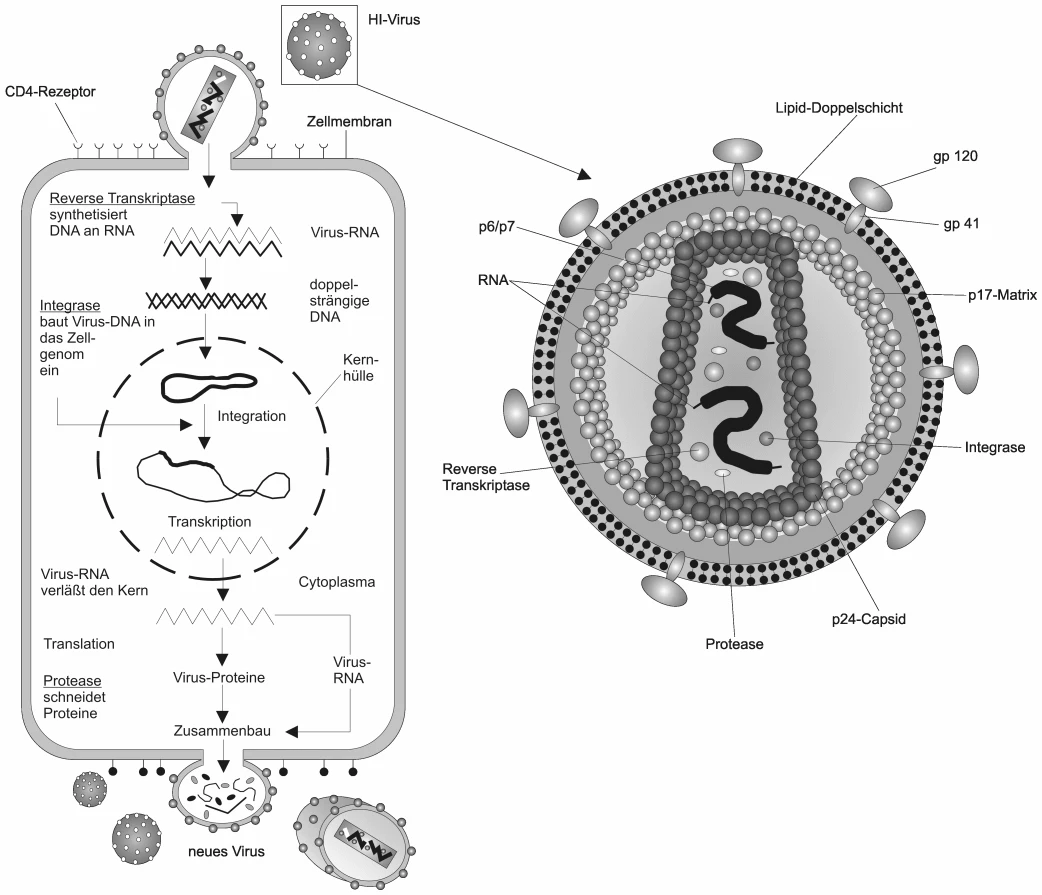
Recent 2026 work has pushed in the same direction. A review indexed in PubMed described HIV as persisting in diverse tissue reservoirs, including lymph nodes, intestinal mucosa and the central nervous system, despite effective antiretroviral therapy. Another review focused on lymphoid tissue reservoirs called them a major obstacle to achieving an HIV cure.
Taken together, the studies point to a more heterogeneous reservoir than many early cure models assumed. That has practical consequences for biomarker development, because scientists need markers that can identify infected cells across tissues and cell types, and for clinical trial design, which depends on knowing where dormant virus may be hiding before testing strategies intended to wake it up and clear it.
The immediate implication is not a breakthrough therapy. It is a reset in the field’s basic map of persistence, and a reminder that progress in HIV cure science still depends on locating every last place the virus can disappear.