Sports
New Home Run Derby format puts Harper and Schwarber in spotlight
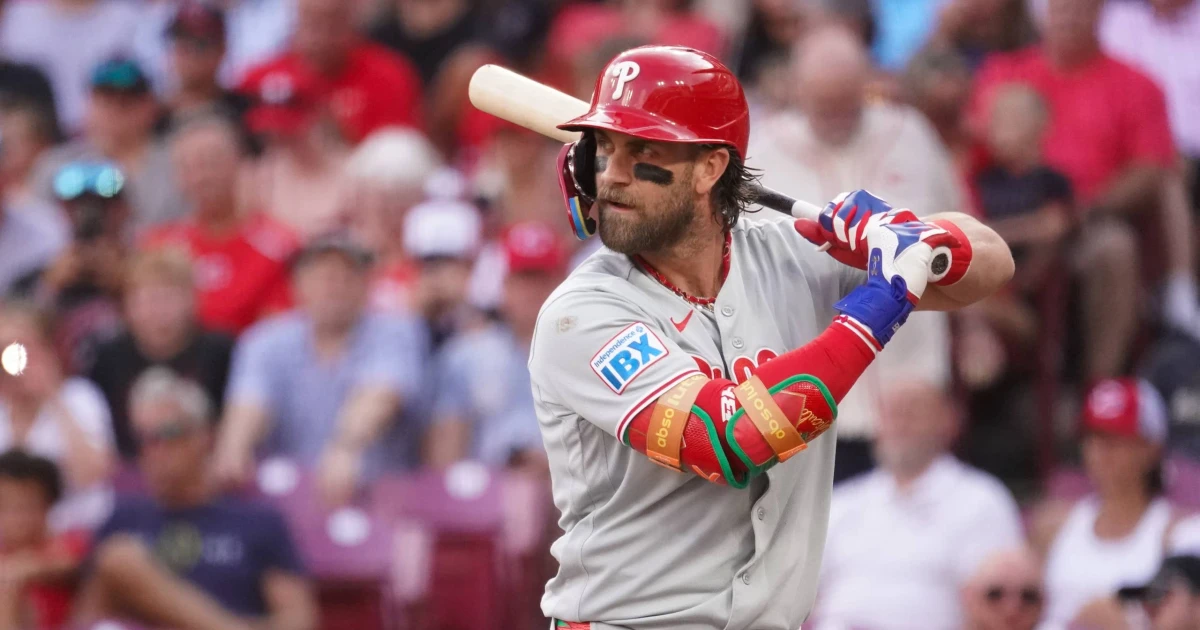
MLB has stripped the Home Run Derby down to its purest test: 20 swings in the first round, then 15 swings in each of the next two rounds, with no clock to game and no bonus rounds to rescue a cold stretch. That shift puts Bryce Harper and Kyle Schwarber in front of a partisan crowd at Citizens Bank Park on Monday, July 13, 2026, at 8 p.m. ET, but the format change also changes the kind of hitter most likely to thrive.
What the new Derby rewards
The 2026 event is no longer a race against time. MLB ended the timer that governed the Derby since 2015 and replaced it with a swing-based structure that asks hitters to maximize damage on a fixed number of cuts. There is no first-round bracket, no timeout, and no bonus round, so every swing matters more than it did in the old format.
That matters because the new setup shifts value toward pace, launch consistency, and stamina. A hitter no longer has to spend energy managing the clock, but he does have to keep producing hard contact across 20 swings, then 15, then 15 more if he advances. The last-swing rule adds a small twist: if a player homers on the final swing of a round, he keeps going until he makes an out.
Why Harper and Schwarber are the night’s loudest names
The Derby field lands in Philadelphia with a built-in storyline. Harper and Schwarber, both Phillies stars, are entering in front of their home fans at Citizens Bank Park, and MLB said each is making a third career Derby appearance. That gives the event a local pulse that a neutral site cannot match, especially with the show set to stream live on Netflix for the first time.
Schwarber brings the more obvious recent power case. He has hit 219 home runs since 2022, trailing only Aaron Judge’s 227 over that span, a figure that places him among the most reliable game power bats in the sport. Harper does not need a statistical proof sheet to command attention in Philadelphia, but the setting amplifies both players because the crowd will be built to react to every long drive to right or left.
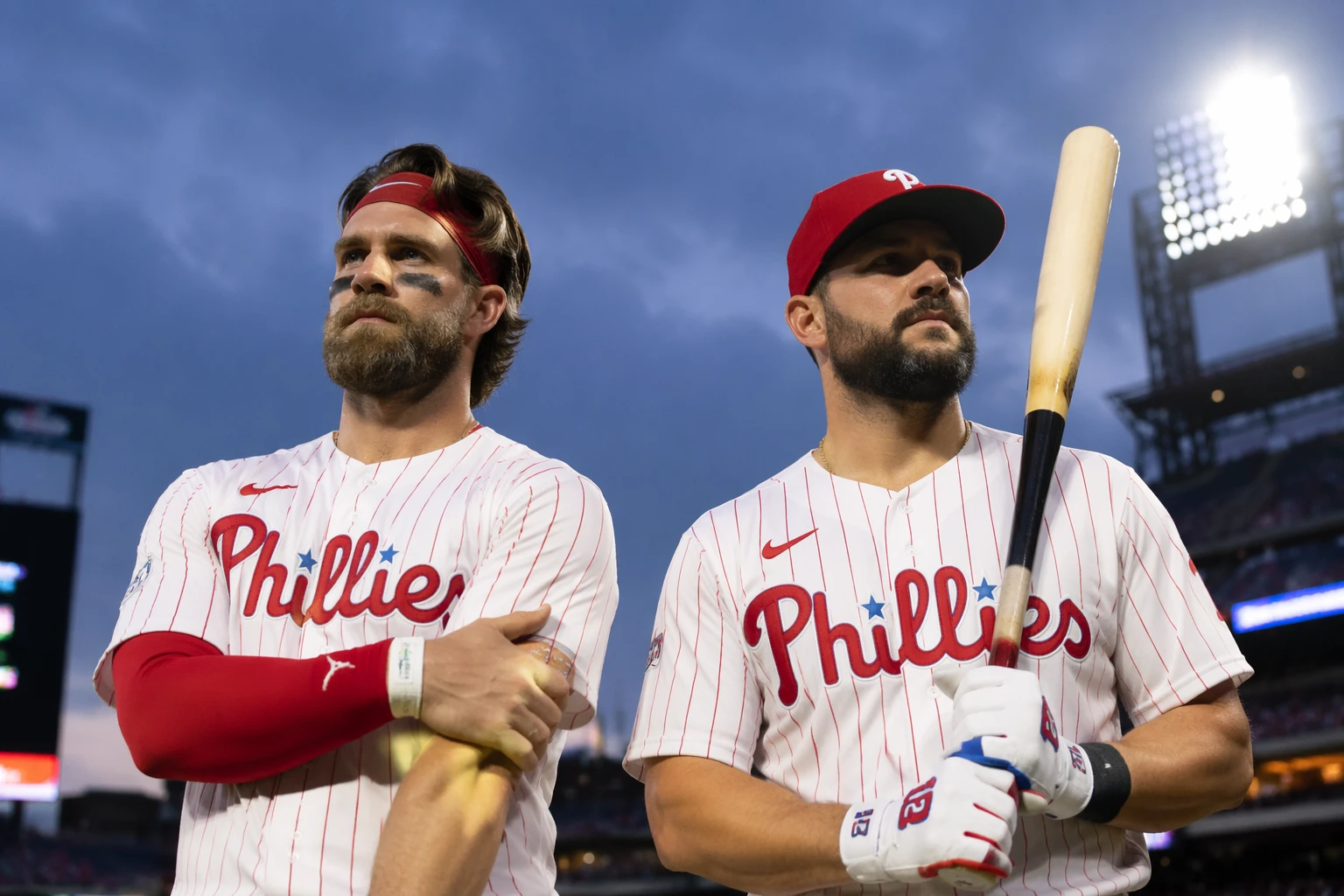
The home-park angle also matters strategically. Citizens Bank Park has a reputation for playing loud and live in summer, and the Derby’s swing-count format reduces some of the randomness that can come from a clock-driven sprint. In a setting like that, the best showcase is not just raw power, but repeatable power that can survive round after round.
The player profile the new rules favor
If the new format is a test of efficient power, Junior Caminero fits the blueprint most cleanly. Baseball Savant lists his 2026 average exit velocity at 93.2 mph, his barrel rate at 13.6 percent, and his bat speed percentile at 100 with a 79.9 mph bat speed figure. Those are the traits that translate directly to a fixed-swing event: a hitter who can generate elite bat speed without needing extra pitches to find a rhythm has more room to stay dangerous over a short, finite set of swings.
Caminero also has the kind of raw burst that plays well in a Derby environment. Recent regular-season swings produced a 437-foot homer at 111.3 mph and another at 422 feet and 110.4 mph, evidence that his contact quality can travel as well as it flashes. ESPN also noted that he was the first player to commit to the 2026 Derby, which underscored how quickly his power profile became part of the event’s early conversation.
The new format does not guarantee that the biggest bat speed wins, but it does reward hitters who can marry speed to consistency. That is where Caminero’s numbers stand out. A high barrel rate suggests he does not need perfect timing to square the ball, and a 100th-percentile bat speed mark suggests the ceiling on each swing is as high as anyone in the field. Under a system that gives only 20 swings to establish a round, that combination is hard to ignore.
How the rest of the field fits into the picture
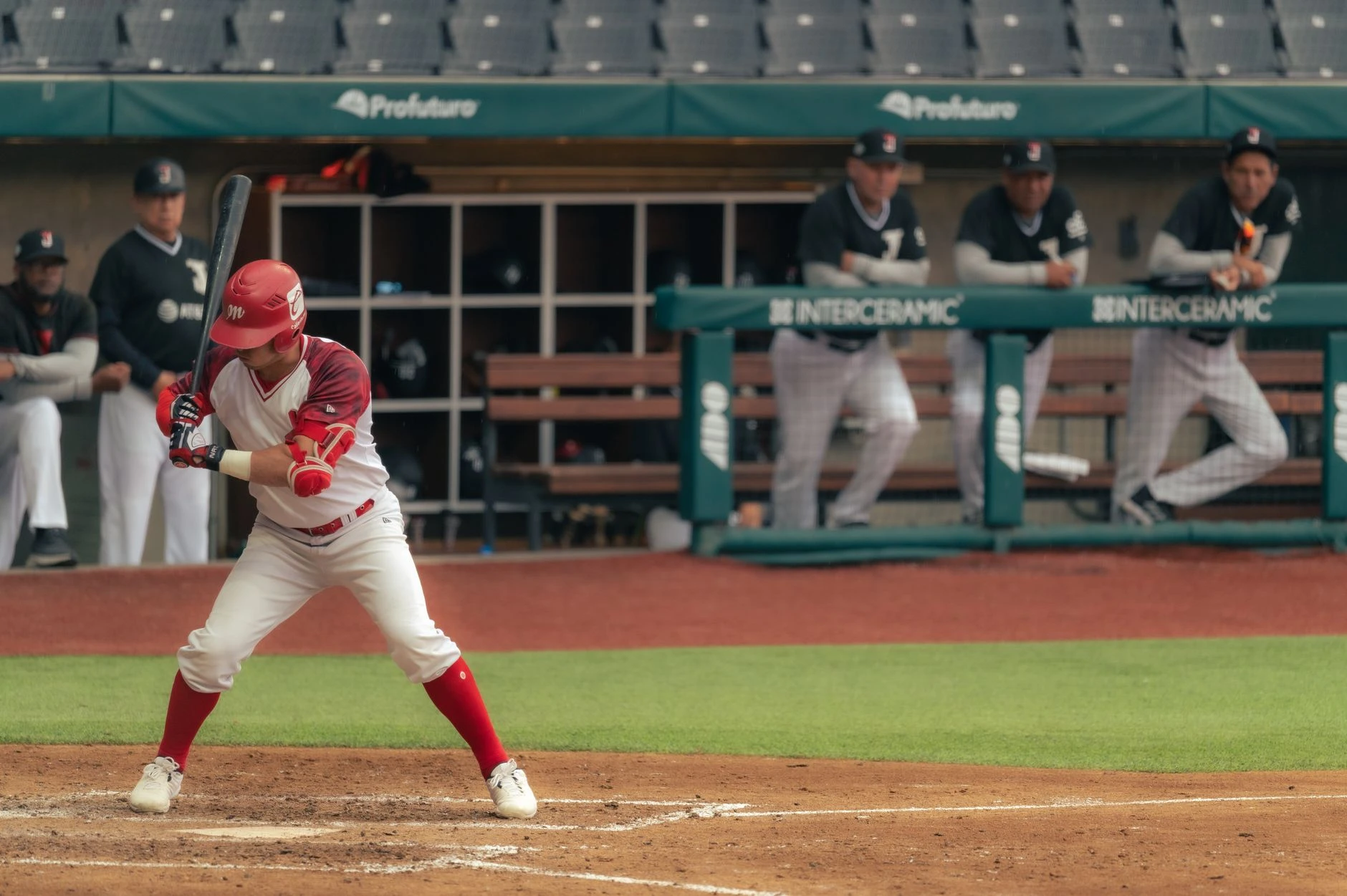
The full eight-man field, announced by MLB on July 10, also includes Munetaka Murakami, Jac Caglianone, Willson Contreras, Ben Rice, and Jordan Walker. That mix gives the Derby a broad power spectrum, from established big leaguers to younger hitters whose production has turned them into event draws. It also makes the swing-count rules more relevant, because the format rewards hitters who can produce immediately rather than those who need a long buildup.
The matchup against the field’s history is also important. The Home Run Derby dates to 1985, and over four decades it has changed formats several times. Pete Alonso, who won titles in 2019 and 2021, is the only active player with multiple Derby championships, which shows how difficult it is to repeat in an event that has always rewarded rhythm as much as brute force.
That history gives the 2026 edition a sharper edge. MLB already tested the appetite for condensed drama in the 2025 All-Star Game, which ended with a first-ever Derby-style swing-off tiebreaker after a 6-6 tie. The move to a swing-based Derby follows the same logic: less dead time, fewer procedural pauses, and more action compressed into a format that asks power hitters to deliver clean contact on demand.
What to watch when the first round starts
The new rules will expose one basic divide quickly. Hitters who can generate immediate lift and keep their swing path consistent will collect homers without burning through their allotment. Hitters who rely on longer build-up or need extra swings to settle in will have less margin for error.
That is why the evening’s spotlight and its best fit do not perfectly overlap. Harper and Schwarber bring the biggest Philadelphia storyline, and their presence at Citizens Bank Park gives the event its most electric backdrop. But the cleanest profile for the new Derby belongs to Caminero, whose exit velocity, barrel rate, and elite bat speed match the swing-count structure MLB has built for 2026.
Sources
- [1]news.google.com
- [2]mlb.com
- [3]espn.com
- [4]baseballsavant.mlb.com