Politics
New Israeli-Palestinian party seeks to reshape election race in Israel
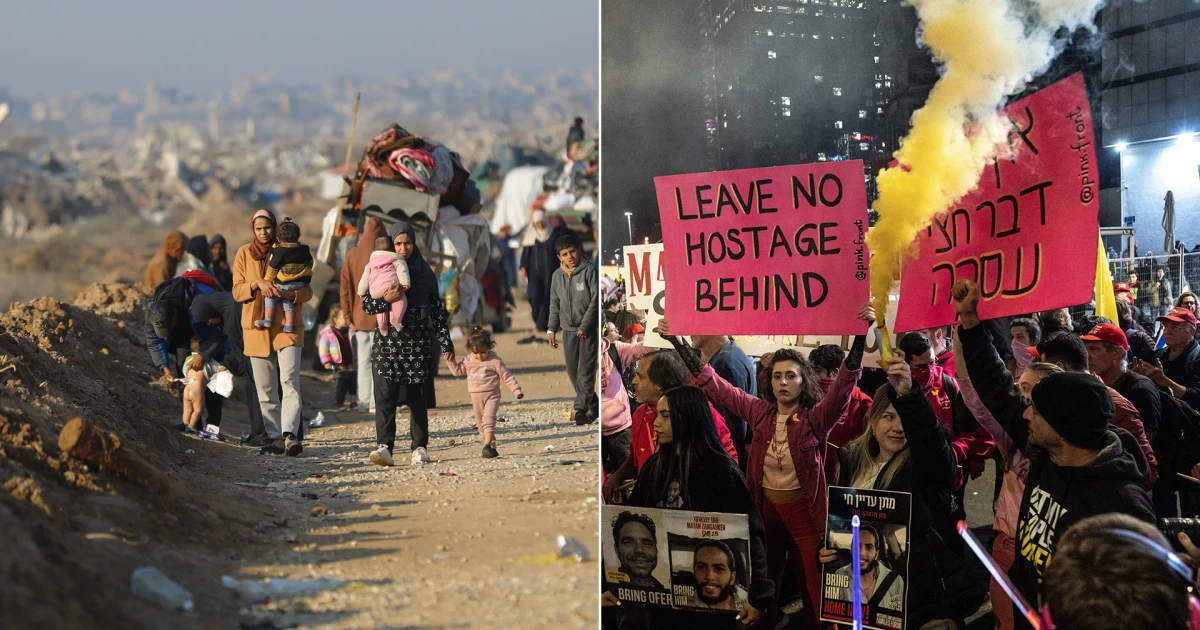
A Place For Us All is trying to turn years of joint Israeli-Palestinian organizing into something Israel’s fractured politics rarely rewards: actual votes. With the next election scheduled for late October 2026 and at least 11 new parties already registered by late October 2025, the question is not whether the party has a story, but whether it can break through a political field still dominated by security, identity and Netanyahu-era polarization.
That challenge is sharper because Israel’s current government came to power in the last week of 2022, then governed through the October 7, 2023 Hamas-led attack and the war in Gaza. The coalition’s weakness was exposed again in summer 2025, when United Torah Judaism left over draft legislation for yeshiva students, briefly stripping Benjamin Netanyahu of a parliamentary majority. In that kind of system, even a small party can matter, but only if it finds a bloc large enough to survive coalition math.
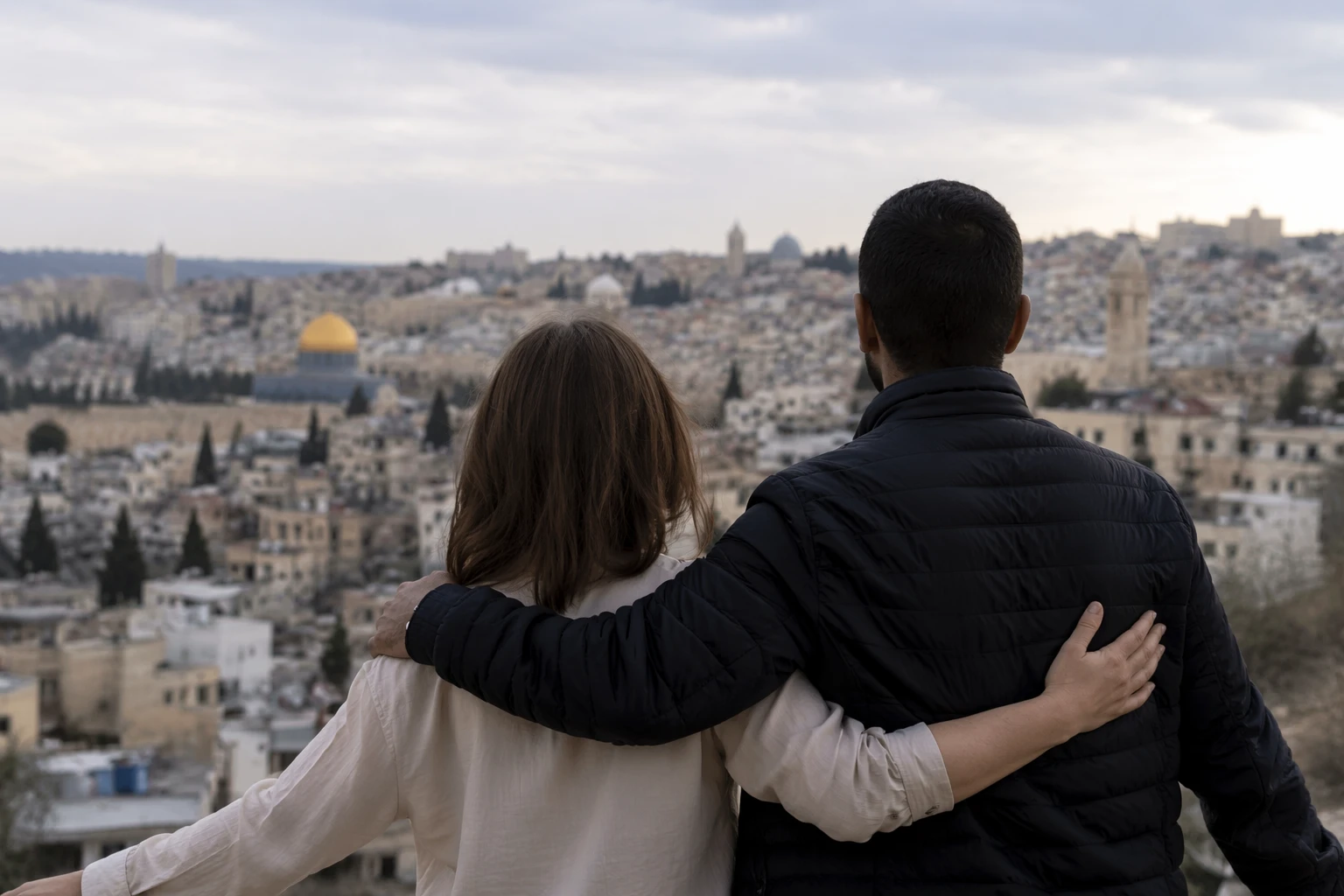
A Place For Us All emerges from a different political current, one built around the daily realities of coexistence rather than grand constitutional visions. That current widened after the war, when about 50 left-wing and Arab-Jewish shared-society groups came together under the Peace Partnership banner and launched a ceasefire campaign in January 2024 in Haifa. About 500 people attended the first rally there, followed by roughly 250 in Tira in February and about 300 in Taybeh on March 9, a sign that some activists saw street politics as a viable counterweight to the national mood.
The party also arrives as commentators have pressed the Israeli center-left on its reluctance to make Palestinian-led partnerships a core strategy. Even the most visible joint-party conversations on the opposition side, involving Naftali Bennett, Yair Lapid and Gadi Eisenkot around a proposed New Israel alliance, have centered on blocking Netanyahu rather than advancing a Palestinian-state agenda. That gap matters: the electorate may reward anti-Netanyahu unity, but it has not shown the same patience for a project that openly treats Jewish-Arab political partnership as the point.
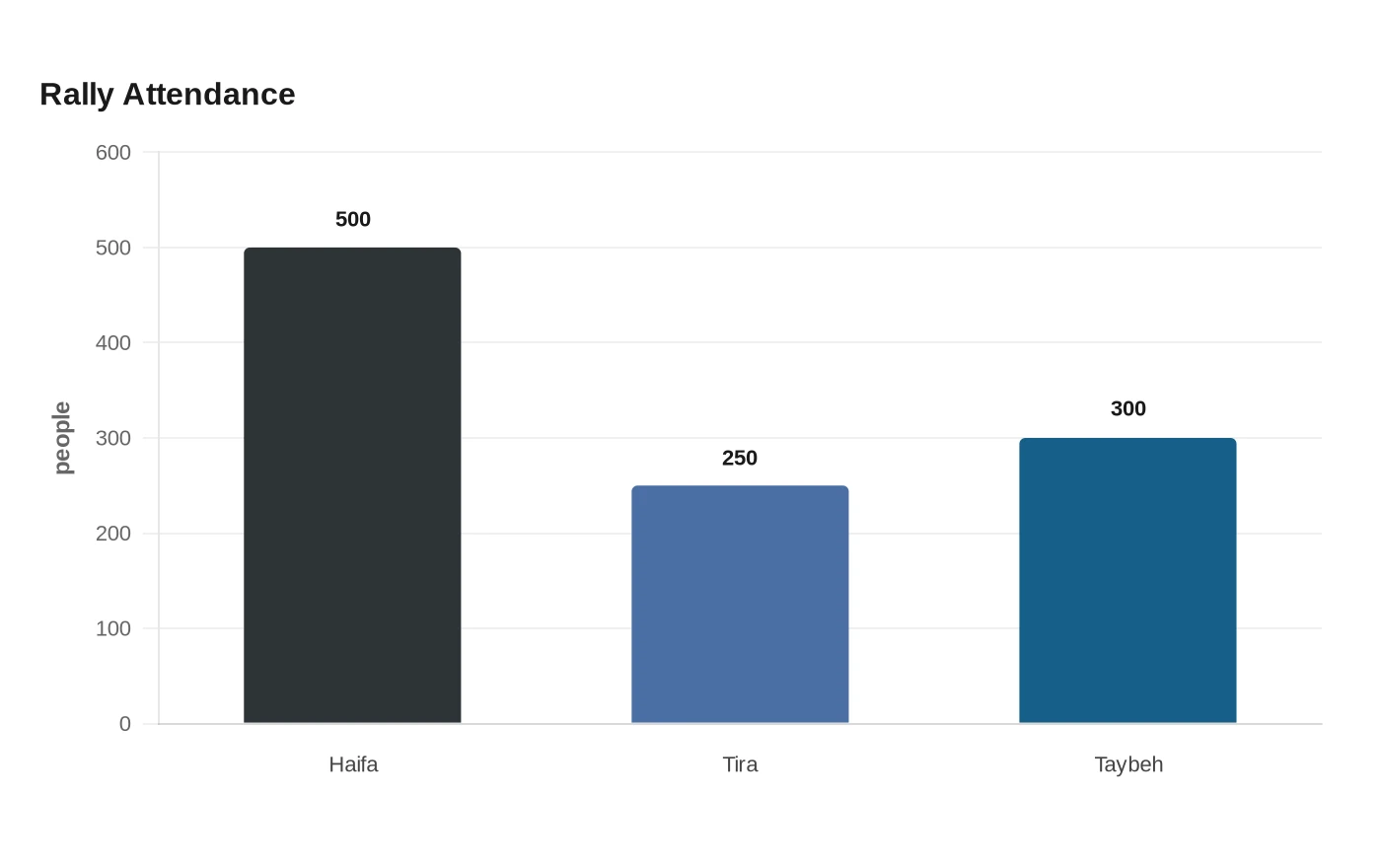
Its most plausible base is likely to come from the same places that filled those early rallies, mixed cities and Arab towns such as Haifa, Tira and Taybeh, along with Jewish voters on the left who want an alternative to the post-October 7 political hardening. But the party will also have to compete with a crowded opposition field, including figures such as Yair Golan, Mansour Abbas and the broader network of Arab-Jewish civic organizing. The test for A Place For Us All is whether coexistence can stop being a civic ideal and become an electoral force in a country where the Palestinian question has been pushed to the margins of mainstream campaigning.
Sources
- [1]nytimes.com
- [2]timesofisrael.com
- [3]972mag.com
- [4]news.stanford.edu