US News
New Jersey man says United flight nearly removed him over protest shirt
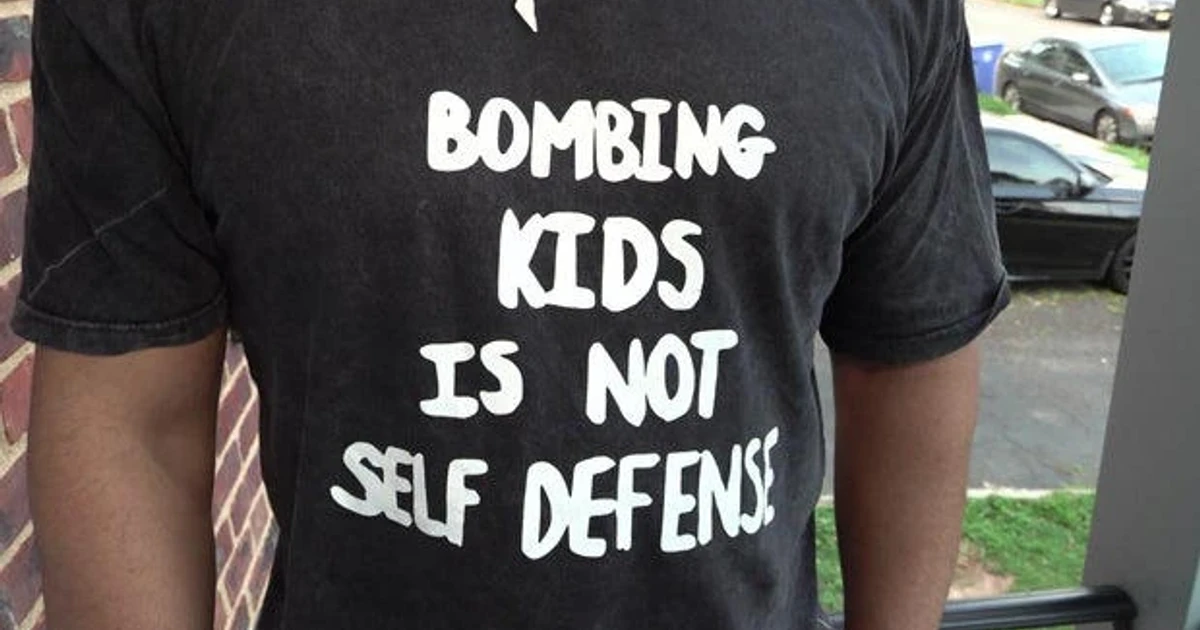
Sam Saadeh says a United Airlines supervisor pulled him aside just after he boarded a June 4 flight from Atlanta to Newark Liberty International Airport and told him, "Either you change your shirt or you can't get on this flight." The Linden, New Jersey man was wearing a T-shirt that said, "Bombing kids is not self defense," a message he said carried deeper meaning because he is of Palestinian descent and wanted to advocate for children.
Saadeh said he felt confused, upset and humiliated before changing shirts so he could travel. He later filed an official complaint with the U.S. Department of Transportation and said he is consulting with lawyers. United responded: "This customer flew as scheduled after changing his shirt."
The clash lands in the gray area airlines create for themselves. United’s Contract of Carriage says the carrier may refuse transport to passengers who are barefoot, not properly clothed, or wearing clothing that is lewd, obscene or offensive. Those words give flight crews and supervisors wide discretion, but they also leave travelers guessing about where advocacy ends and punishable offense begins.
The Department of Transportation says its Office of Aviation Consumer Protection reviews and responds to consumer complaints, and the agency publishes an Air Travel Consumer Report every month. That makes Saadeh’s filing part of a formal federal channel for airline disputes, even as the underlying issue remains the same one that flares again and again on flights: how much expression passengers keep once they step onto the plane.
Saadeh has also pointed to a United Nations report released in June 2026 that said more than 20,000 children had been killed in Gaza, and the Israeli government rejected the findings. His shirt was tied to that war, but the confrontation in the cabin was about airline authority over passenger speech, and how quickly a political message can be treated as a dress-code problem once a traveler is at the gate.
Sources
- [1]cbsnews.com
- [2]united.com
- [3]transportation.gov
- [4]un.org
- [5]news.un.org