Business
New Jersey sues Amazon over delivery drivers’ pay and conditions
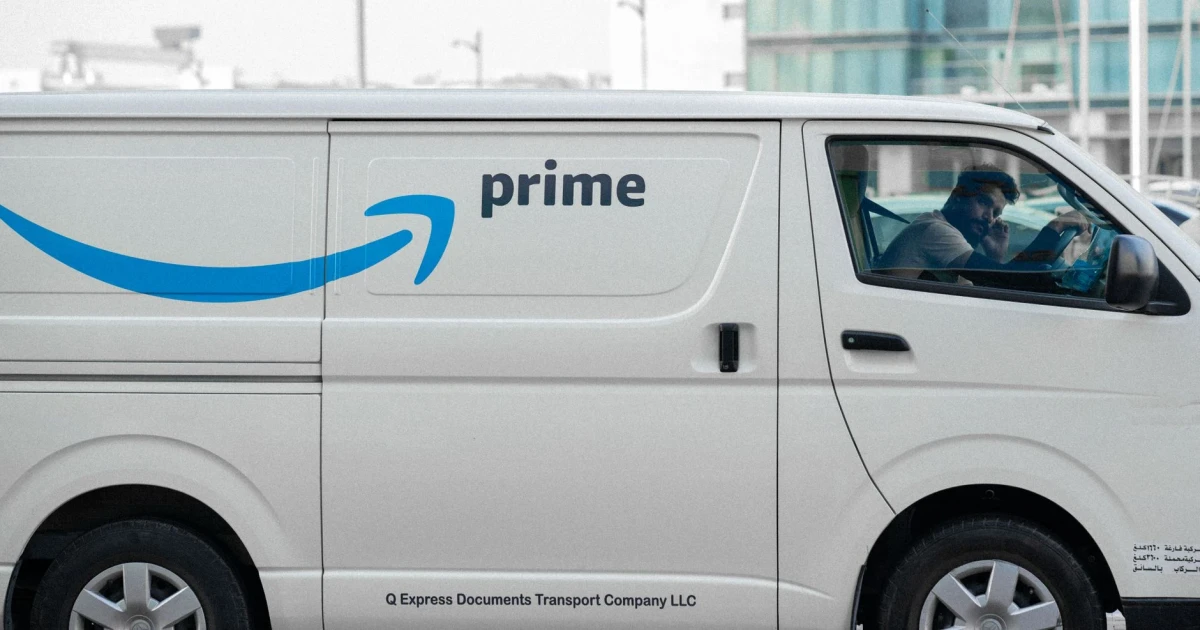
New Jersey sued Amazon on Oct. 20, 2025, accusing the company of using its market power over Amazon Flex to hold down delivery costs and suppress pay for thousands of drivers. Attorney General Matthew J. Platkin and Labor Commissioner Robert Asaro-Angelo said the company relied on its dominance in last-mile delivery to classify drivers as independent contractors instead of employees, shifting costs and risks onto workers while keeping wages low.
The complaint, filed in New Jersey state court under case number ESX-L-008049-25, targets a labor model that has become central to Amazon’s delivery network. By treating Flex drivers as contractors, the state argued, Amazon could avoid payroll costs and labor protections that come with employee status while still controlling the flow of deliveries. That theory matters well beyond one company: if it holds, states could try to use antitrust law to challenge how dominant employers structure pay, not just how they set prices for customers.
Amazon rejected the case, saying New Jersey was wrong on the facts and the law. The company has long defended Flex as a flexible way to move packages, but the state’s filing put the focus on the economics of the work itself: route volume, contractor expenses, and the leverage a dominant platform can exert over workers who depend on it for deliveries.
The lawsuit lands against a broader record of conflict over Amazon driver pay. In February 2021, the Federal Trade Commission said Amazon would pay $61.7 million to settle charges that it had withheld some customer tips from Amazon Flex drivers. In September 2023, Amazon also said it planned higher pay for contracted delivery partners, a sign that compensation pressure inside its delivery system had already become a public issue.
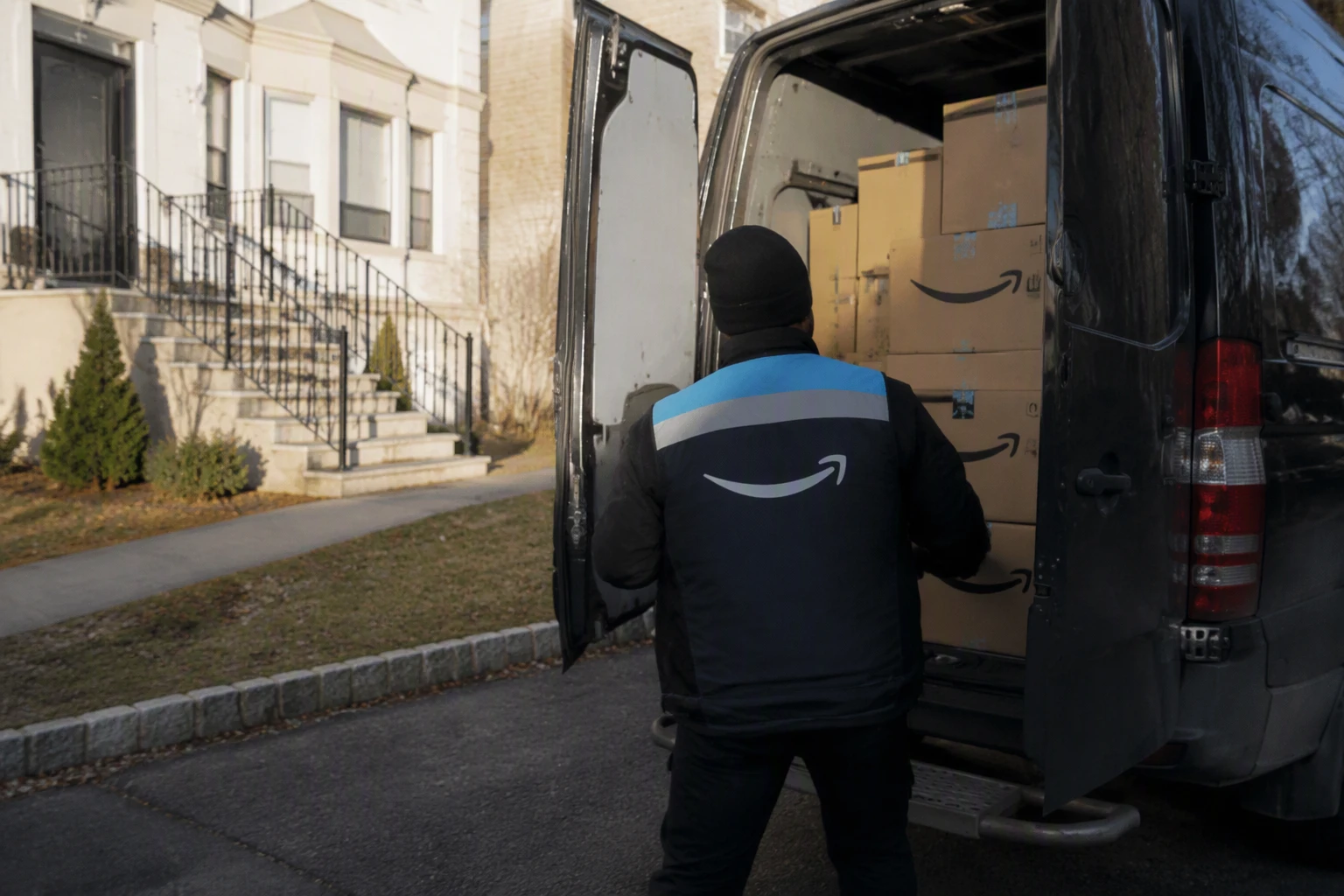
Labor advocates have argued for years that Amazon Flex sits inside a wider model built on contingent and subcontracted work. A July 2025 issue brief from the National Employment Law Project said Amazon’s last-mile delivery system relies on that kind of labor, leaving workers exposed to low pay and precarious conditions. New Jersey’s case pushed that argument into court, framing delivery-driver pay as a competition issue, not just a workplace dispute.
The filing was New Jersey’s fourth open lawsuit against Amazon and the first under Gov. Mikie Sherrill’s administration, giving the state a direct test of whether antitrust law can be aimed at a dominant employer’s labor practices as well as its market share.
Sources
- [1]nytimes.com
- [2]nj.gov
- [3]njoag.gov
- [4]njspotlightnews.org
- [5]nj.com
- [6]reuters.com
- [7]cnbc.com
- [8]ftc.gov
- [9]shift.hks.harvard.edu
- [10]nelp.org
- [11]cohenmilstein.com