Health
New Lyme vaccine could test public trust after LYMErix fallout
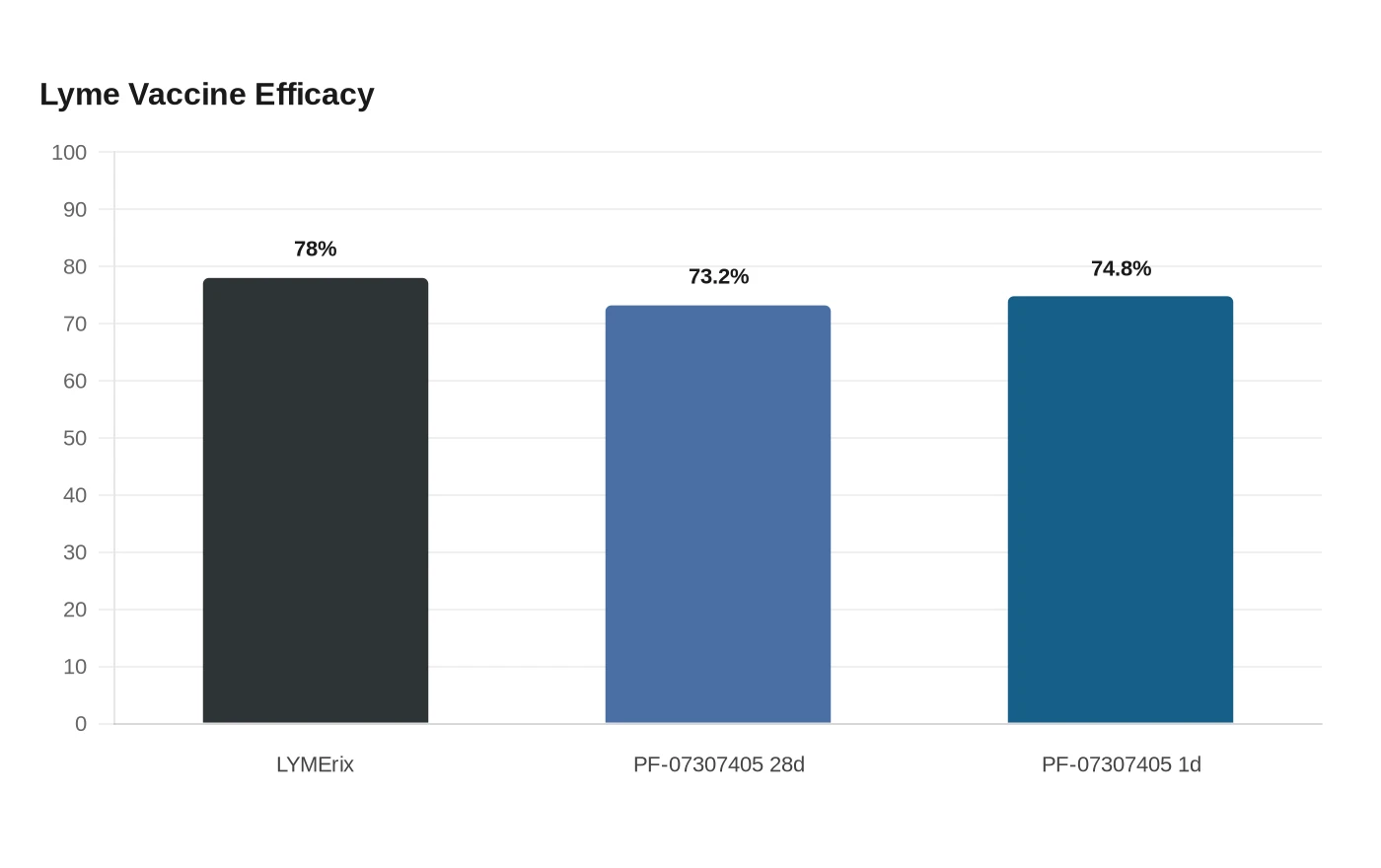
Pfizer and Valneva said on March 23, 2026, that their Lyme vaccine candidate, PF-07307405, reached topline Phase 3 results with 73.2% efficacy from 28 days after dose four and 74.8% from one day after dose four. The companies said the shot was well tolerated, with no safety concerns identified in that analysis, and they plan regulatory submissions for a vaccine that could become the first approved human Lyme shot in more than two decades.
That scientific progress lands in a country where Lyme disease remains a stubborn public health problem. The Centers for Disease Control and Prevention calls it the most common vector-borne disease in the United States and estimates that about 476,000 people are diagnosed and treated each year. CDC reported 62,551 cases in 2022, and its case maps show the disease’s U.S. range has expanded significantly since 1995.
The burden is not spread evenly. About 90% of reported cases come from 15 high-incidence jurisdictions in the Northeast, mid-Atlantic and upper Midwest, the regions where Lyme has become a recurring part of summer health messaging, emergency visits and outdoor risk calculations. For the people who live, work and hunt there, the question is no longer whether tick exposure is real, but whether another vaccine can overcome the distrust that sank the last one.

That history still hangs over the field. LYMErix, the first and only licensed human Lyme vaccine, was approved in 1998 and withdrawn in 2002 after public controversy and lawsuits. It was about 78% effective after the full three-dose series, a protection level that now looks close to the new candidate’s topline readout, but not close enough on its own to guarantee uptake.
Adoption may prove as important as efficacy. Hunters, hikers, anglers and other outdoor recreationists spend long stretches in tick habitat, making them obvious candidates for a preventive shot. They are also the people most likely to weigh added protection against the practical costs of another injection series, booster visits and the fear that a vaccine could bring side effects without matching their own sense of Lyme risk.
Pfizer’s trial, called VALOR, enrolled people age 5 and older and followed them through the Lyme season. The company and Valneva now face a broader test: persuading high-risk communities, especially in the regions that carry most of the nation’s Lyme cases, that this vaccine is worth taking after a generation of skepticism, a publicized failure and a long wait for a second chance.
Sources
- [1]npr.org
- [2]wkyufm.org
- [3]cdc.gov
- [4]historyofvaccines.org
- [5]pfizer.com