Business
New South Wales expands shark drone surveillance after Coogee attack
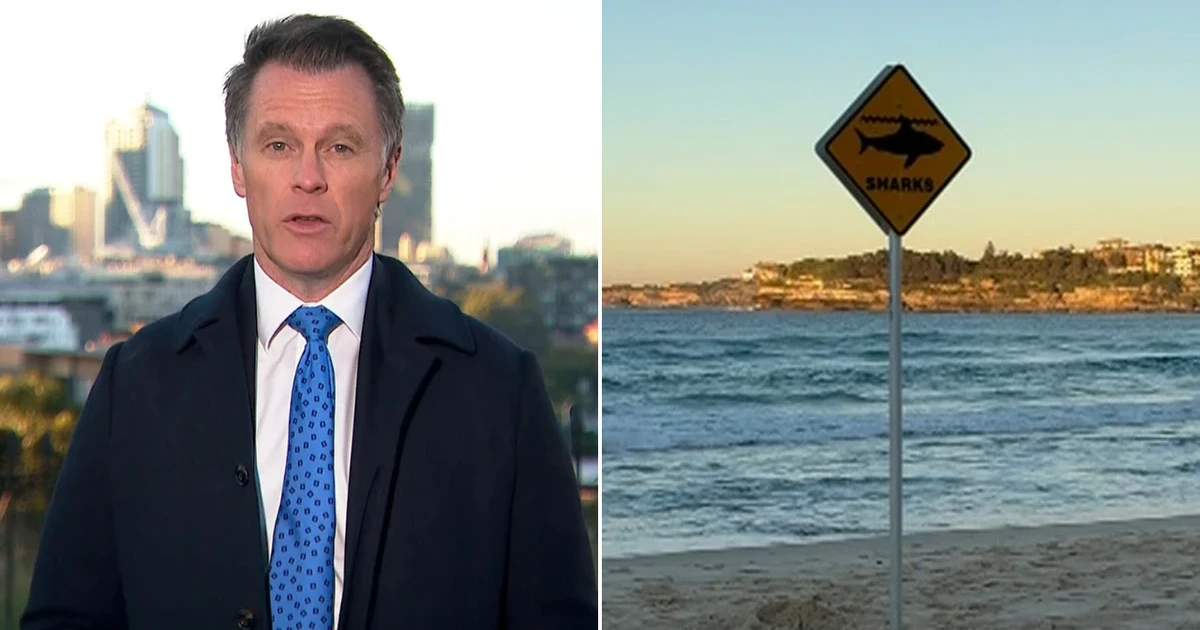
New South Wales expanded its shark-spotting drone program after the Coogee Beach attack, adding A$34 million to a A$120 million shark mitigation effort that will keep year-round surveillance at about 70 beaches. All Sydney beaches came under coverage from July 1, and Surf Life Saving NSW estimates the enlarged network could mean about 500,000 drone flights a year.
Chris Minns: “the largest and most expensive shark-management program of its kind in the world,” as state officials leaned harder on drones, beach patrols and closures after a run of high-profile incidents along the coast. The new program also includes trials of two artificial intelligence shark-detection systems over the coming summer.
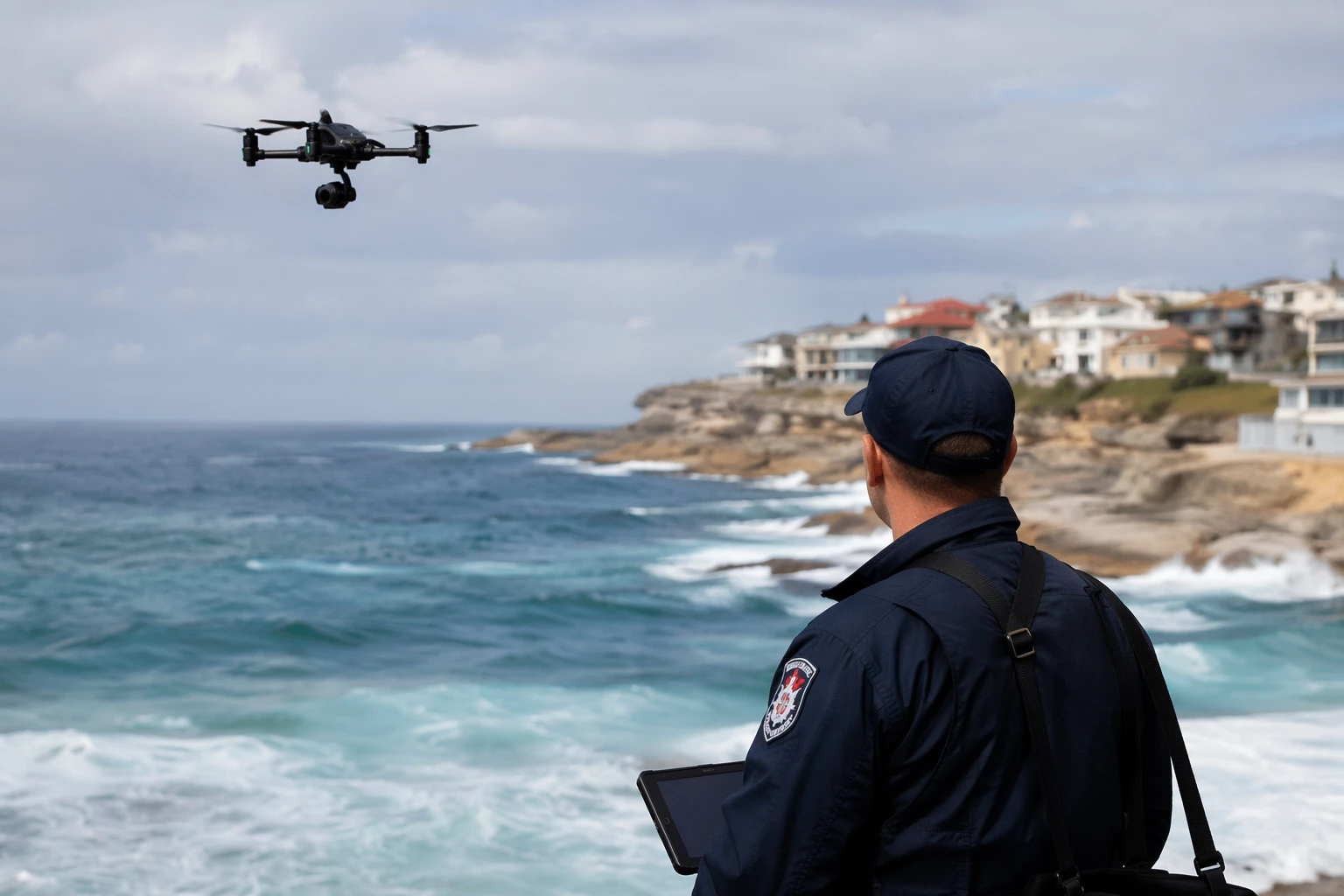
New dawn-to-dusk drone patrols off Sydney’s beaches spotted sharks 73 times in just the first two days, forcing multiple closures. The higher number of detections may reflect better surveillance rather than a sudden surge in shark numbers.
A teenager died in a series of attacks in and around Sydney in January, and in June a woman was bitten by a large great white while swimming between the flags at Coogee Beach. The NSW government has ruled out culling great whites, which are protected, but is considering a bull shark cull as part of its wider response.

Shark-spotter drones improve detection but do not make swimmers invulnerable, and there is no published peer-reviewed research proving that drone surveillance reduces shark bites. In studies at three Queensland beaches, only 4% of drone sightings over four years were bull sharks, with no white sharks or tiger sharks recorded there.