Health
New World screwworm returns to Southwest, veterinarians warn pet owners
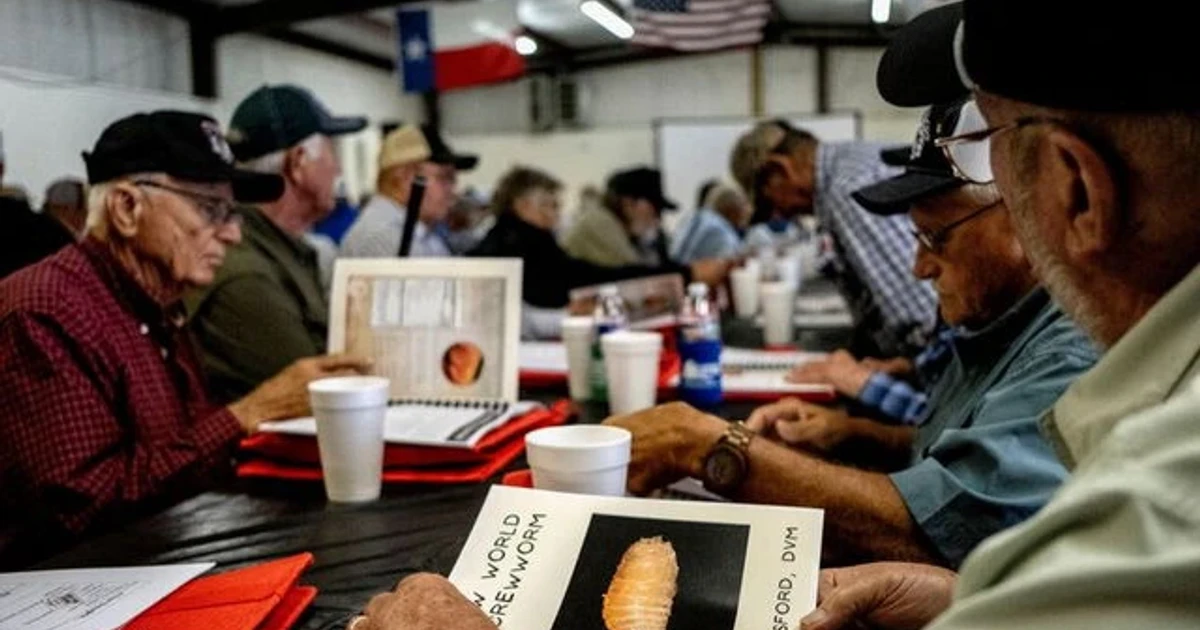
Veterinarians in the U.S. Southwest are warning pet owners to inspect any open wound quickly, because New World screwworm has pushed back into the region for the first time since the 1970s. The parasitic fly lays eggs in wounds and in body openings such as the eyes, ears, nose, mouth and genitals, and the hatched larvae feed on living tissue if they are not removed fast.
The early warning signs are hard to miss once they appear: a wound that swells, oozes pus or refuses to heal, intense licking or chewing, lethargy, loss of appetite and a strong odor of rotting tissue. CDC and USDA also list visible maggots, head shaking and a smell of decay as red flags. Early treatment usually works if owners act quickly, with veterinarians removing the larvae, cleaning the wound and starting antibiotics. Dr. Pancho Hubert of the Texas Veterinary Medical Association said people should “take it into your vet” if anything looks suspicious.
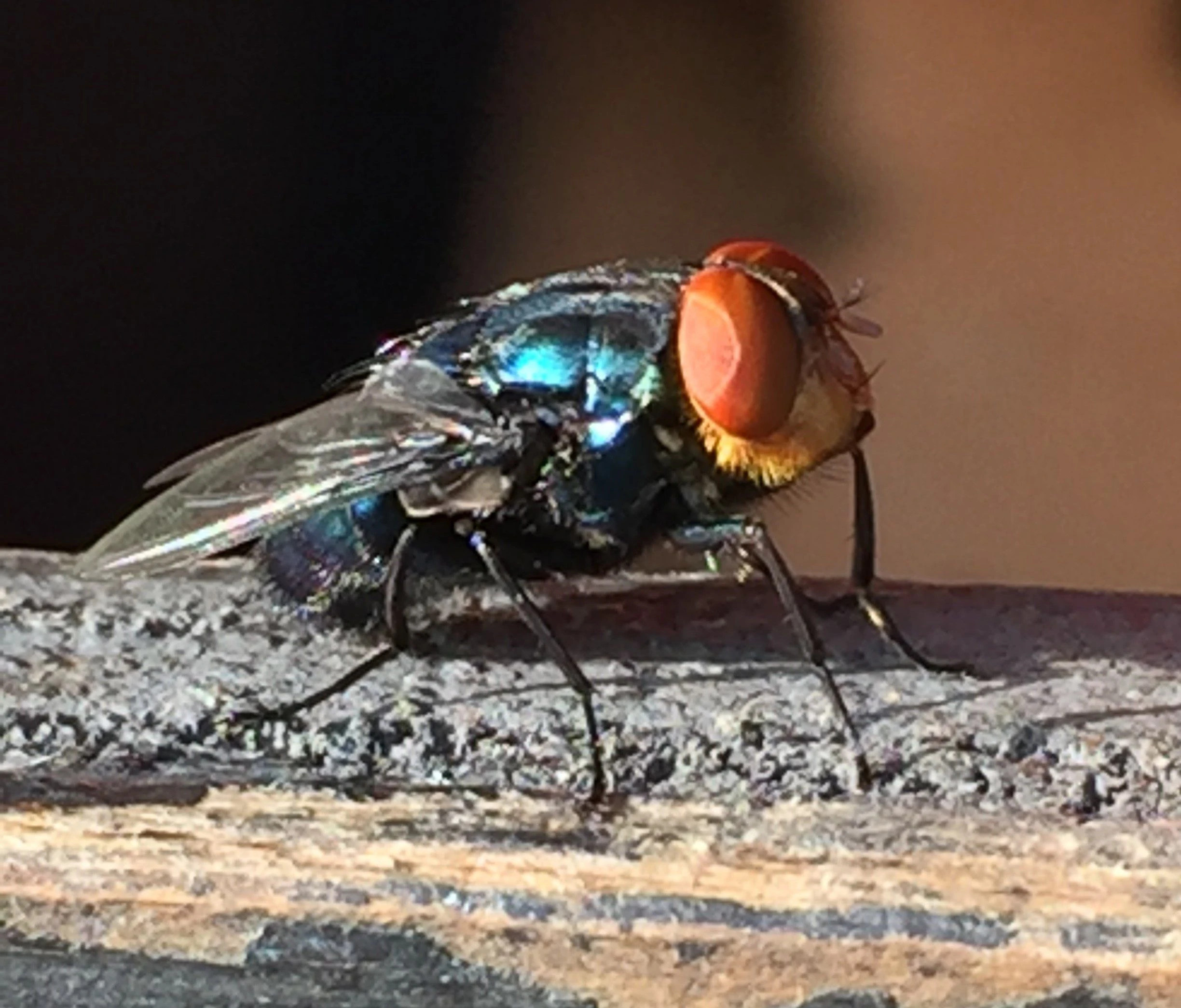
Officials say the threat is not limited to cattle and wildlife. USDA says screwworm can infest livestock, pets, wildlife, occasionally birds and, in rare cases, people. Stray cats and dogs may be especially vulnerable, and veterinarians say suspicious wounds or heavy fly activity should be reported to local animal control before the parasite spreads to household animals. USDA also says pets traveling internationally should be inspected for screwworm, and animals in infested areas should be kept away from procedures that create wounds, including dehorning, branding, shearing, ear notching, tail docking and castration.
The parasite’s return is tied to a northward march that began in 2023 and has moved through every country in Central America and into Mexico. CDC said that as of June 8, Mexico and Central America had reported more than 185,000 cumulative animal cases and more than 2,100 human cases in the outbreak. In the United States, USDA confirmed the first animal case in the current outbreak on June 3 in Texas, then later reclassified a dog reported by a Texas veterinarian to Lea County, New Mexico, making it New Mexico’s first case.

Federal officials are treating the outbreak as a border security and animal-health crisis. USDA says screwworm was eradicated from the United States in 1966 using sterile insect technique, and a small Florida Keys outbreak was eliminated in 2017. Today, USDA and Panama jointly run the only sterile-fly production facility in North America through COPEG, and the agency is expanding output toward about 500 million sterile flies a week. USDA has also opened a New World Screwworm Grand Challenge with up to $100 million in funding, created a dedicated APHIS directorate and closed all southern ports of entry to livestock trade while border surveillance intensifies. CDC says no locally acquired human infestations have been reported in the United States in the current outbreak, and USDA says the food supply remains safe, but the window for catching the parasite early is narrow.
Sources
- [1]usnews.com
- [2]cdc.gov
- [3]aphis.usda.gov
- [4]usaha.org