Politics
New York City budget deal expands housing vouchers and transit discounts
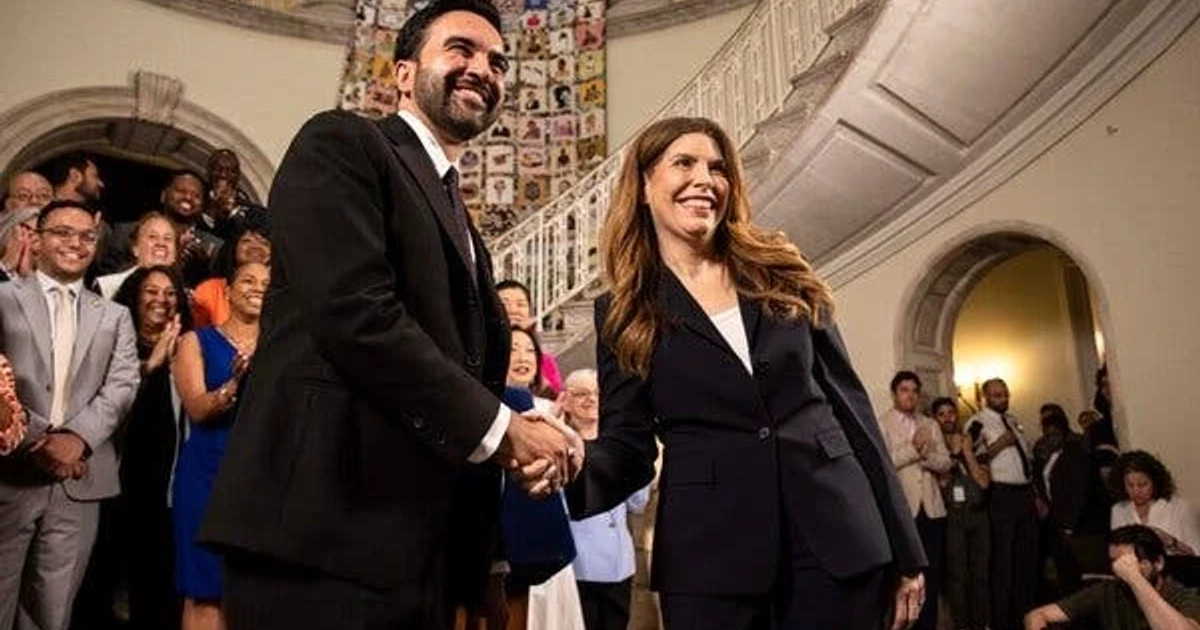
New York City reached a roughly $125.8 billion budget deal just hours before the July 1 deadline, locking in new money for housing vouchers and transit discounts after weeks of tense bargaining. The agreement gave Mayor Zohran Mamdani and City Council Speaker Julie Menin a way to avoid a late standoff, but it also exposed how far progressive promises could stretch once the numbers hit the ledger.
The sharpest fight centered on CityFHEPS, the city’s rental assistance voucher program. Menin had pushed for about $300 million a year, but the compromise spread the expansion across two years, with $175 million in the coming fiscal year and $125 million in the following year. Menin called the housing voucher agreement “transformative,” while the final structure showed the budget’s central tradeoff: less money up front, with part of the increase deferred.
That caution reflected the program’s already steep cost growth. The Citizens Budget Commission said CityFHEPS spending climbed from about $499 million in fiscal year 2023 to a projected $1.7 billion in fiscal year 2026. As of October 2025, the program was serving more than 145,000 people in 64,439 households. Supporters argued that the vouchers keep low-income New Yorkers from falling into shelter or eviction, while fiscal watchdogs warned that the program’s rapid growth could make another large expansion hard to sustain.
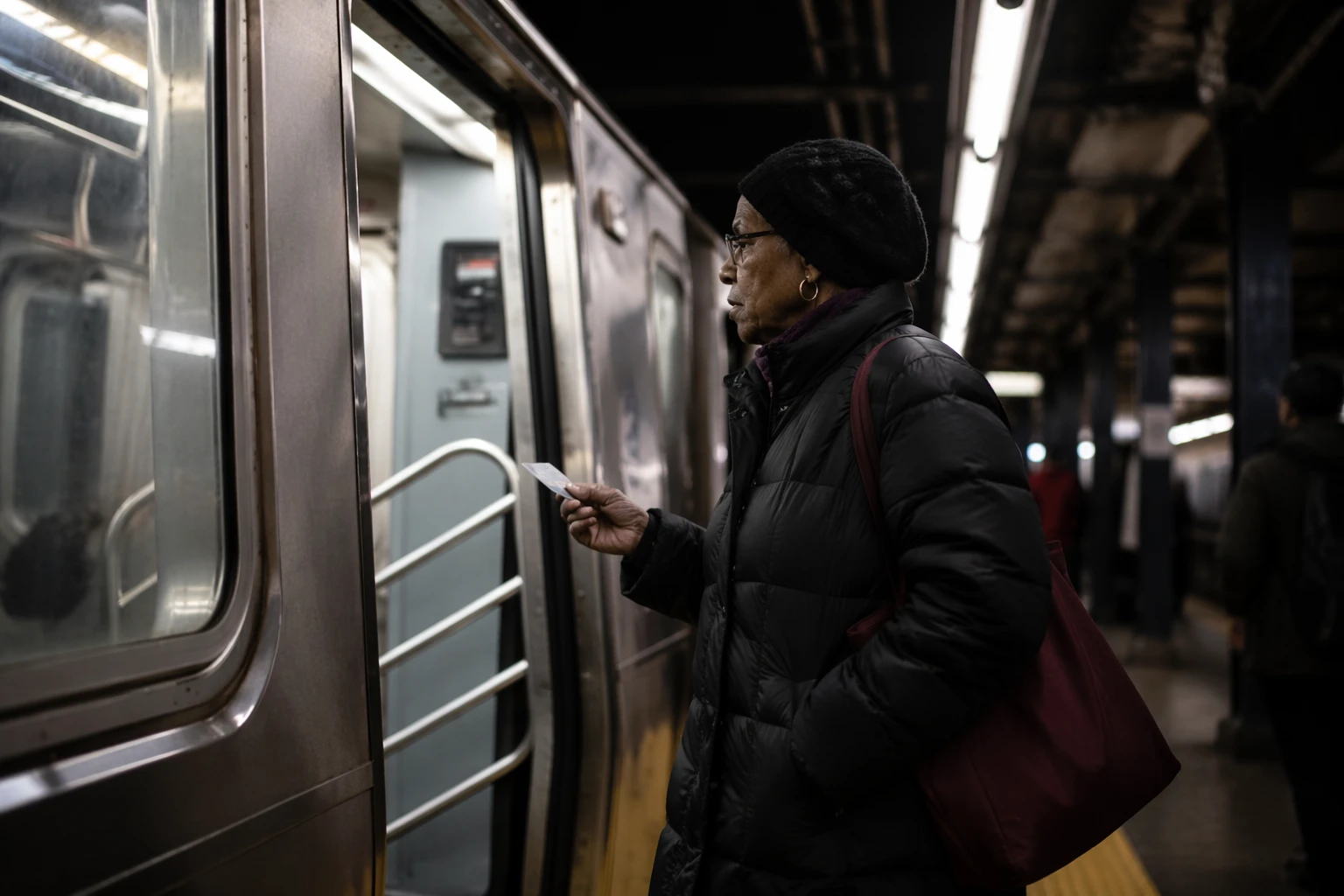
Fair Fares also remained part of the budget fight. The half-price transit program launched in 2019 and had expanded by 2025 to households earning up to 150% of the federal poverty level. Advocates and council members had been pressing for a broader reach, with one proposal circulating that would extend cheaper subway and bus rides to New Yorkers making 250% of the federal poverty level, potentially covering 760,000 people for about $146 million. The final budget kept the program on the affordability agenda, even as the exact scope of the next expansion remained tied to fiscal limits.
For Mamdani, the deal delivered a partial win and a warning. He avoided a budget crisis and advanced two core affordability promises, but the city’s biggest anti-poverty program was funded in stages rather than at the scale some allies wanted. In a budget shaped by housing pressure, transit costs and an expanding safety net, the compromise showed how quickly campaign rhetoric meets fiscal reality at City Hall.
Sources
- [1]nytimes.com
- [2]gothamist.com
- [3]cityandstateny.com
- [4]cbcny.org
- [5]nyc.streetsblog.org