US News
New York City expands heat and cold protections after deadly winter
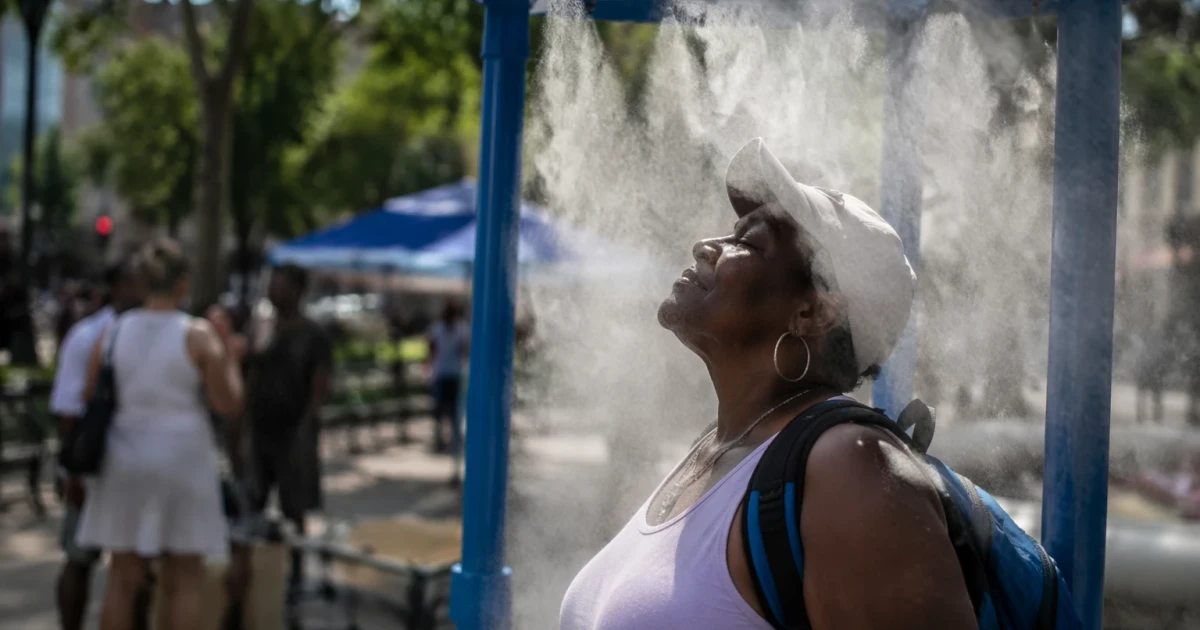
New York City activated an unprecedented Heat Emergency Plan as temperatures were forecast to peak around 109 degrees, feel as hot as 112, and stretch into the holiday weekend. The rollout marks an effort to turn the city’s deadliest winter lesson into a visible summer defense system before the next emergency hits.
The pressure for that shift came from a brutal cold snap that left at least 18 people dead by Feb. 9, according to Mayor Zohran Mamdani. The city medical examiner later had 22 deaths under investigation tied to the storm, including 15 people found outdoors and seven found in private residences. City agencies expanded shelter, warming-center and outreach operations after the deaths, while lawmakers and advocates demanded a fuller accounting of what had gone wrong.
Mamdani then used that winter episode to frame a broader extreme-heat response. On June 10, his office released a public-service announcement warning that the heat index could reach 100 degrees later that week and steering New Yorkers to the city’s Cool Options map. Twelve days later, Mamdani signed what City Hall called the first executive order of its kind in New York City history, directing a whole-of-government response to protect workers from extreme heat.
The administration said the plan would activate hundreds of cooling centers across all five boroughs, along with new COOL vans operated by NYC Health + Hospitals and pop-up cooling stations. More than 2,200 LinkNYC kiosks were set to display walking directions to the nearest cooling center within a 10-minute walk, part of a push to make cooling access as operational and visible as the city’s winter storm response.
Officials said the heat plan would intensify outreach to older adults, people experiencing homelessness and outdoor workers, the people most exposed when temperatures soar and housing does not cool properly. NYC Health says about 500 people die from heat-related causes each summer in New York City, and those deaths disproportionately affect Black and Latino New Yorkers.
The June 29 emergency plan underscored the scale of the threat, with heat indices projected to reach 109 degrees and the danger continuing through the holiday weekend. New York is now testing whether it can move from reacting to cold-weather deaths to building a year-round severe-weather system that protects the residents most likely to die first when the temperature turns extreme.
Sources
- [1]nytimes.com
- [2]nyc.gov
- [3]nbcnewyork.com
- [4]amny.com