Health
New York City expands Legionnaires’ outbreak response as cases rise
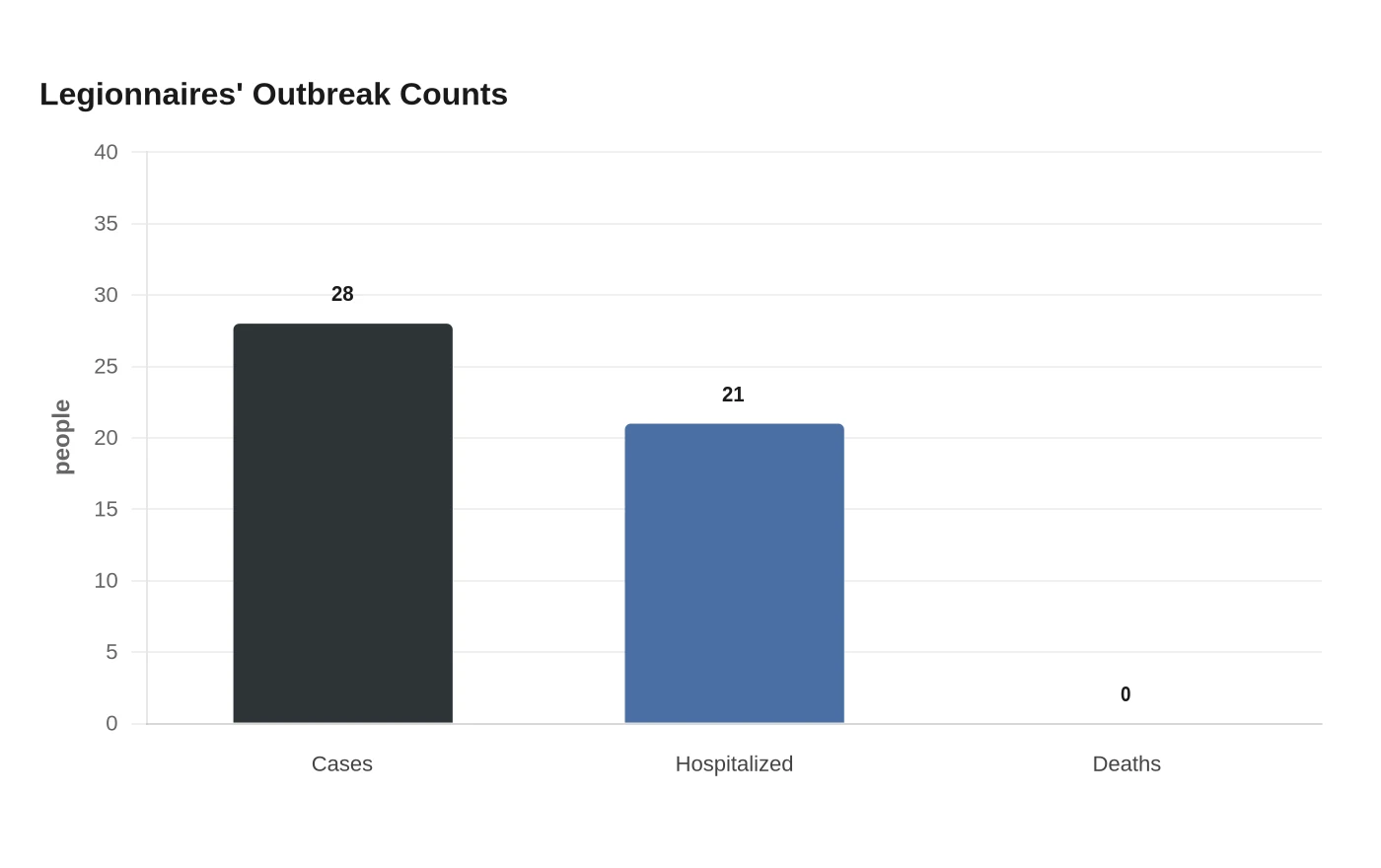
Mayor Zohran Kwame Mamdani escalated New York City’s Legionnaires’ response on July 7, ordering the public release of addresses for buildings whose cooling towers test positive in initial screening and requiring immediate cleaning and disinfection. The Upper East Side cluster climbed to 28 cases, 21 hospitalizations and no deaths, with the affected area stretching across ZIP codes 10028, 10128 and 10075.
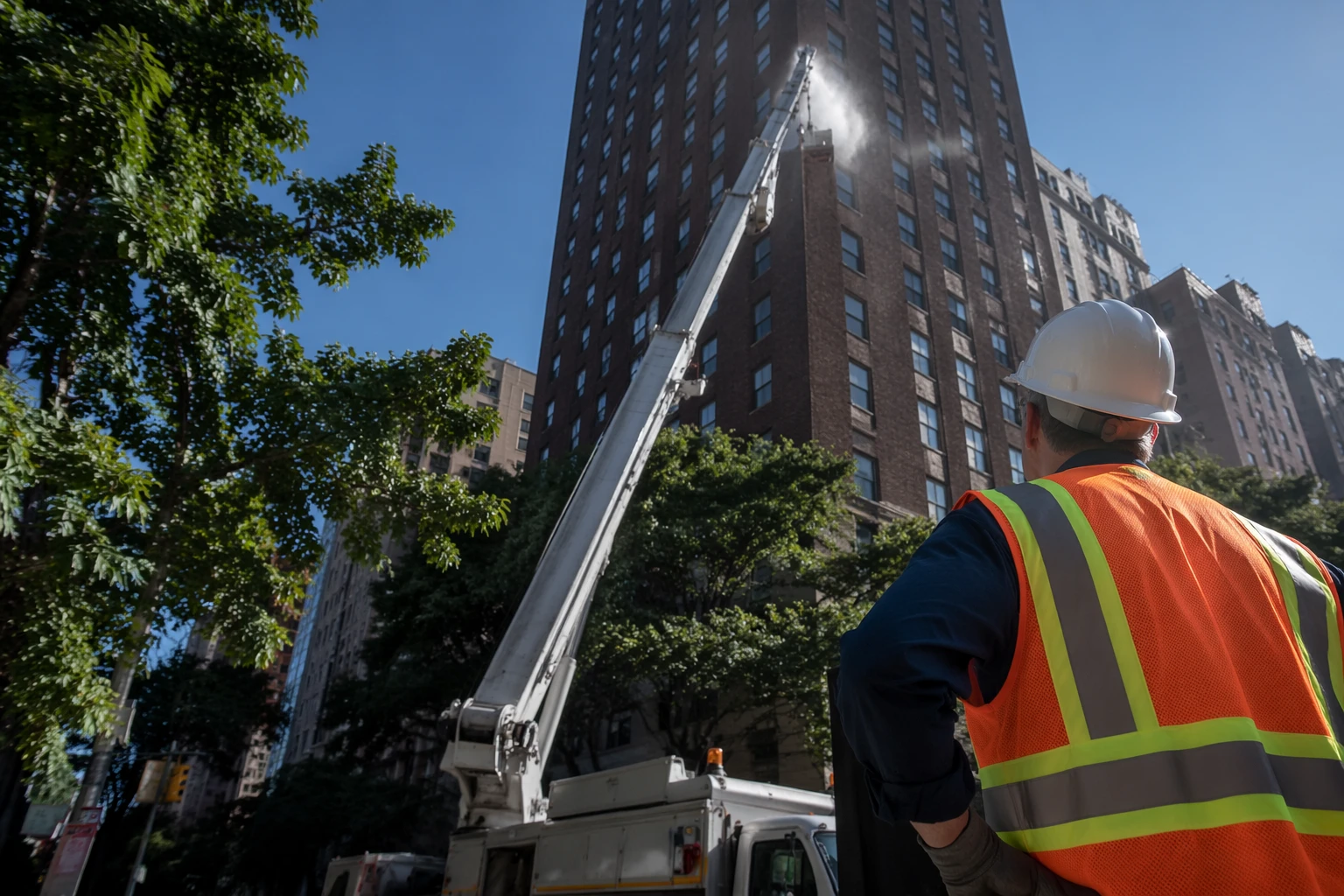
The source is a community exposure linked to cooling towers, not a building’s plumbing system. The main risk sits in large mechanical systems that can send contaminated mist into the air. Residents in the area can still drink tap water, bathe, shower, cook and use air conditioners at home. The Health Department has mobilized more than 100 staff members and is testing all cooling towers in the area; by July 7, officials had tested 139 of 160 buildings and were inspecting more than 150 towers.
Health officials opened the investigation on July 2 after two people in Carnegie Hill and Yorkville were diagnosed with the disease. People who live, work or have visited the area since late June and now have flu-like symptoms were urged to seek medical care immediately. An in-person town hall on July 7 drew residents, including some who had trouble getting through to 311.
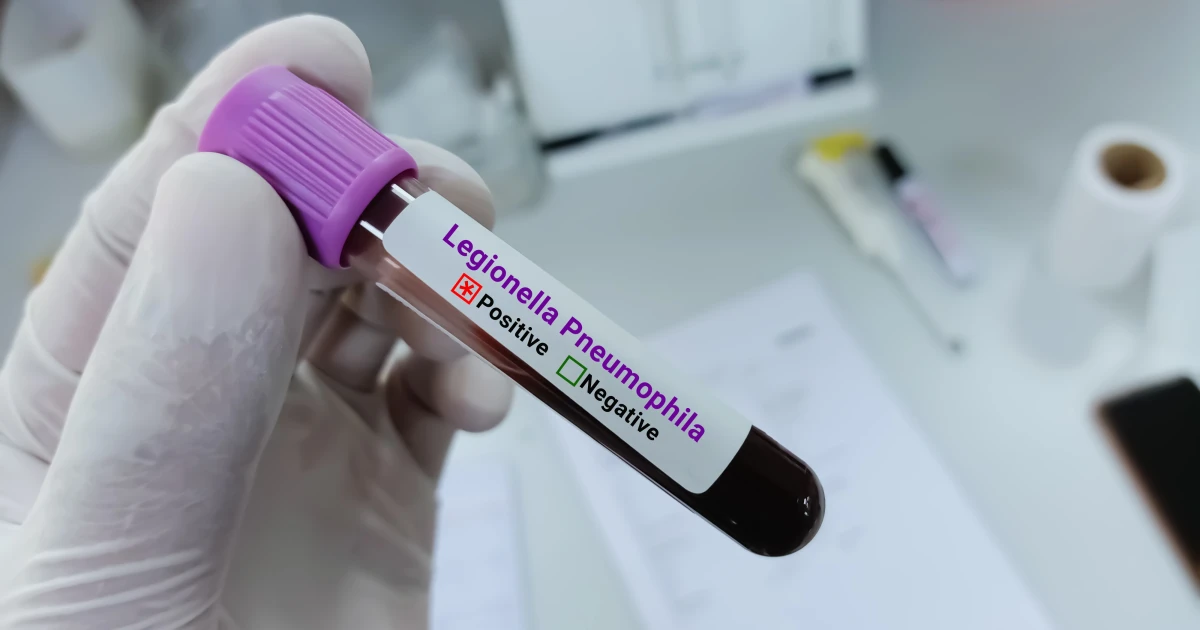
Legionnaires’ disease is a severe pneumonia caused by Legionella bacteria, which grow in warm water and spread when people breathe in contaminated mist. The disease is not spread person-to-person. Symptoms usually appear two to 14 days after exposure and can include fever, cough, chills, muscle aches and shortness of breath. Risk is higher for adults 50 and older, smokers or vapers, and people with chronic lung disease or weakened immune systems.
Sources
- [1]news.google.com
- [2]nyc.gov
- [3]cbsnews.com
- [4]nytimes.com