Health
New York City heat risk hits hardest in low-income Black neighborhoods
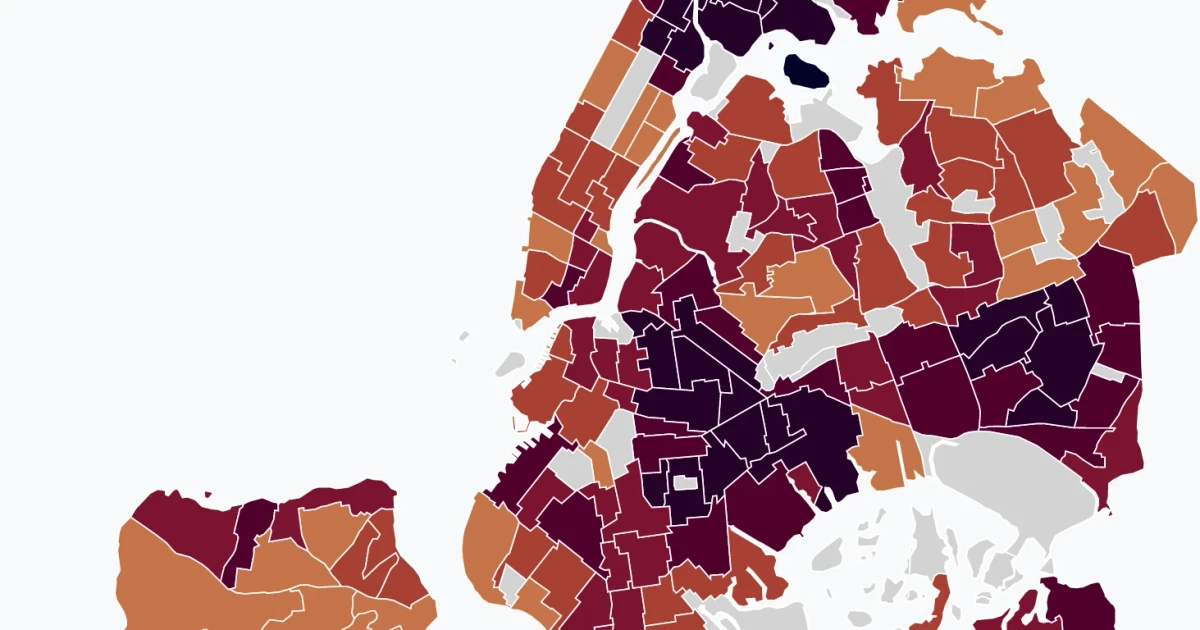
On April 21, 2026, New York City updated its heat vulnerability data, and Jamaica, Queens remains in a part of the city where dangerous heat is amplified by thin tree cover, hotter pavement and limited access to air-conditioning. The city scores neighborhoods from 1 to 5 based on surface temperature, green space, home AC access and the share of residents who are low-income or non-Latinx Black.
Jamaica’s neighborhood report area includes ZIP codes 11412, 11423, 11432, 11433, 11434, 11435, 11436 and 11451. Those patterns are rooted in past and present racism, including neighborhood disinvestment and racist housing policies that left some blocks with less shade and weaker infrastructure than others.
The New York City Health Department’s 2025 heat-mortality report found that about 525 New Yorkers died each year from heat-related causes on average from 2018 to 2022. Roughly 3% of all deaths each warm season in the city were heat-related, and most of those deaths were heat-exacerbated deaths that worsened existing conditions such as heart disease rather than direct heat-stress deaths.
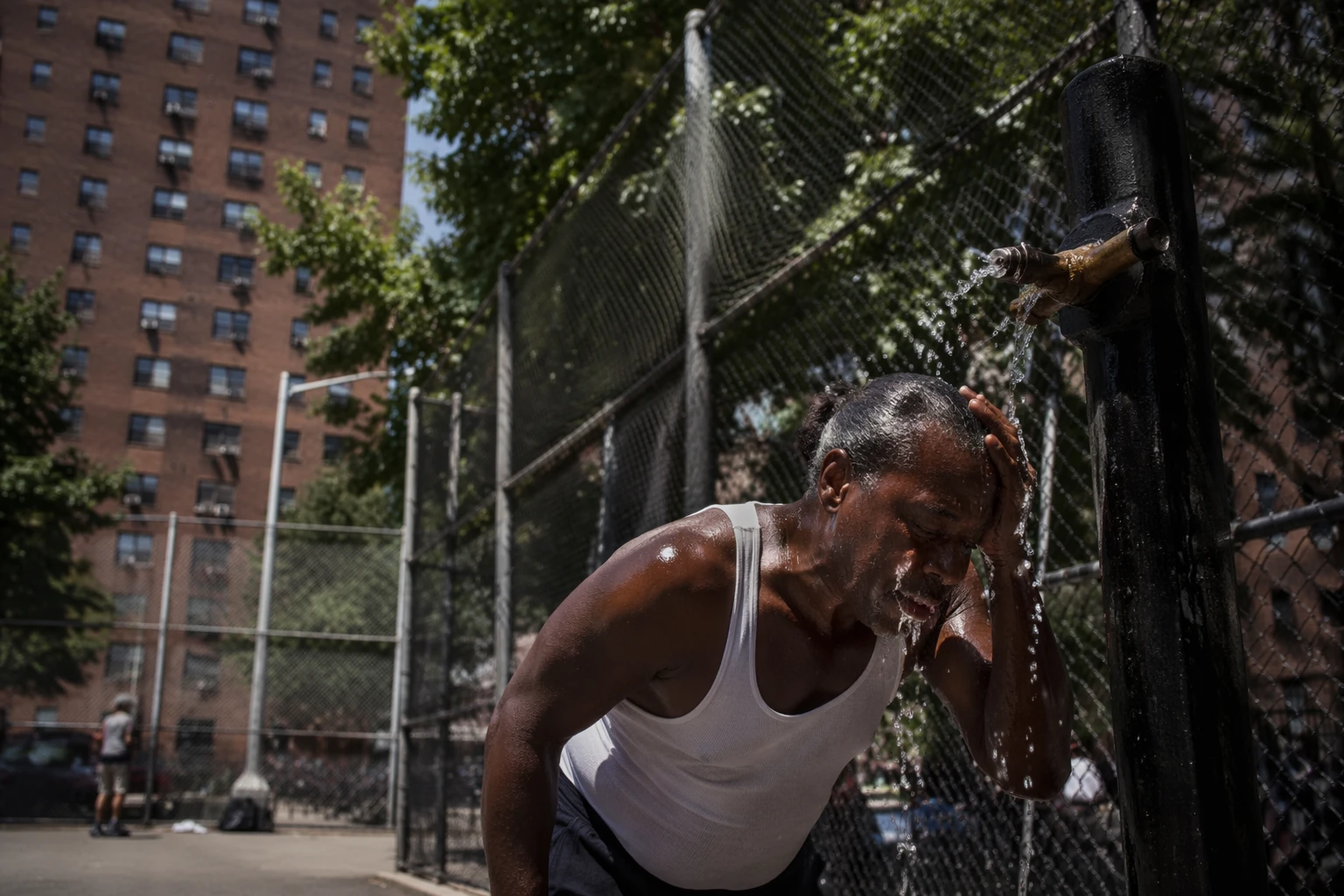
Living without an air conditioner, or being unable to afford to turn one on, is the most important risk factor for direct heat death. Heat is a home-based crisis as much as an outdoor one, especially in low-income Black neighborhoods where older housing, higher surface temperatures and less tree cover can trap residents in dangerous indoor temperatures. Cooling centers are an emergency backstop, but they cannot reach every apartment where people ride out a heat wave in place.
Acting Health Commissioner Dr. Michelle Morse says climate change is driving rising temperatures and unjust heat-related deaths. Zach Iscol, who leads NYC Emergency Management, says extreme heat is the deadliest weather hazard in the city. City and state agencies also warn that heat kills more people than hurricanes, floods or winter storms in New York City, and that the danger is expected to worsen as the climate warms.
Sources
- [1]nytimes.com
- [2]nyc.gov
- [3]a816-dohbesp.nyc.gov
- [4]data.cityofnewyork.us
- [5]dec.ny.gov
- [6]epa.gov
- [7]nyserda.ny.gov