Health
New York City Legionnaires' outbreak death toll rises to five
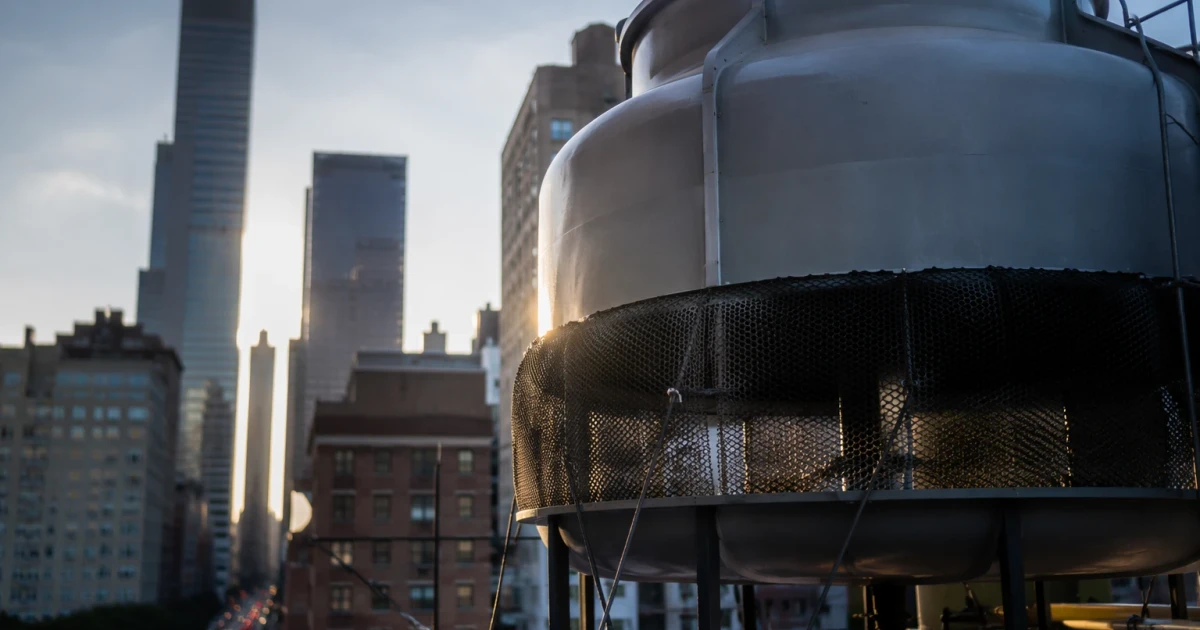
New York City recorded a fifth death tied to its Legionnaires’ disease outbreak as health officials kept pressing building owners to clean and disinfect cooling towers across the Upper East Side cluster. The city’s health department said 76 buildings had been ordered to act, and later said the data indicated the source of exposure had likely been eliminated.
The outbreak put the focus back on the systems that can turn a maintenance lapse into a public-health emergency. Legionnaires’ disease is caused by Legionella bacteria, which can grow in building water systems and spread through aerosolized droplets from cooling towers, showers, faucets and decorative fountains. It does not spread person to person, but older adults, smokers and people with weakened immune systems face the highest risk of severe illness.
City officials said the affected area covered Carnegie Hill and Yorkville, within roughly a one-mile radius on the Upper East Side. The first two cases were reported on July 2, and the health department said on July 18 that new diagnoses had remained stable for one week, a sign the cluster may have been slowing even as the death toll continued to rise.
The latest fatality sharpened questions about whether inspection, maintenance and enforcement around cooling towers and building water systems were strong enough before the outbreak spread. Dr. Alister F. Martin, the city’s health commissioner, said on July 14 that the department had ordered 76 buildings to clean and disinfect their cooling towers as part of the investigation. Officials also released a preliminary list of 31 buildings that had been ordered to take those steps, showing how broadly investigators were casting for a contaminated source.
For residents, the immediate concern is symptom recognition and prompt medical care. Legionnaires’ disease can look like pneumonia, with cough, fever, muscle aches and shortness of breath, and delays in diagnosis can worsen outcomes. The city’s messaging has centered on warning people in the affected area to seek care quickly if they develop symptoms, while property managers are being pushed to verify that cooling towers are inspected, disinfected and maintained on schedule.
The outbreak revived comparisons with New York City’s 2015 Bronx Legionnaires’ outbreaks, which brought heavy scrutiny to cooling tower oversight and helped drive tighter regulation. The Manhattan Borough President’s office also posted a public health alert page pointing residents to city guidance on the disease, who is at risk and the rules meant to protect New Yorkers.
Sources
- [1]apnews.com
- [2]nyc.gov
- [3]manhattanbp.nyc.gov
- [4]cnn.com
- [5]abcnews.com