Health
New York City Legionnaires’ outbreak grows to 92 cases, three dead
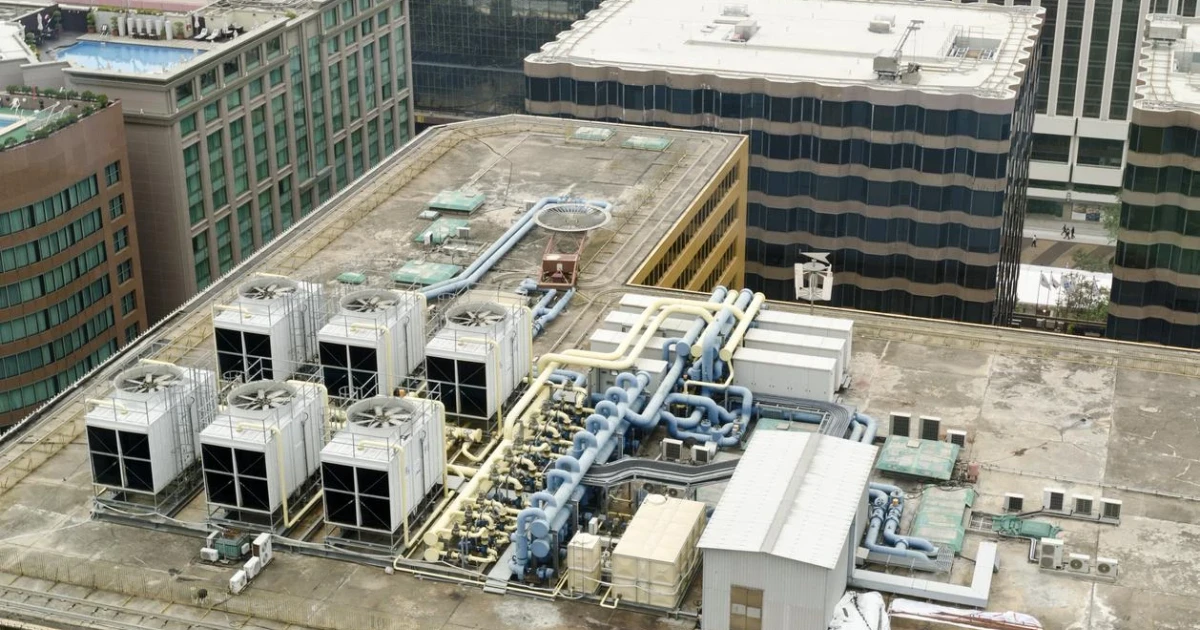
New York City health officials said 92 people had now been diagnosed with Legionnaires’ disease in Central Harlem, and three had died, as investigators sampled cooling towers across the neighborhood to find the source.
The city’s health department said the illness is not contagious and is treatable when caught early, but urged adults who had been in the affected area and were now dealing with flu-like symptoms, fever, cough or shortness of breath to seek medical attention. Legionnaires’ disease is caused by Legionella bacteria, which spread when contaminated water droplets are inhaled, making cooling towers a central focus in outbreaks like this one.
The count had risen from an earlier update that listed 58 diagnoses since July 25, 2025, along with two deaths. The latest figures pushed the outbreak into one of the city’s most serious public-health episodes of the year and renewed attention on Central Harlem, where the cluster was centered.
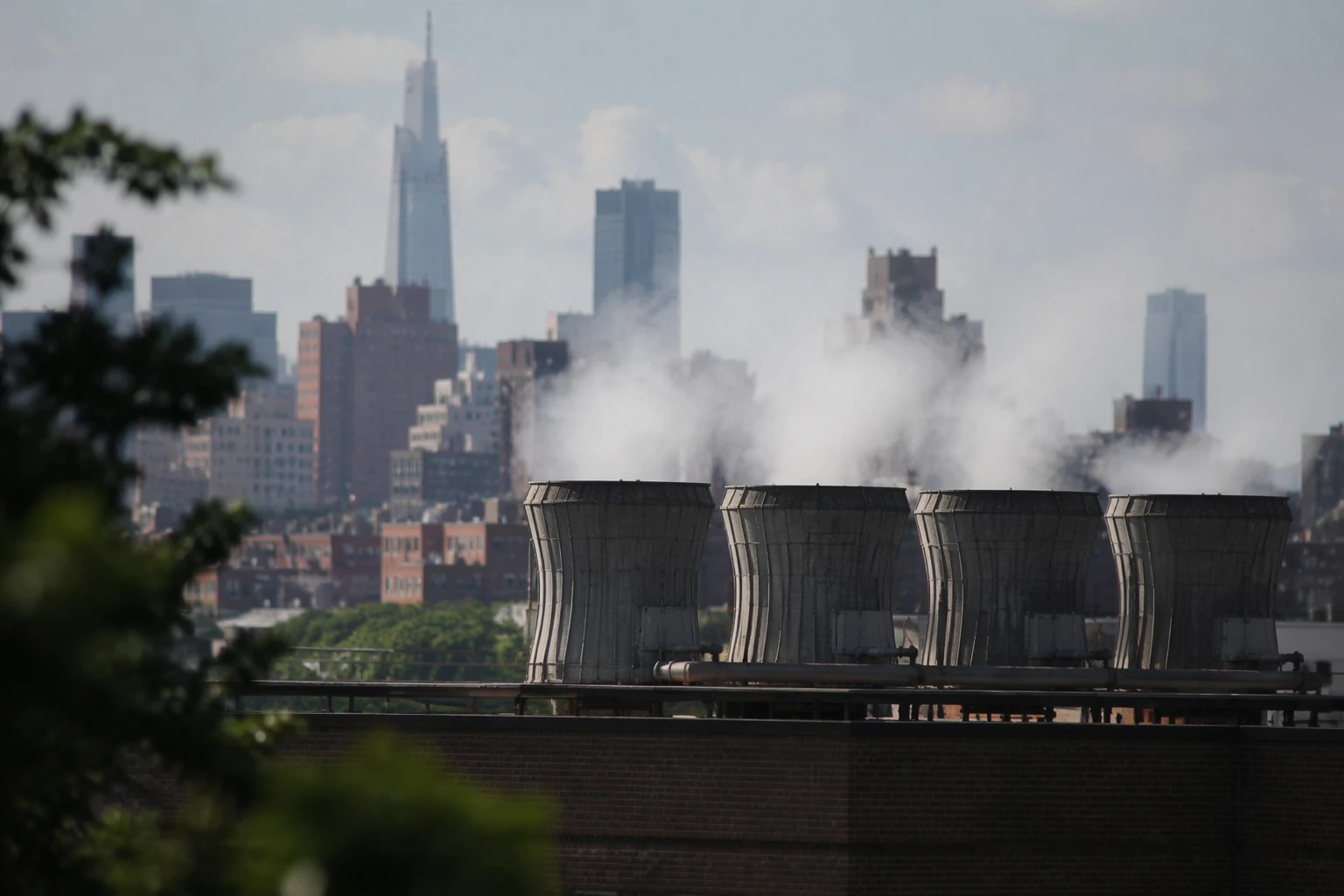
Cooling towers have long been a concern in dense cities because they can disperse contaminated mist from building systems into the surrounding air. Public-health reporting said all operable cooling towers in the investigation area were being sampled and remediated if contamination was found. New York City already has a cooling-tower registration and maintenance program, a safeguard put in place after the city’s history-making 2015 Legionnaires’ outbreak.
Later reporting linked the Harlem cluster to city buildings, including city-run buildings and a hospital, raising fresh questions about whether inspections, tower maintenance and public warnings moved quickly enough. The outbreak also underscored how quickly exposure can widen in a neighborhood where homes, workplaces, clinics and municipal buildings sit close together and share the same airspace.
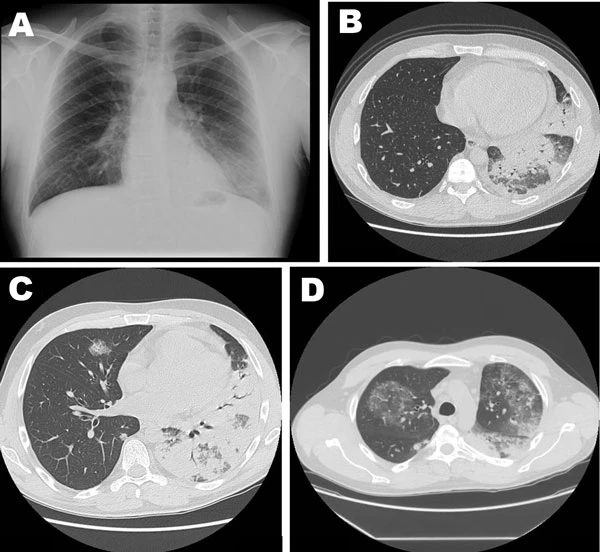
For residents, workers and visitors who had spent time in Central Harlem, the immediate risk is not person-to-person spread but delayed treatment if symptoms are ignored. City health officials said anyone in the affected area who develops fever, cough or shortness of breath should get medical care promptly, while building operators are being pressed to keep water systems clean, registered and under active maintenance.
Sources
- [1]news.google.com
- [2]nyc.gov
- [3]cdc.gov
- [4]pmc.ncbi.nlm.nih.gov
- [5]cnn.com
- [6]advocate.nyc.gov