Business
New York City opens rebid for $92 billion in pension index funds
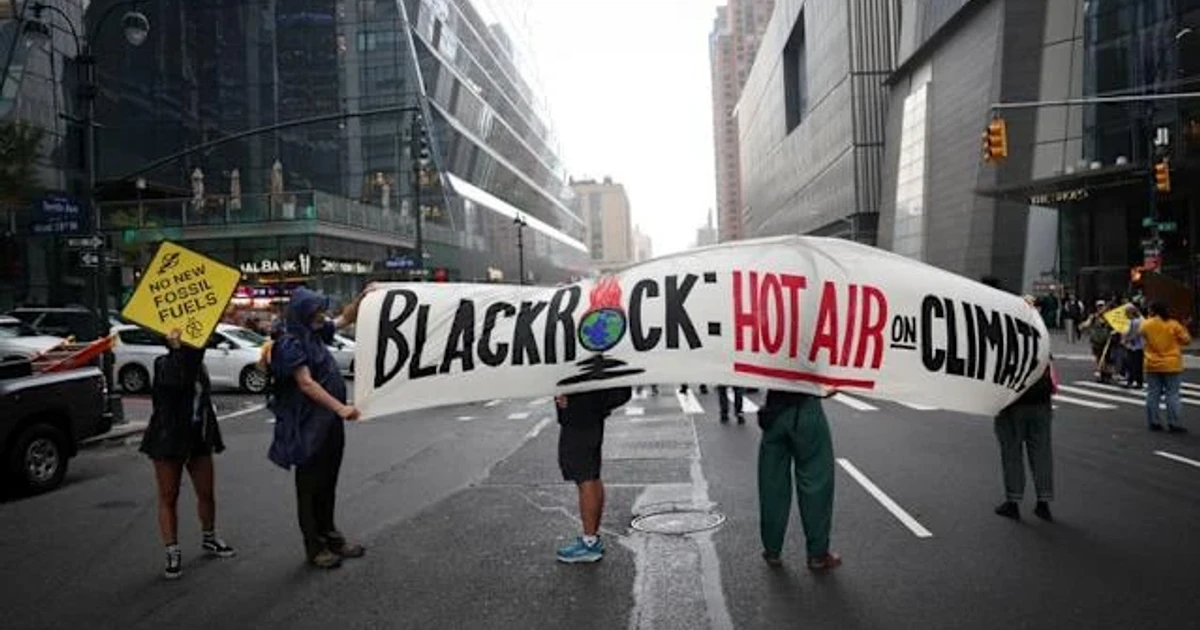
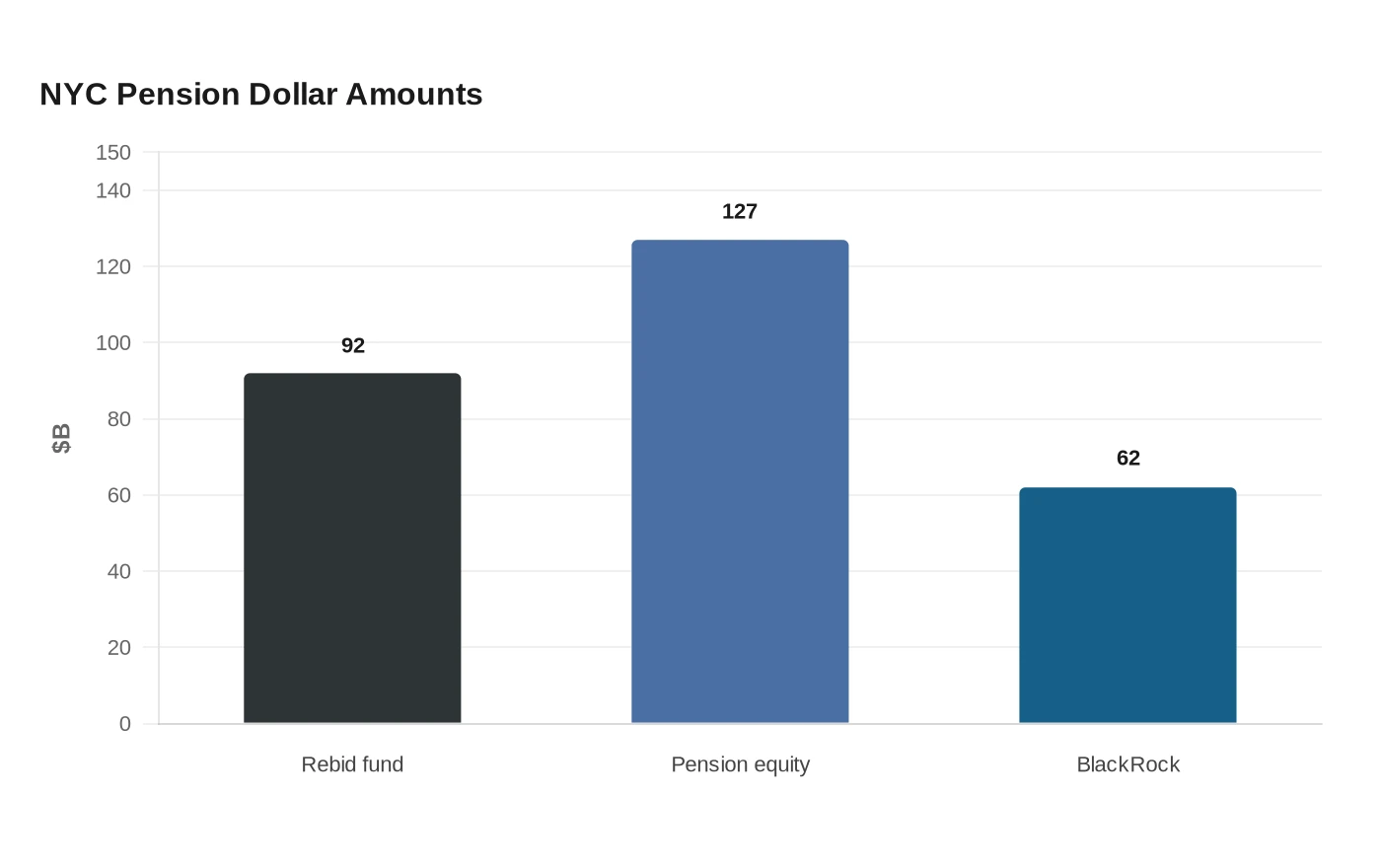
New York City has put one of its biggest passive-investing contracts back up for grabs, opening a rebid for about $92 billion in stock index-tracking funds now run by BlackRock and State Street Investment Management. The move puts BlackRock on notice at a moment when the city’s five pension plans hold about $127 billion in equity investments and climate standards have become part of the hiring test.
Asset managers have until July 15, 2026, to submit proposals. The public equity index services were last solicited in 2017 and then extended several times, a pattern that left the city’s largest passive mandates in place for years without a fresh competition. BlackRock manages $62 billion across all public equities for New York City, making the rebid a direct test of whether the firm can keep a core slice of that business.

The process is also the latest chapter in a deeper fight over fiduciary duty and climate accountability. Brad Lander, Mark Levine’s predecessor, formally recommended on November 26, 2025, that the city’s pension boards drop BlackRock, Fidelity and PanAgora over what he called inadequate decarbonization plans. PanAgora later improved its plan and was removed from the list, but BlackRock and Fidelity were still deemed “insufficiently aligned” with the city’s net zero expectations as of April 30, 2026.
New York City’s pension boards adopted Net Zero Implementation Plans in 2023, targeting net zero emissions by 2040, and required asset managers to submit decarbonization strategies by June 30, 2025. The funds said 46 public markets managers submitted plans aligned with those goals. They also reported a 37% reduction in financed greenhouse gas emissions from the 2019 baseline, $11.9 billion in climate solutions investments, and a portfolio greenhouse gas emissions footprint that was cut by nearly half while staying ahead of interim targets.

Levine has moved more cautiously than Lander, but not more leniently. In January 2026, he said he was “deep in review” of Lander’s recommendations and pledged to hold managers to “extremely high standards” on climate. On June 12, 2026, his office said all managers were welcome to bid, and Levine warned the city could not keep these relationships “on autopilot.”
For BlackRock, the stakes go beyond one municipal account. The firm is fighting to keep a mandate inside a pension system that is trying to reconcile low-cost index investing with stronger environmental screening, while also defending itself against political attacks from both sides. The city’s rebid will show whether performance, fees, stewardship and climate policy can still fit inside the same procurement decision, or whether New York’s public investors are ready to redraw the terms of passive management.