US News
New York City tower stabilized after structural collapse scare in Manhattan
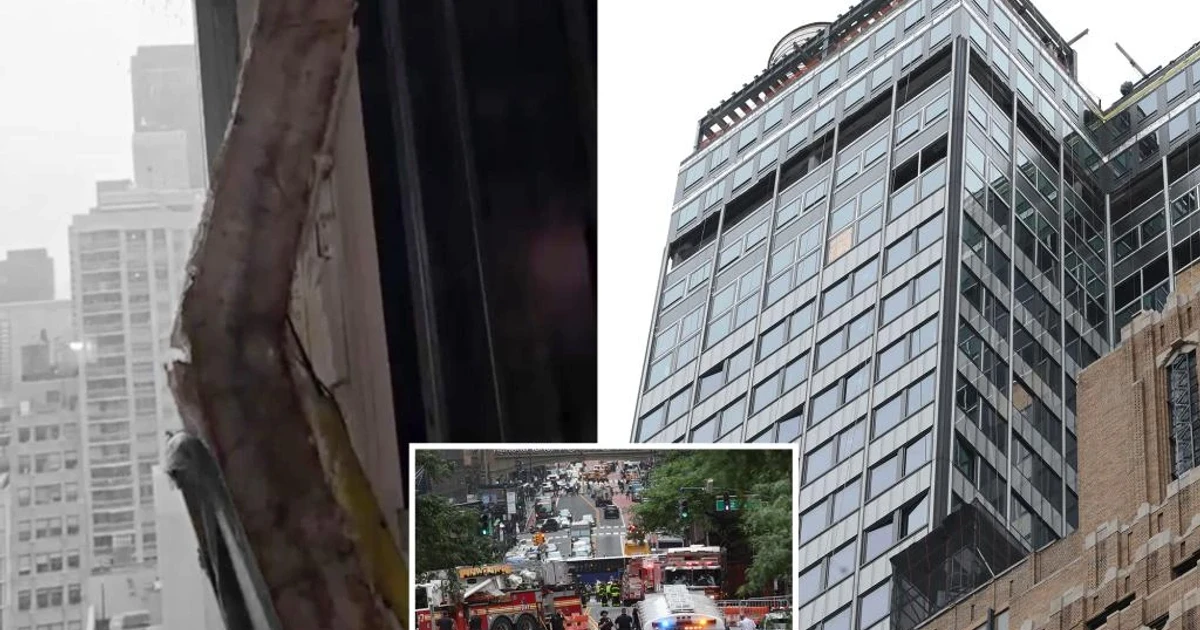
Two structural columns buckled on the 21st floor of a 37-story tower at 235 East 42nd Street, turning a major Midtown Manhattan conversion project near Grand Central into an emergency response zone. No injuries were reported, but city crews found cracks, sagging floors and additional movement in one compromised column, forcing evacuations and a frozen zone around nearby buildings.
FDNY received the first reports of a structural issue around 8 a.m. Tuesday, July 7, at the active construction site between Second and Third avenues. Responders from FDNY, NYC Emergency Management and the New York City Department of Buildings then inspected the tower and confirmed that the damage was concentrated on the upper floors, where the building’s support system had failed enough to raise collapse concerns.
Engineers moved quickly to shore up the structure with temporary supports while monitoring the tower for more movement. Drones were also used as part of the stabilization work, a sign of how urgently crews needed to assess the damaged columns without putting workers in additional danger. By late Tuesday, officials said the building had been stabilized enough that some evacuations could be lifted after monitoring showed no further movement in the damaged sections.
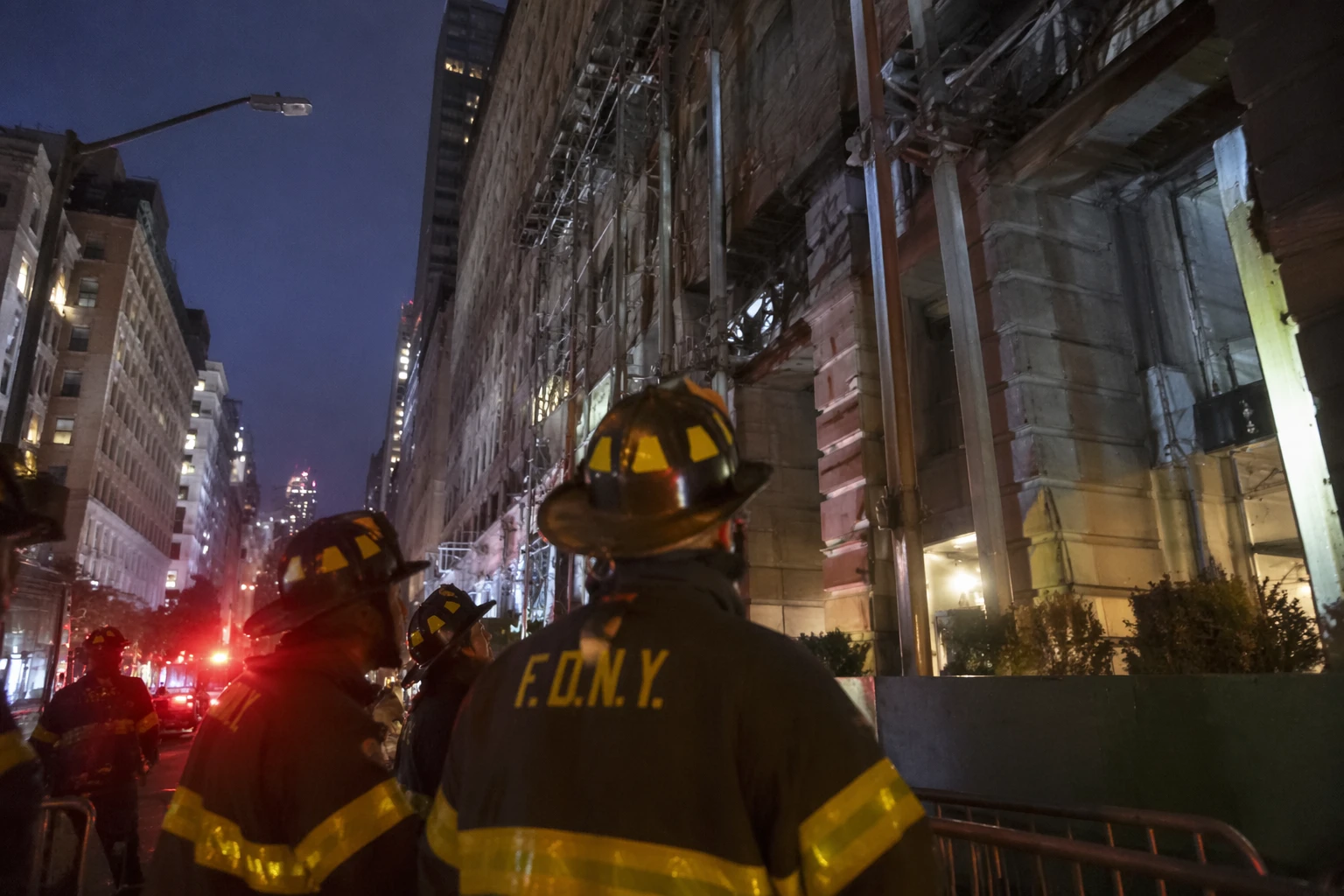
The building is an existing commercial tower that had active permits to be converted into housing, part of one of New York City’s largest office-to-residential projects. The former Pfizer headquarters is slated to become a residential complex with more than 1,500 planned apartments, a scale that has made the project a symbol of the city’s push to add housing in dense business corridors. The failure at 235 East 42nd Street shows how much is riding on the structural integrity of older office towers as they are stripped down and rebuilt for residential use.
For people living and working near Grand Central, the incident meant a sudden freeze around a block already packed with commuters, office workers and construction activity. The evacuations and street restrictions underscored how a single compromised tower can disrupt one of the city’s busiest districts, where a structural problem on an upper floor quickly becomes a public safety issue on the street below.
Sources
- [1]nbcnews.com
- [2]nyc.gov
- [3]nbcnewyork.com
- [4]usnews.com
- [5]comptroller.nyc.gov