Politics
New York moves to block 3D printers from making guns
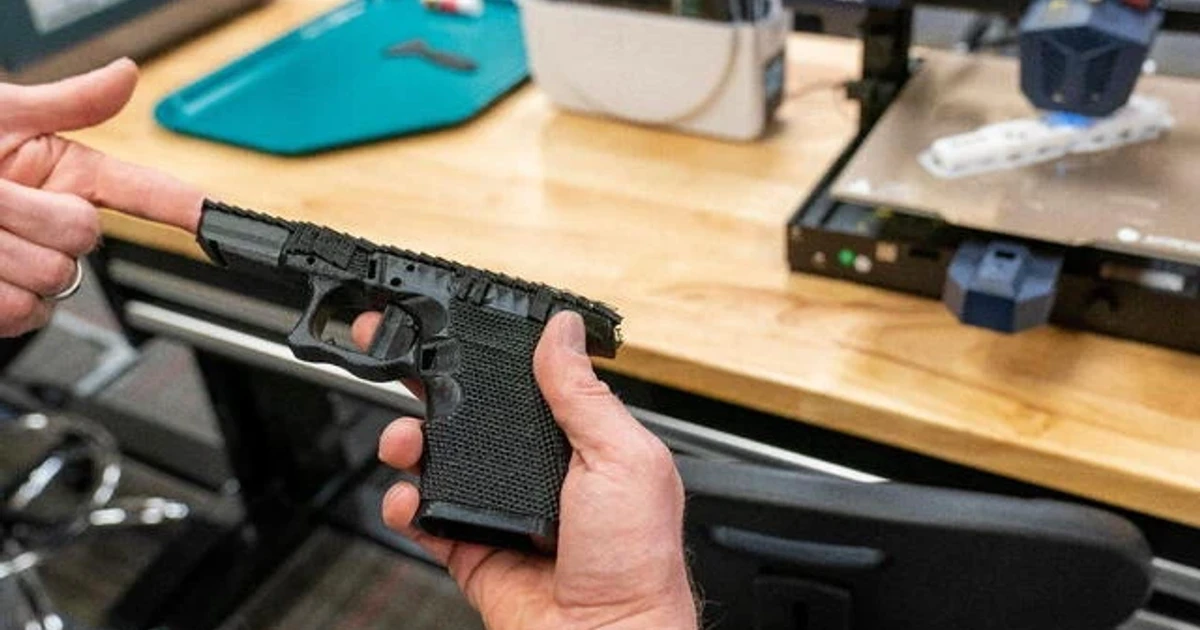
New York is trying to stop ghost guns before they come off the printer. The state is moving to require consumer and business 3D printers to include technology that blocks gun production, a gamble that shifts regulation from the firearm itself to the machine that makes it.
Gov. Kathy Hochul first laid out the idea in her Jan. 7, 2026, State of the State agenda, where she cast 3D-printed ghost guns as a fast-growing public safety threat. New York’s enacted SFY 2026-2027 budget later included provisions aimed at 3D-printed ghost guns and minimum safety standards for 3D printer manufacturers. Assemblymember Linda B. Rosenthal, a Manhattan Democrat, emerged as a key sponsor, and the budget language also calls for a working group of experts to help set standards for the blocking technology.
The political appeal is clear: ghost guns are untraceable firearms that can evade the background checks required for guns bought from federally licensed dealers. The enforcement question is harder. Critics and skeptics are already warning that if blocking software can be bypassed, disabled or stripped out, the state may end up burdening manufacturers and hobbyists while determined users simply move around the restriction. The proposal also raises privacy and constitutional concerns because it would give the government a foothold in how printers handle digital files.
That tension matters because 3D printers are no longer niche equipment. Their global number has risen from an estimated 30,000 in 2012 to more than 3 million, and the industry now generates tens of billions of dollars a year. The machines make toys, prosthetics and airplane parts as well as illicit weapons, which is why lawmakers are trying to separate legitimate use from criminal misuse without freezing the technology itself.
The enforcement backdrop is already visible in New York City. The New York City Police Department says its firearms reports track seizures of guns, including ghost guns and firearms created using a 3D printer. A New York state information page said ghost-gun recoveries in New York City rose from 394 in 2023 to 438 in 2024, with 40 seized in the first two months of 2025. In Queens, New York Attorney General Letitia James announced convictions and sentencings in a case involving 86 recovered firearms, 55 of them ghost guns.
Federal numbers show how large the gun-tracing system already is. The Bureau of Alcohol, Tobacco, Firearms and Explosives said its National Tracing Center received 654,879 trace requests in fiscal 2025, and the bureau carried out 8,472 firearm compliance inspections. California is now pushing a similar line with AB 2047, which would require manufacturers selling in the state to attest that printers have a certified firearm blueprint detection algorithm and would make it a crime to disable or circumvent installed blocking technology. Together, the measures amount to a national test of whether states can regulate the digital and hardware ecosystem behind ghost guns before the next workaround appears.
Sources
- [1]usnews.com
- [2]governor.ny.gov
- [3]www2.assembly.state.ny.us
- [4]calmatters.digitaldemocracy.org
- [5]legiscan.com
- [6]nyc.gov
- [7]informedny.com
- [8]atf.gov
- [9]ag.ny.gov
- [10]apnews.com