Politics
New York primaries test Mamdani's influence, super PAC power and AI fight
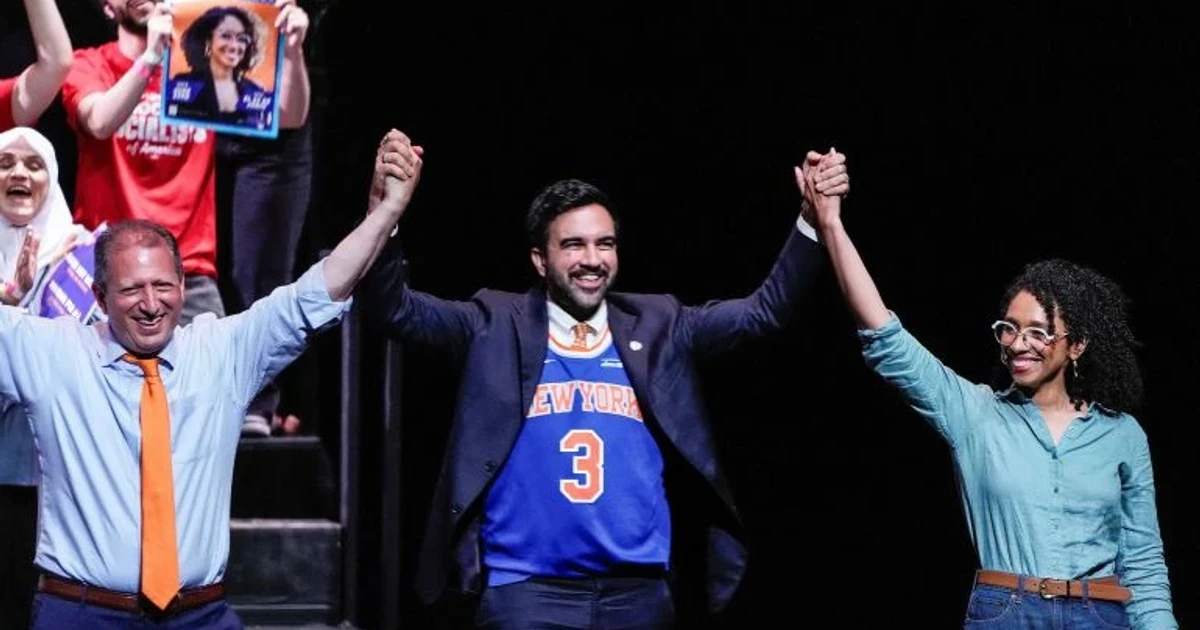
New York’s congressional primaries on Tuesday put three forces on trial at once: super PAC money, Israel politics and Zohran Mamdani’s reach beyond his own base. The clearest barometer was Manhattan’s 12th District, where Democrats chose a nominee to replace retiring Rep. Jerry Nadler and where artificial intelligence regulation became as central as any traditional ward-by-ward appeal.
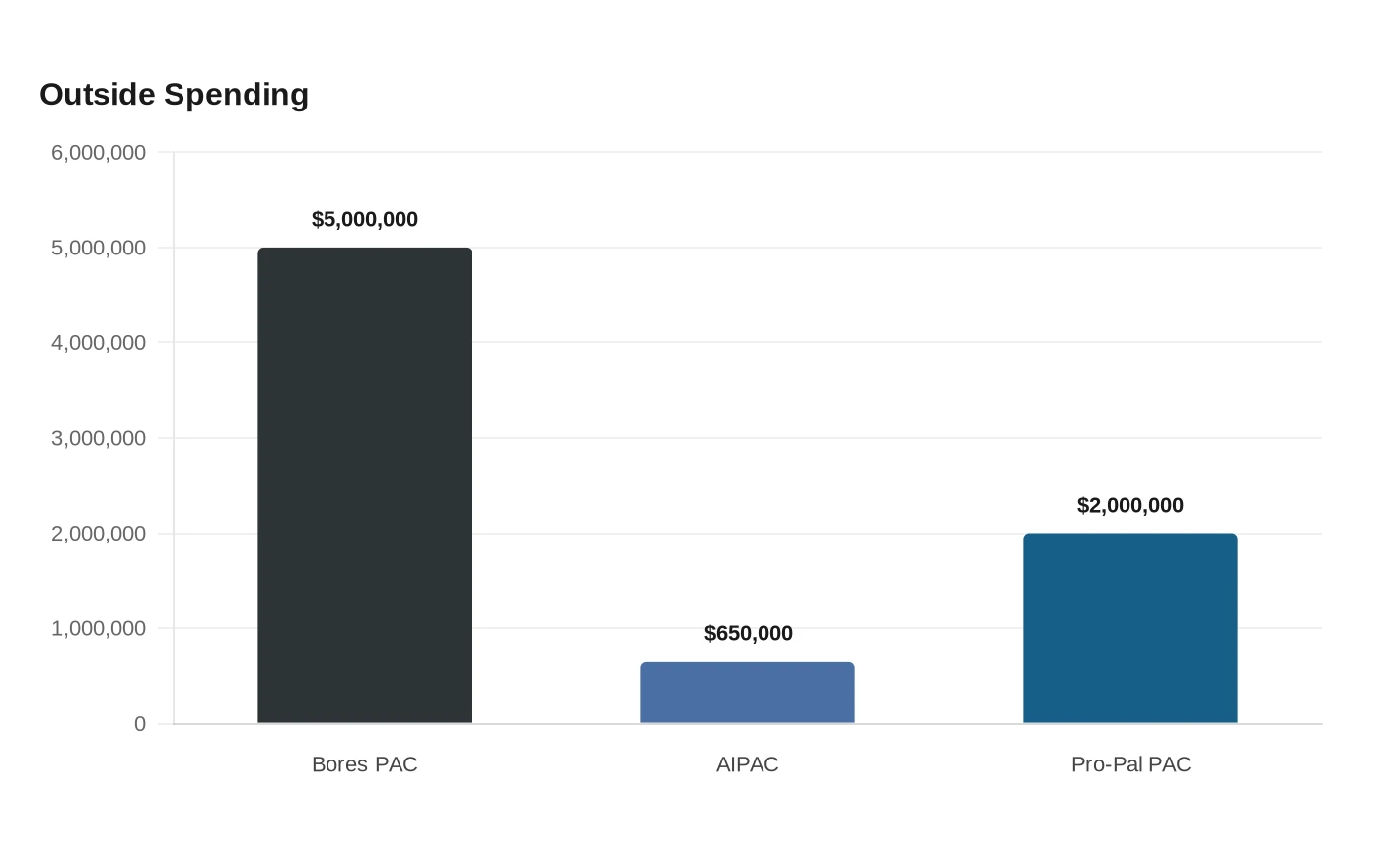
The 12th District contest drew Assemblymen Alex Bores and Micah Lasher, along with Jack Schlossberg, into a race shaped by a super PAC backed by tech investors that raised $5 million to support Bores. His support for AI regulation made him a target, turning the district into a proxy fight over whether the tech industry could spend its way through a Democratic primary.
Outside spending was also redefining the rest of the map. AIPAC, which had stayed on the sidelines earlier in the cycle, spent $650,000 to support Rep. Adriano Espaillat in the 13th District, according to The New York Times. At the same time, a pro-Palestinian super PAC was putting a total of $2 million behind Brad Lander, Claire Valdez and Darializa Avila Chevalier, underscoring how sharply Israel policy had broken into local Democratic races.
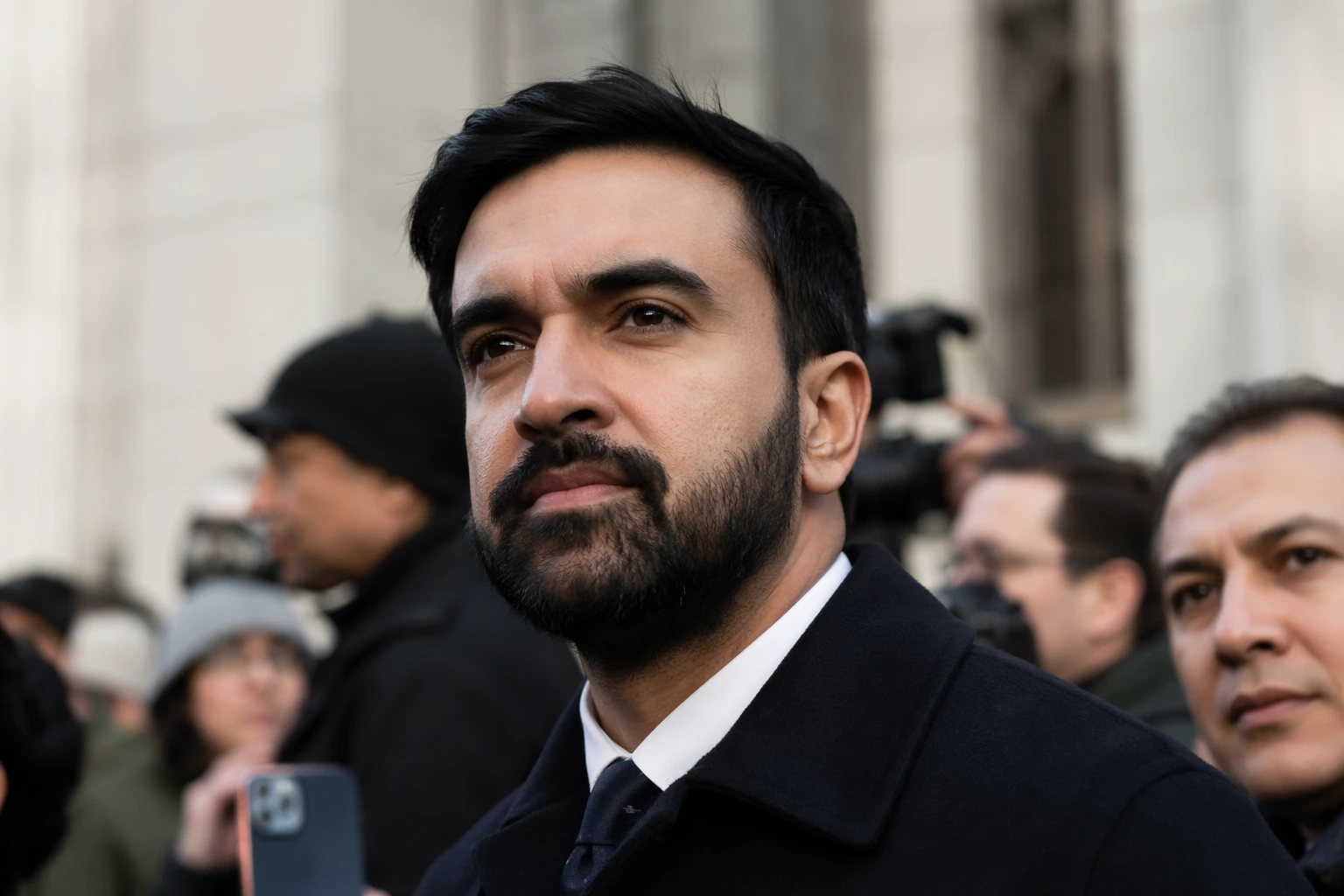
Mamdani, New York City’s new mayor and the surprise winner who remade the city’s left wing, was not on the ballot. His movement was. He had endorsed Lander, Valdez and Avila Chevalier and had appeared with Sen. Bernie Sanders at a June 18 get-out-the-vote rally at Kings Theatre in Brooklyn. There, Mamdani called AIPAC “monsters” and accused it of spending “millions in dark money,” words that made Israel politics an even more combustible issue in the final stretch.
The broader question was whether Mamdani’s coalition, built on younger and more progressive voters, could still translate into wins outside his own races. Early-voting data pointed to a smaller electorate than last year’s and one that was about a decade older, a warning sign for a campaign style that depends on energy from the left as much as donor money from the center. Polls were open from 6 a.m. to 9 p.m., and the results were set to show whether Democratic primaries in New York still belonged to local organizations, or to the outside forces now shaping them.
Sources
- [1]nytimes.com
- [2]cnbc.com
- [3]politico.com
- [4]timesofisrael.com
- [5]prospect.org
- [6]cityandstateny.com
- [7]emersoncollegepolling.com