Politics
New York revives pied-à-terre tax to target luxury second homes
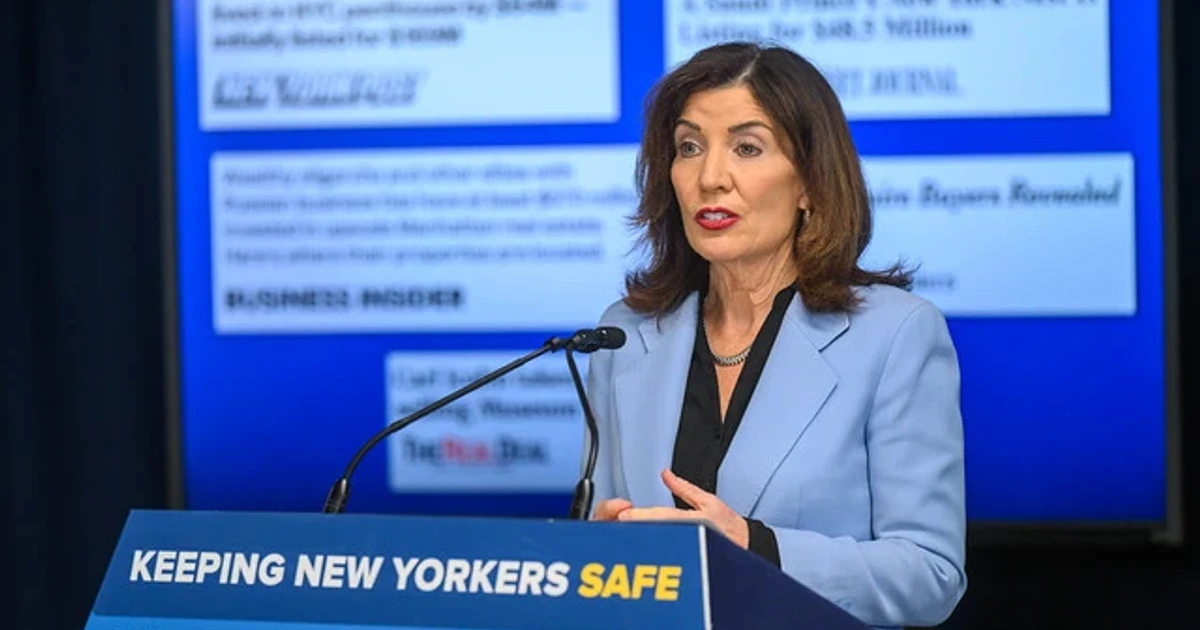
Governor Kathy Hochul revived New York’s pied-à-terre tax push by backing a surcharge on luxury second homes valued at $5 million or more, arguing it could help close New York City’s budget gap without raising taxes on city residents. The proposal has returned as lawmakers search for revenue that does not touch local homeowners, while critics and supporters still disagree on whether it would materially change the housing market or mainly serve as a fairness measure.
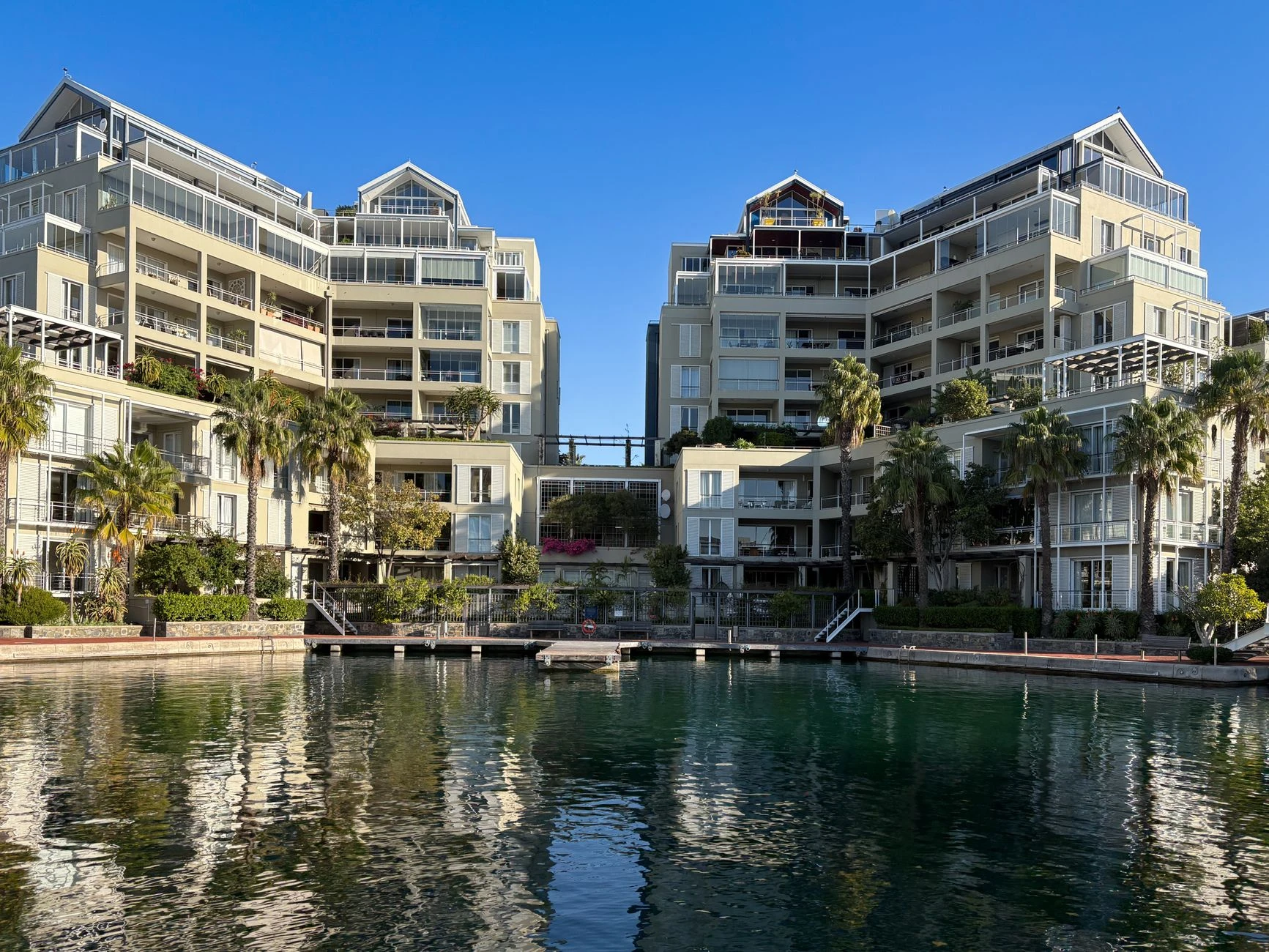
The clearest version of the tax came from the Citizens Budget Commission of New York, which said nonresident owners of New York City homes worth more than $5 million would face an annual property tax surcharge starting at 0.5 percent of the value above that threshold. That structure is aimed squarely at part-time owners of high-end apartments and townhouses, a narrow slice of the market that has long been a symbol of the city’s inequality. The policy would leave New York City residents untouched and would ask owners of expensive, mostly unused properties to pay more toward city services.

Brookings framed the policy in those terms in a 2019 brief, describing a pied-à-terre tax as a levy on high-value luxury residential property that is not used as a primary residence. The same analysis noted that homeowners who do not live primarily in New York City do not pay the city’s income taxes, so they contribute minimally to funding the public services they use. That argument has made the tax attractive to lawmakers who want to tie luxury real estate more directly to the costs of transit, sanitation, policing, and other city services.
Fiscal pressure has sharpened the case. A K&L Gates analysis said the COVID-19 shutdown created an astonishing $14 billion budget deficit in New York, with projections of up to $30 billion by 2022 in estimates attributed to Governor Andrew Cuomo. That strain helped put the tax back on the table as a way to capture revenue from wealthy owners who can absorb it without broad-based tax hikes.
The Office of the New York City Comptroller also examined the policy, releasing a report on its potential revenues and identifying key uncertainties. Separately, a 2019 Syracuse University memo said the New York City Subway faced a mobility crisis and a significant funding shortfall, and argued that a pied-à-terre tax could help finance transit. That link between luxury real estate and mass transit has kept the debate alive: for supporters, the tax is a targeted revenue tool, and for opponents, it is a test of whether New York can tax wealth at the top without unsettling investment at the margin.
Sources
- [1]nytimes.com
- [2]governor.ny.gov
- [3]cbcny.org
- [4]klgates.com
- [5]brookings.edu
- [6]comptroller.nyc.gov
- [7]joyinger.expressions.syr.edu