Health
New York seniors drain savings before Medicaid help arrives
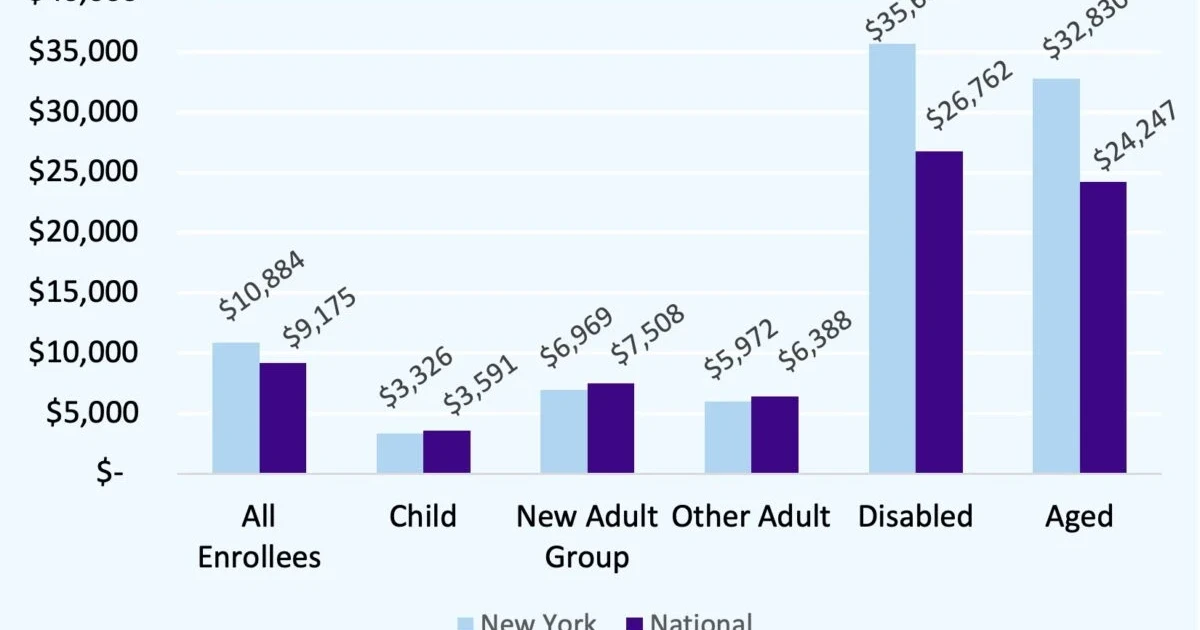
A New York couple depleted their retirement and savings accounts paying out-of-pocket for healthcare before they could qualify for Medicaid. Their experience lands in the middle of a larger problem in New York and across the United States: older adults and people on fixed incomes can be pushed to spend down assets, then wait for a narrow safety net that often arrives only after their savings are gone.
In New York, the Medicaid Excess Income program, also called spend-down or surplus income, lets applicants reduce countable income by applying certain medical costs. Doctor visits, prescription drugs, over-the-counter medications and insurance premiums can all be used to close the gap until a person meets the Medicaid limit. The Legal Aid Society defines a spenddown as the difference between a person’s income and the Medicaid limit, and local departments of social services decide how that difference is calculated.
That structure can leave older adults in a bind. New York State’s Department of Health says retirement accounts are generally disregarded for the Medicaid Buy-In Program for Working People with Disabilities, but older adults seeking regular Medicaid or long-term care still face income and resource rules that are far more complicated. For families trying to protect a lifetime of savings, the result can be a forced choice between getting needed care and preserving even modest assets.

Advocates have pressed Albany to narrow that gap. The New York City Bar Association’s Legal Problems of the Aging Committee supported Part N of the 2022-23 New York State Executive Budget for Health and Mental Hygiene, backing changes meant to create greater equity in Medicaid eligibility rules for older adults and adults with disabilities. The goal was to align eligibility limits more closely with those for single adults, childless couples and families.
The pressure is steepest for people already spending heavily on health care. A 2025 fact sheet from the Medicare Rights Center says about 34% of New York Medicare beneficiaries have incomes below 200% of the federal poverty level. It also says people with Medicare spend 14% of household expenses on health care, more than double the 6% spent by non-Medicare households. The same fact sheet notes that poverty rates among New Yorkers over 65 are 17% for Black and Hispanic adults, compared with 7% for white adults.

The safety net itself was built for a country where aging could mean sudden vulnerability. The Centers for Medicare & Medicaid Services says Medicare and Medicaid were created on July 30, 1965, and that roughly half of all seniors were uninsured before 1966. New York’s Medicaid Redesign Team demonstration period, running from April 1, 2022 through March 31, 2027, keeps those access and affordability debates in motion as more older residents face the same squeeze.
Sources
- [1]cbsnews.com
- [2]nycbar.org
- [3]health.ny.gov
- [4]legalaidnyc.org
- [5]medicarerights.org
- [6]cms.gov