Health
New Zealand reports first H5N1 bird flu case in wild seabird
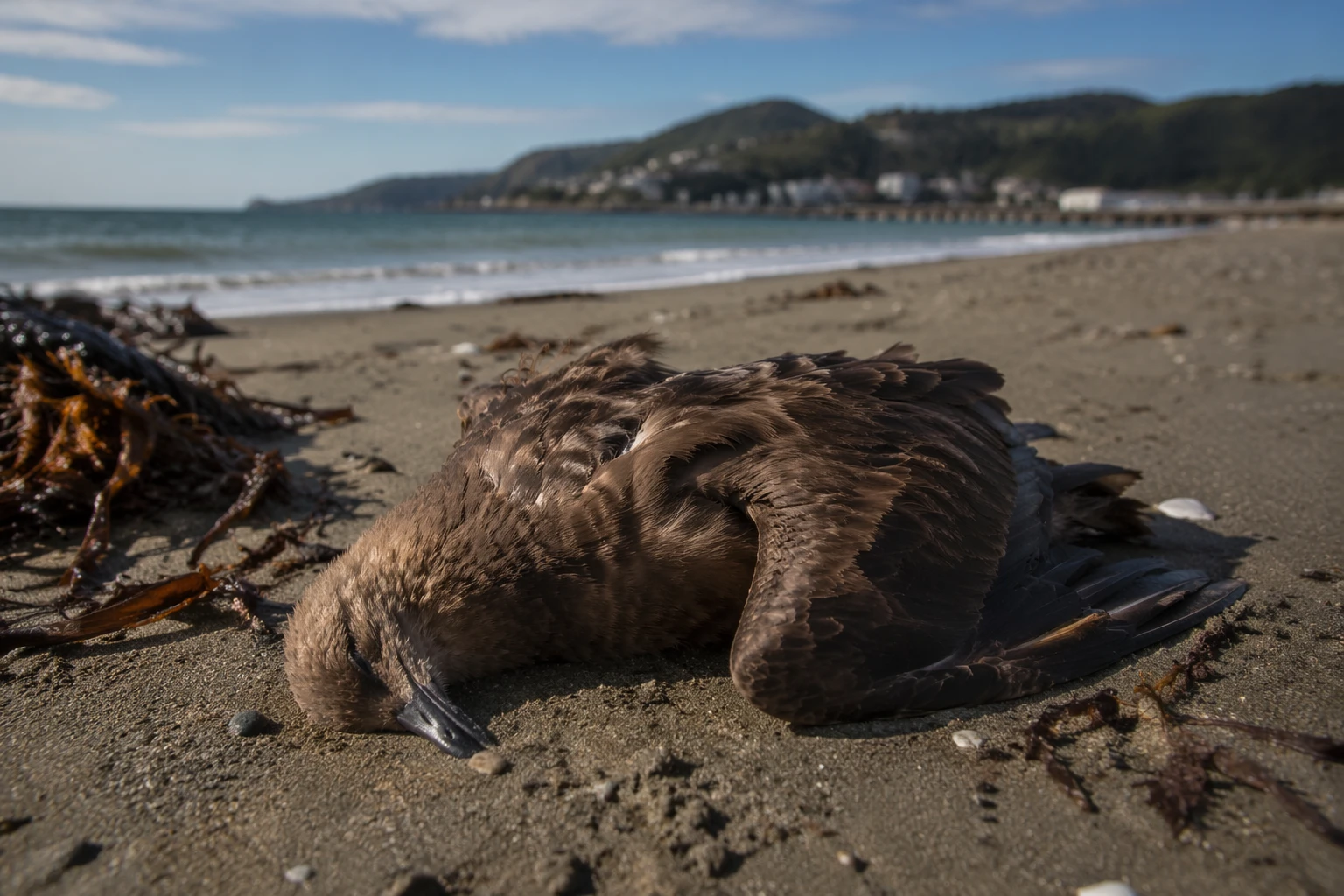
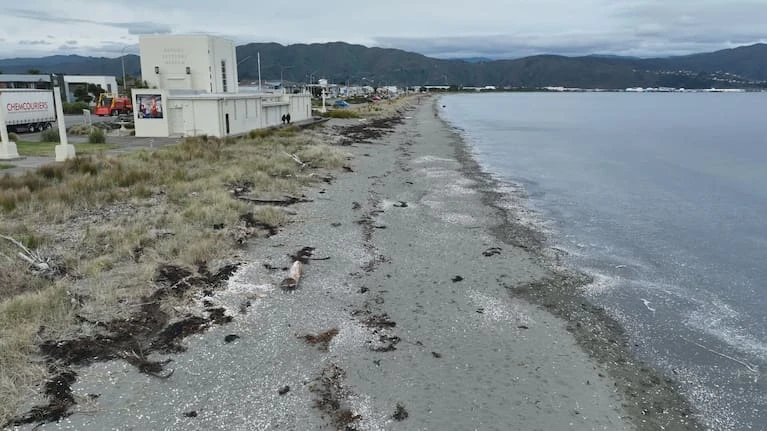
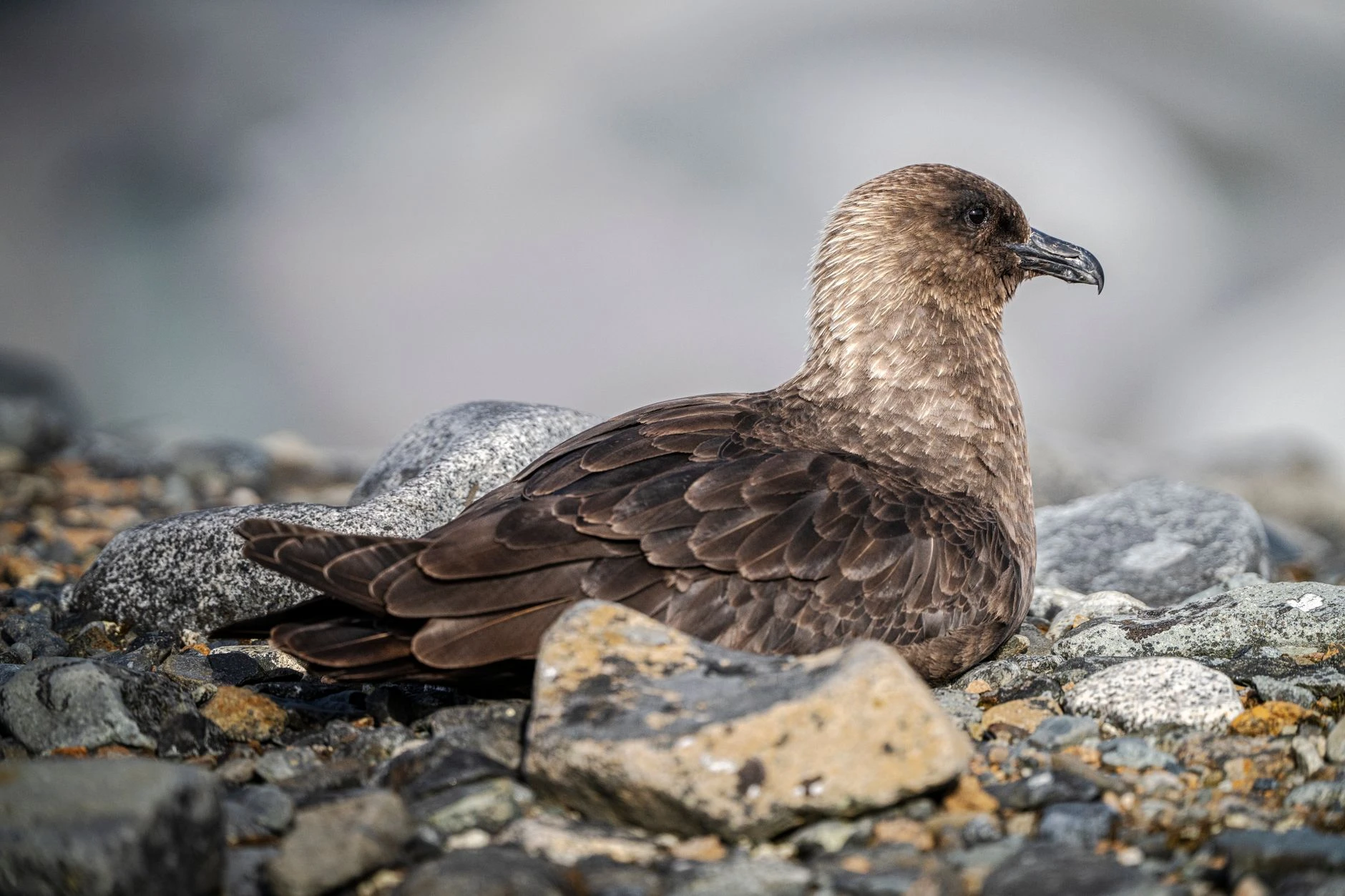
A brown skua found on Petone Beach in Wellington tested positive for H5N1 avian influenza clade 2.3.4.4b, giving New Zealand its first detection of the virus in a wild seabird and triggering an immediate biosecurity response. The case remained isolated, with no evidence of spread beyond the single bird and no detections in poultry, Biosecurity Minister Andrew Hoggard said.
The human health risk remained low, and people were advised not to touch sick or dead birds. Anyone finding three or more sick or dead wild animals was asked to call the Ministry for Primary Industries exotic pest and disease hotline at 0800 809 966. MPI already had an active surveillance programme in place and tests about 2,000 samples from wild birds each year for low pathogenic avian influenza.
H5N1 has moved through wild bird and mammal populations globally since 2021, killing millions of birds and spilling into poultry, dairy farms and some farmworkers. Hoggard said New Zealand could face a pattern similar to Australia, where officials have seen single-bird coastal detections without mass mortality events.
New Zealand has been preparing for that possibility for months. In September 2025, a Government Industry Agreement established the Poultry Council to oversee readiness work between MPI and industry, with a focus on limiting damage to the poultry sector and protecting the country’s chicken and egg supply. The current response is being run as a One Health effort involving MPI, the Department of Conservation, the Ministry of Health, Health New Zealand | Te Whatu Ora, industry and local councils.
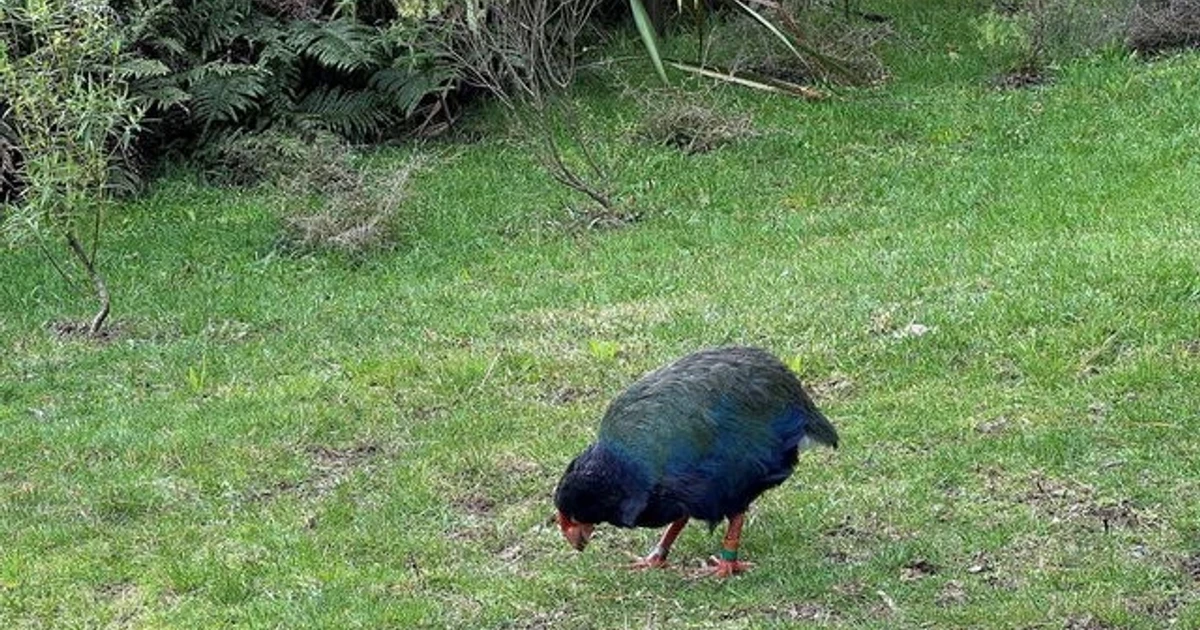
DOC began vaccinating about 300 core breeding birds from five endangered species in July: kākāpō, takahē, shore plover, black stilt and orange-fronted parakeet. By 16 July, 67 of those birds had received a first dose, with a booster due a month later. A trial last year found the vaccine safe and effective in the five species studied.
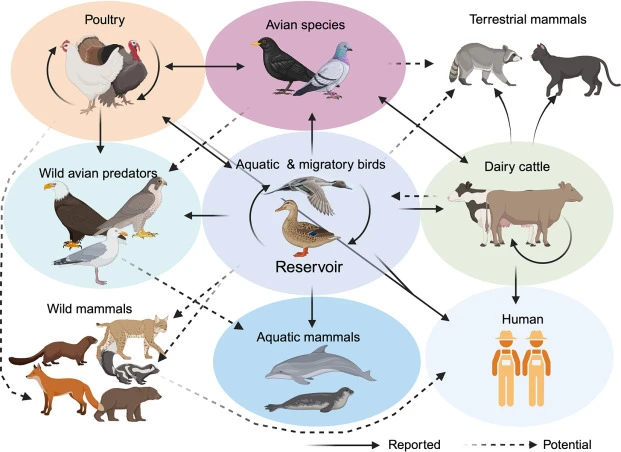
Professor Jemma Geoghegan of the University of Otago said the detection was concerning but not unexpected after the virus reached Australia, while Professor Dianne Brunton of the University of Auckland said the key question was not whether H5N1 would arrive, but when it would establish. Professor Brett Gartrell of Massey University said DOC’s plans had already mobilized, but the biggest unknown remained how vulnerable New Zealand’s endemic species would prove to be.
Sources
- [1]usnews.com
- [2]beehive.govt.nz
- [3]mpi.govt.nz
- [4]doc.govt.nz
- [5]sciencemediacentre.co.nz