US News
NHC gives developing storm 80% chance of forming near Florida

A developing weather system near Florida has an 80% chance of becoming a tropical cyclone within the next 48 hours, putting households, travel plans, utilities and emergency managers on alert across the state and surrounding waters.
Conditions are favorable for organization, whether from warm water, low wind shear or a disturbance already tightening its circulation. Florida should prepare for the full range of tropical impacts, including dangerous rain, rough surf, coastal flooding, strong squalls and localized power outages.
The forecast cone, watches and warnings, rainfall totals and storm surge potential are the immediate markers to watch. A system that forms close to Florida can disrupt airline schedules, shipping lanes, beach operations and outdoor events across the Southeast long before it reaches peak intensity. Slow-moving storms are especially dangerous in Florida because repeated bands of heavy rain can overwhelm drainage systems and worsen urban flooding.
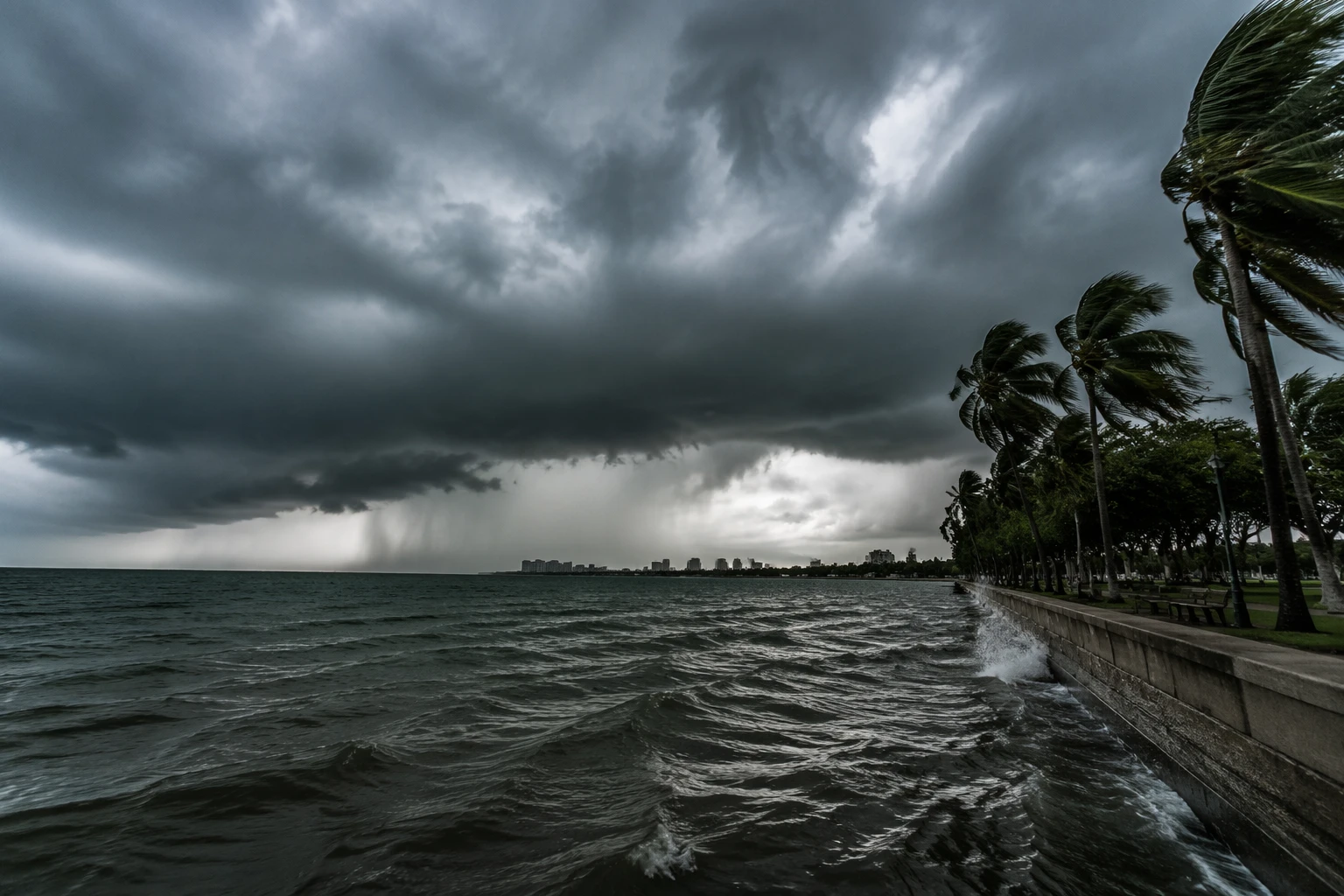
The Tropical Weather Outlook and related advisories provide advance notice before a system is fully classified, and the graphical tropical weather outlook archive includes 48-hour outlooks for the Atlantic basin. The center also maintains National Storm Surge Risk Maps. Major hurricane hazards include storm surge, inland flooding and other impacts.
Hurricane Debby made landfall in Florida’s Big Bend on 5 August 2024 as a Category 1 hurricane. Hurricane Helene struck the same region on 27 September 2024 as a Category 4 hurricane and brought catastrophic inland flooding, extreme winds, deadly storm surge and numerous tornadoes. Hurricane Milton later reached Category 5 intensity in the Atlantic basin, with a minimum central pressure below 900 millibars, before making landfall on Florida’s west coast.

The National Hurricane Center’s 2024 forecast verification report issued 347 official forecasts during the Atlantic season, slightly above the long-term average.
Sources
- [1]reuters.com
- [2]nhc.noaa.gov