Health
NHS approves first immunotherapy to delay type 1 diabetes by years

Children and adults with early type 1 diabetes in England and Wales could gain about three more years before needing insulin, after the NHS approved teplizumab, the first immunotherapy licensed in the UK for the disease. The decision gives a new option to people aged 8 and over with stage 2 type 1 diabetes, before symptoms begin, and marks the first disease-modifying treatment of its kind to reach routine care.
The treatment matters because delaying stage 3 type 1 diabetes is not a minor timing shift. Stage 3 usually means lifelong insulin therapy, along with a long-term risk of serious complications including diabetic ketoacidosis, kidney failure, blindness, foot problems and nerve damage. Teplizumab is given as a one-off course of intravenous infusions over 14 consecutive days, turning what was once a rapid slide into a diagnosis with immediate, permanent treatment demands into a longer period before that daily burden begins.

The biggest policy question now is access. NICE says there is no national screening programme in England and Wales to identify stage 1 and stage 2 type 1 diabetes, even though people with stage 2 are expected to progress to stage 3 and face a lifelong risk of about 100%. Without earlier detection, the therapy cannot reach many of the children and adults it is meant to help, raising the risk that the benefit will be available unevenly, mainly to families already in contact with specialist services.
NICE estimated around 1,100 people could be eligible in the first year, falling to about 820 a year thereafter. Its background paper put the scale of the wider problem at 9,760 new type 1 diabetes cases in England in 2021-22, with an average diagnosis age of 12. That makes the rollout not just a clinical breakthrough but a public health test: whether the health service can spot high-risk patients early enough to change the course of a disease that often arrives in childhood or early adolescence.
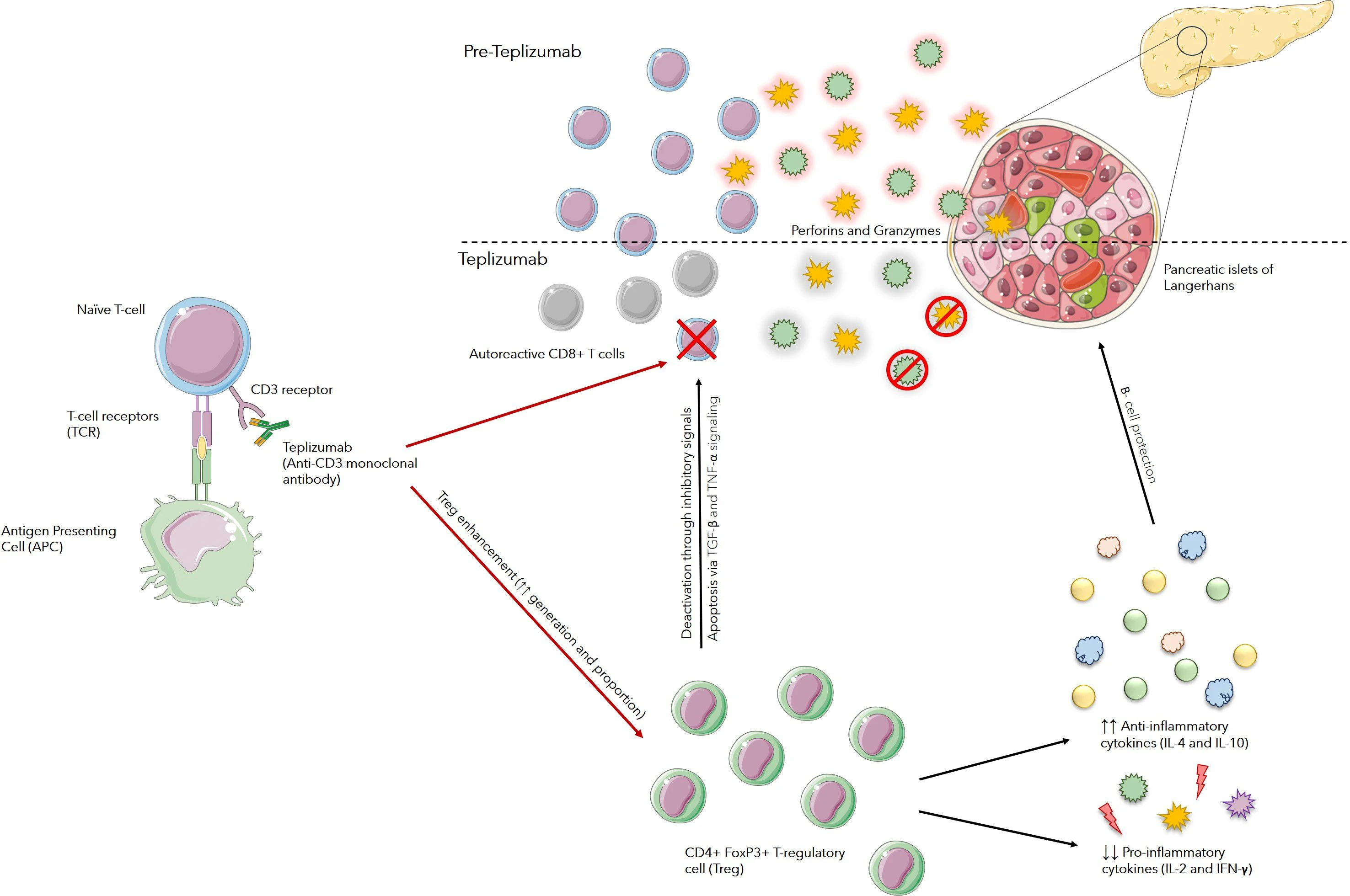
The UK regulator licensed teplizumab on 14 August 2025, saying it delayed the onset of stage 3 disease by an average of three years. TrialNet said the original study showed a median delay of just over 24 months. NICE has now said the NHS in England has 90 days to set up services, while Wales has 60 days to make the treatment available. Diabetes UK called the decision a landmark and the start of a new age of type 1 diabetes treatment, while Breakthrough T1D UK said it opened a new era in care.
Sources
- [1]bbc.com
- [2]gov.uk
- [3]nice.org.uk
- [4]diabetes.org.uk
- [5]breakthrought1d.org.uk
- [6]trialnet.org