Health
NHS data reveals nearly 3,000 patients a day in corridor care
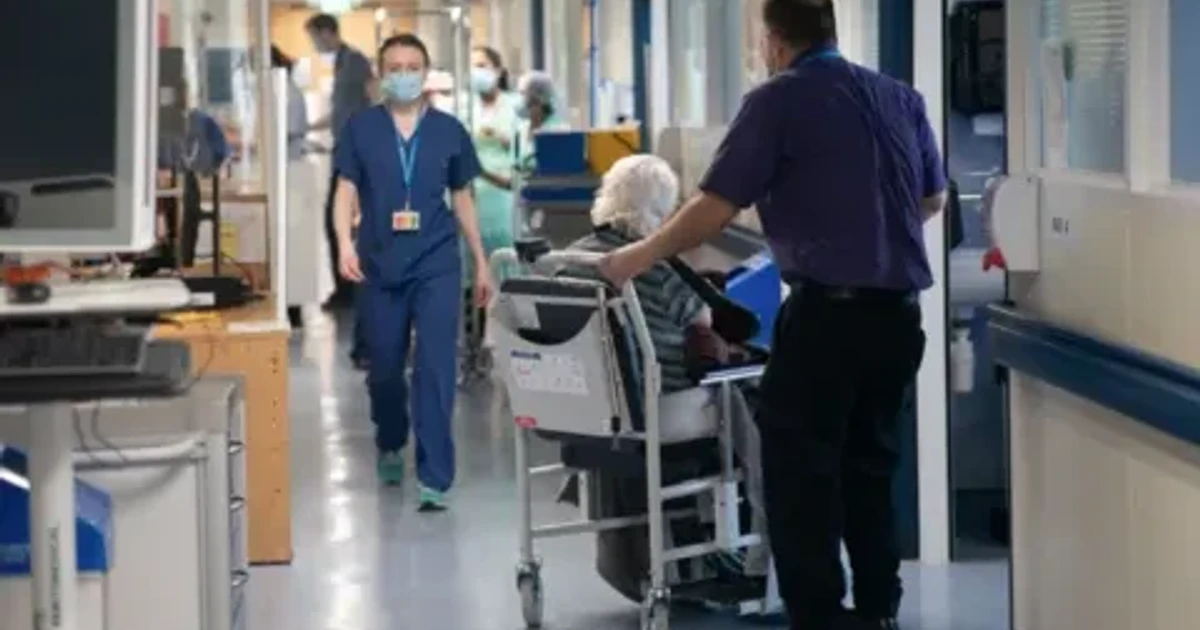
More than 2,200 patients a day were treated in corridor care in A&E in May, with another 669 a day in similar inappropriate hospital settings elsewhere, exposing a daily total close to 3,000 people receiving care outside proper clinical space. The figures turn corridor care from an anecdotal complaint into a system-capacity failure, showing how often patients are being pushed into makeshift areas that compromise privacy, slow treatment and blur the line between temporary pressure and routine practice.
NHS England has now published a formal definition for corridor care and said monthly data will be released from May 2026, creating the first national baseline for a problem that has long been tracked only indirectly. The definition covers patients who spend more than 45 minutes in a clinically inappropriate area, including people in emergency departments waiting for assessment, admission or transfer, and patients on general and acute wards receiving care outside a bed space. Ambulance handover delays are excluded and reported separately. NHS England has described the collection as experimental and immature, saying the guidance was refined after its first issue in March 2026 and that the data quality will evolve as reporting matures.

The scale of demand behind the figures is also stark. May was the busiest month on record for A&E attendances in England, with 2,457,398 attendances, while the waiting list for routine hospital treatment had climbed again to an estimated 7.22 million treatments by the end of April. NHS England says the monthly corridor-care returns will be used to monitor whether interventions are working, but the new definition also raises a harder question: whether setting a national threshold finally clarifies the crisis, or risks normalising a level of unsafe care that should have no place in an acute health service.
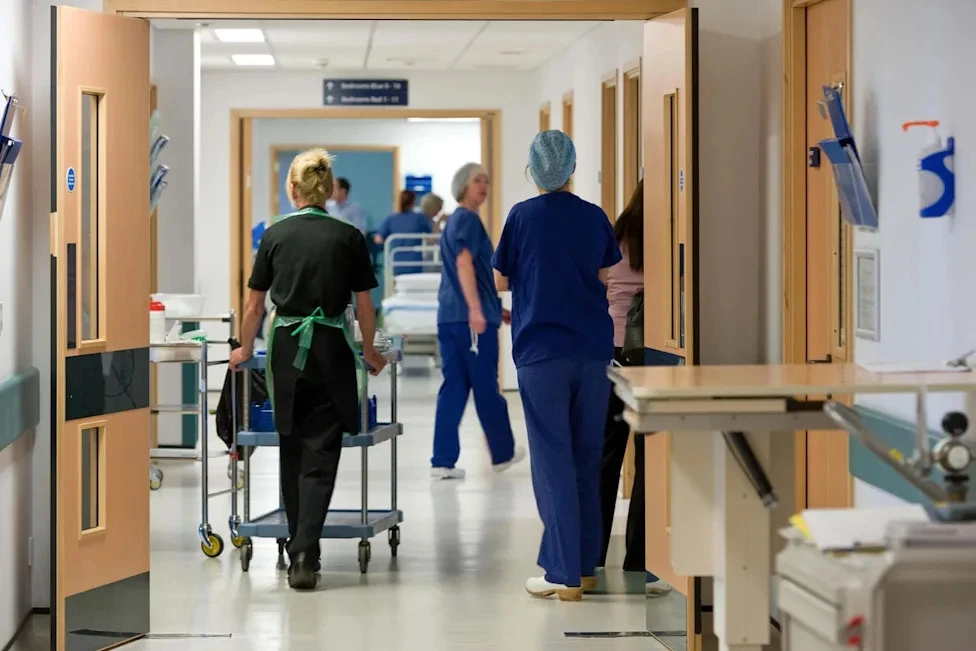
Pressure on ministers has already forced a policy response. On 11 April, the government said specialist NHS teams would be deployed to the most affected trusts and announced 40 new or expanded urgent care sites in England under a £215.5 million programme, including 10 new urgent treatment centres, four expanded urgent treatment centres, five new same-day emergency care services and 21 expanded same-day emergency care services. Wes Streeting’s department has pledged to end corridor care by the end of this Parliament.

Professional bodies say the new data only confirms what frontline staff have been warning for months. The Royal College of Nursing said the 45-minute threshold could undercount the true scale of the problem, while the Royal College of Physicians pointed to long-running failures in social care and hospital capacity. The British Medical Association called the definition only a small step. Royal College of Emergency Medicine research in November 2025 found 19% of patients in sampled type 1 emergency departments were being treated on trolleys or chairs in corridors, 34.5% of respondents had patients cared for in ambulances outside their department, and 78% believed patients were coming to harm. The message from the new national figures is blunt: corridor care is no longer a winter outlier, but a persistent sign of an NHS under strain.
Sources
- [1]bbc.com
- [2]england.nhs.uk
- [3]gov.uk
- [4]rcem.ac.uk
- [5]rcn.org.uk
- [6]rcp.ac.uk
- [7]bma.org.uk