Health
NHS England launches marathon-a-month walking challenge with rewards

NHS England unveiled a marathon-a-month walking challenge that will ask people to build about 30 minutes of walking into each day and log the effort for rewards. The scheme, developed with former Olympic medallist Sir Brendan Foster, is due to launch early next year under England’s 10-year health plan and aims to sign up more than 100,000 people.
The design is deliberately simple. Anyone taking part will be able to record walks online or through a phone or smartwatch, with daily statistics tracked digitally. Those who complete the challenge will be eligible for rewards that could include incentives and discounts. NHS England is paying for the initial set-up, while the broader rollout is expected to seek philanthropic backing from major corporates as participation grows.
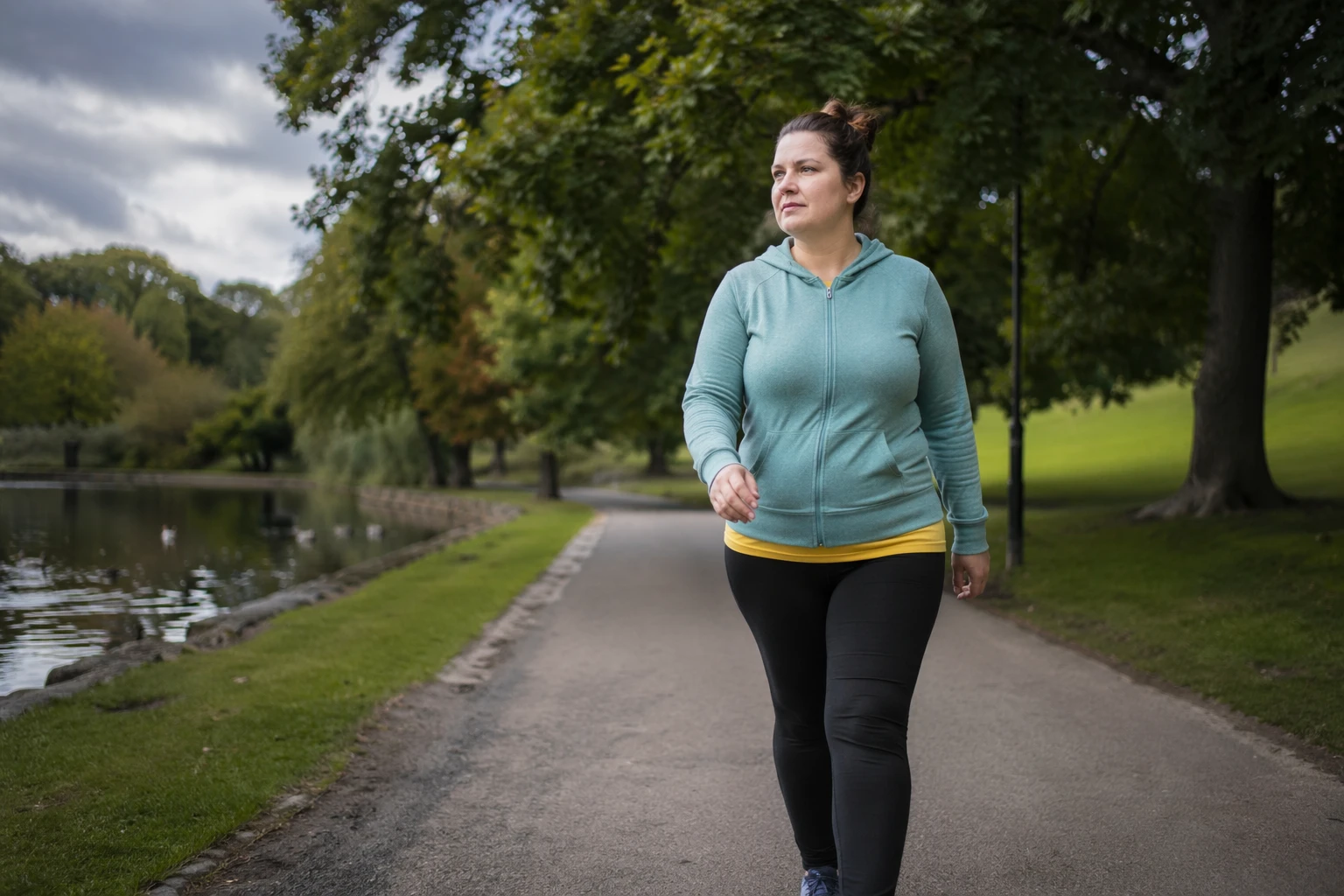
The pitch rests on a hard health problem. NHS England says physical inactivity is associated with one in six deaths and defines inactivity as doing less than 30 minutes of moderate-intensity equivalent physical activity a week. Sport England data cited alongside the scheme showed that nearly a quarter of adults, about 12 million people, were in that category in the year to November 2025. That leaves a large audience far below the Chief Medical Officers’ guideline of 150 minutes of moderate-intensity activity a week.
Sir Brendan Foster, who founded the Great North Run, has framed the campaign as a straightforward push to get people walking. If the target of more than 100,000 participants is reached, he said it would amount to the biggest marathon in history. The programme is also being built to tap into streak culture, the habit-forming logic familiar from apps such as Snapchat and Duolingo, where daily repetition is rewarded with visible progress.

That design may help people who already have some routine, a phone or smartwatch, and enough time to log a daily walk. It may be less effective for the least active patients, the group NHS England most needs to move, because the scheme still depends on the very habit it is trying to create. Some younger people reacting to the idea said small walking targets would be easy to fit in and free rewards could be an incentive, which suggests the offer may land best with those already close to participation rather than those furthest from it.

The challenge now is whether rewards and digital nudges can change public health at scale, or whether the scheme mainly ends up rewarding people who were already able to walk their way into it.
Sources
- [1]bbc.co.uk
- [2]ca.news.yahoo.com
- [3]england.nhs.uk