Health
NHS plans walking rewards scheme to boost daily exercise
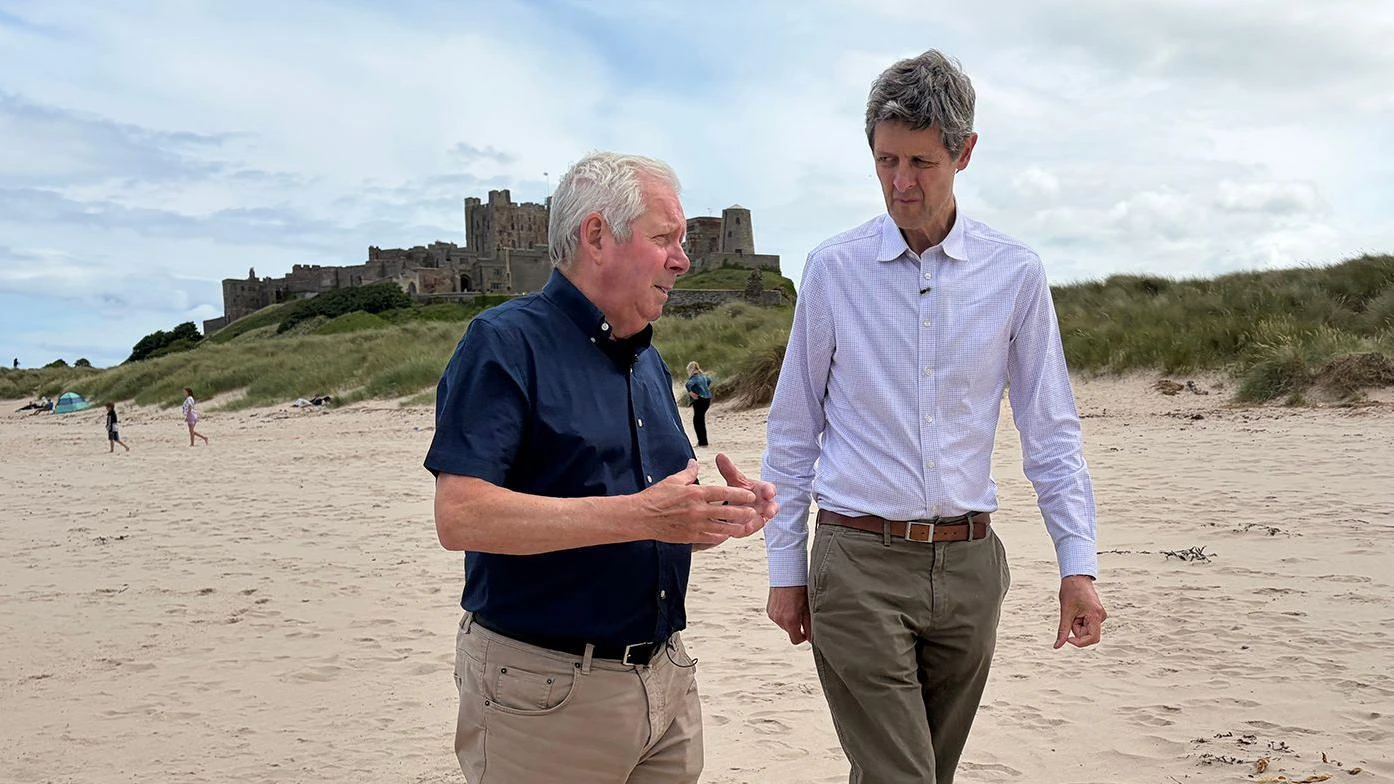
NHS England is preparing a walking rewards scheme that would turn half an hour of daily movement into a “marathon a month” challenge, rewarding people with discounts, shopping vouchers, digital badges, medals and other incentives. The plan is being developed with Olympic medallist Sir Brendan Foster, founder of the Great North Run, and some reports say Sir Keith Mills, the Air Miles inventor, is also involved.
The scheme is expected to launch early next year, with one account putting the start in January 2027. Participants would log their walks online, through a phone or on a smartwatch, and the target is framed as roughly 26.2 miles over 30 days, the distance of a marathon. One report says NHS England is aiming for more than 100,000 sign-ups.
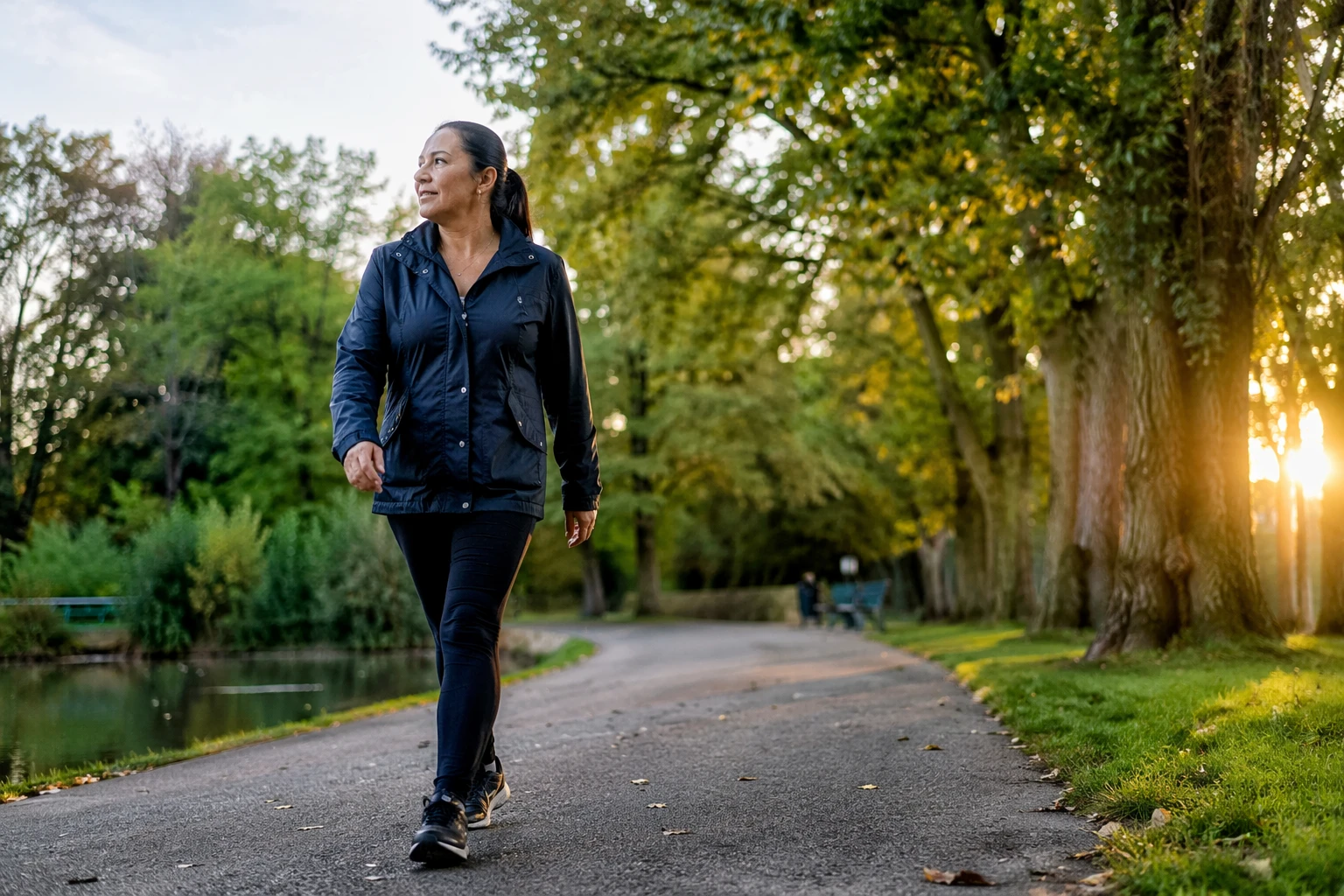
The new push lands in a policy space where the NHS already has a clear answer on daily movement: adults should aim to be active every day, and a brisk walk is one of the simplest ways to do it. NHS Better Health guidance says a daily walk can boost the body, lift mood and make ordinary tasks feel easier, while existing NHS advice urges people to fold walking into routine life by walking part of the journey to work, taking the stairs instead of the lift, walking to the shops and walking after dinner. The NHS already uses the Active 10 app to track walking and nudge people toward goals and rewards.
That matters because the health service has long said physical inactivity is tied to poorer health outcomes, wider inequalities and higher demand on NHS services. In that sense, the walking rewards plan is not just a lifestyle campaign but a test of whether small incentives can pull more people into habits that are cheap, repeatable and easier to sustain than a gym membership or a short burst of motivation. The appeal is obvious: it tries to make exercise measurable, visible and immediate, borrowing from the digital streak culture that keeps people coming back day after day.

The harder question is whether rewards can reach beyond those who already have the time, confidence and devices to log their activity. A scheme built around apps, phones and smartwatches may work well for people already comfortable with digital tools, but it will still have to prove it can shift behavior in communities where inactivity is most closely tied to inequality, ill health and pressure on the system.
Sources
- [1]bbc.co.uk
- [2]lbc.co.uk
- [3]yahoo.com
- [4]england.nhs.uk
- [5]nhs.uk
- [6]nature.com