Health
NHS warns flip-flops and sandals can worsen heel pain
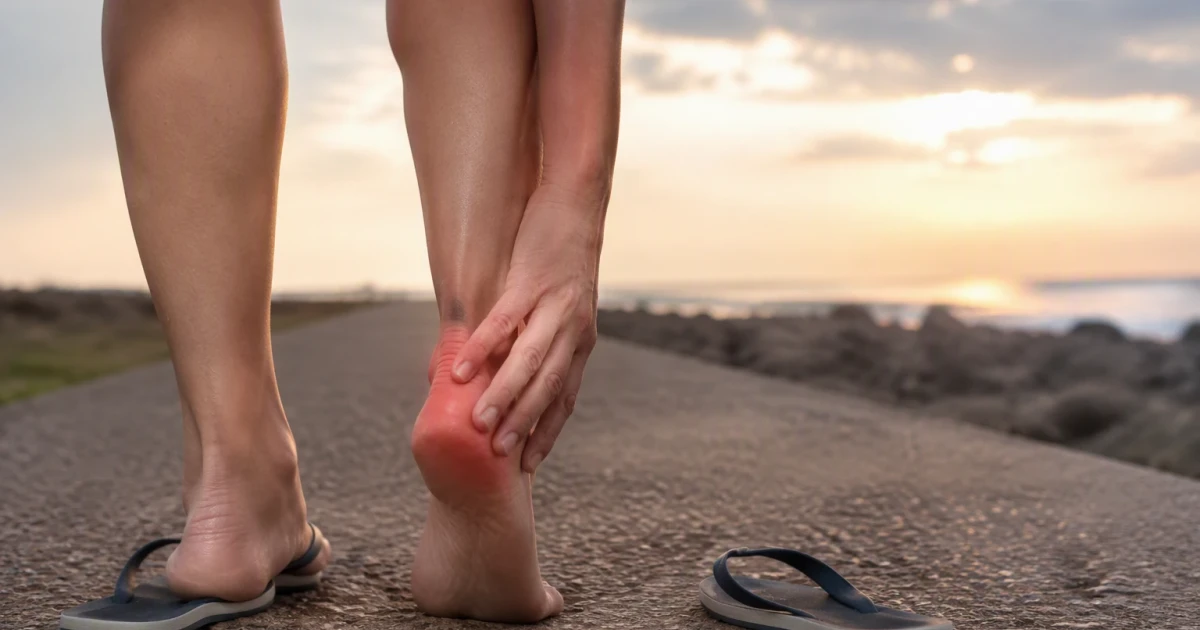
Flat flip-flops, loose sandals and slip-on shoes can put extra strain on the heel and arch in hot weather. Unsupportive footwear can aggravate plantar fascia pain, turning a simple summer shoe choice into a trigger for plantar fasciitis and other foot problems.
Why certain sandals make heel pain worse
The plantar fascia is a strong band of tissue that helps support the arch of the foot. When it is irritated, plantar fasciitis causes pain on the bottom of the foot, around the heel and arch, and that pain is often sharpest with the first steps in the morning or after a period of rest. It is a painful condition caused by repetitive strain to this tissue, which connects the heel bone to the toes and helps reinforce the arch.
Flat footwear is a problem because it usually gives the foot little structure. NHS trust leaflets from TIMS NHS, Kingston and Richmond NHS Foundation Trust, Sherwood Forest Hospitals NHS Foundation Trust, Hull University Teaching Hospitals NHS Trust and Dorset HealthCare University NHS Foundation Trust advise avoiding flat and unsupportive footwear like flip-flops, sandals and slip-on shoes where possible. Without arch support and a rigid sole, each step can place more load through the plantar fascia, especially on hard surfaces.
Unsupportive sandals and flip-flops can also contribute to Achilles problems, heel pain and fat pad syndrome, which can all make walking uncomfortable. Open-backed shoes can also let the foot move more inside the shoe, forcing the toes to grip and the heel to work harder to keep the foot in place.
Who is most at risk
Plantar heel pain is far from rare. NHS Lanarkshire describes it as by far the most common condition affecting the foot and says one in ten people will develop it at some point in their life. NHS Lanarkshire says it is most common in people aged 40 to 60, though it can happen at any age, and women are twice as likely as men to develop it. The condition is also common in athletes, where repeated impact and loading can irritate the plantar fascia.
Someone already prone to heel pain, or someone who stands for long periods, exercises regularly or has a history of foot problems, is more likely to notice symptoms flare when support disappears. For these groups, even a short stretch in flimsy sandals can be enough to bring on pain that lingers into the next day.
When heel pain needs attention
Pain usually improves with self-care, but NHS guidance on plantar fasciitis says to see a GP if it does not improve within two weeks. Heel pain that keeps returning, or becomes more intense with walking, can be a sign that the tissue is not settling.
The pattern of pain can also offer clues. Plantar fasciitis typically hurts most on the first steps in the morning and after rest, which reflects how the tissue tightens and then strains again as weight is put through it. If pain is concentrated at the heel and arch, and it is worst when moving after sitting or sleeping, the plantar fascia is a likely culprit.
A safer sandal checklist
Supportive summer footwear does not have to be bulky. Look for shoes that hold the foot in a stable position and reduce strain on the arch.
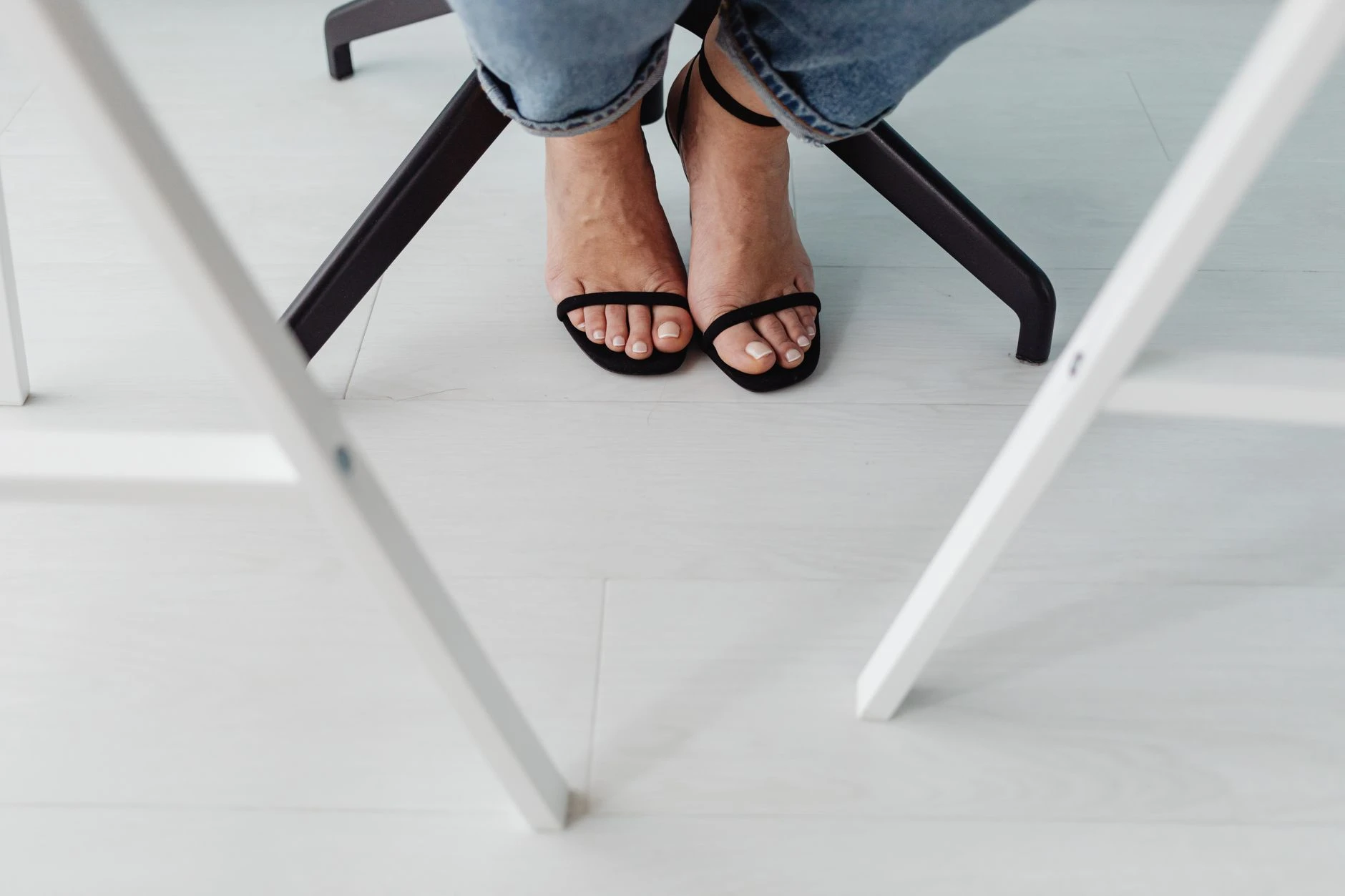
A safer pair usually has: • Arch support to reduce pull on the plantar fascia • A firm or rigid sole that does not twist easily • A secure heel cup so the back of the foot is held in place • Proper sizing, with enough room for the toes but no excess slipping • Adjustable straps that let the shoe fit the foot, not just the label size
The other side of the checklist is just as important: avoid worn-out footwear. Even a sandal that once had structure can lose support over time, especially if the sole compresses or the straps stretch. Once that happens, the shoe may look intact but behave like a flat, unsupportive slipper.
Cracked heels are part of the same summer problem
Foot pain in warm weather is not limited to the arch. A 2025 NHS leaflet on cracked heels says heel fissures are more common in summer because of hot weather and open-backed sandals. Open backs leave the heel less protected and more exposed to drying, friction and pressure.
Cracked heels may seem minor compared with plantar fasciitis, but they can make walking painful and can be harder to manage if the skin becomes split or inflamed. The same sandals that leave the arch unsupported can also leave the heel exposed.
Sources
- [1]bbc.co.uk
- [2]nhs.uk
- [3]nhslanarkshire.scot.nhs.uk
- [4]tims.nhs.uk
- [5]ouh.nhs.uk
- [6]hacw.nhs.uk
- [7]esht.nhs.uk
- [8]sfh-tr.nhs.uk
- [9]hey.nhs.uk
- [10]cnn.com
- [11]health.com