Technology
NHTSA investigates Tesla crash that killed Texas homeowner
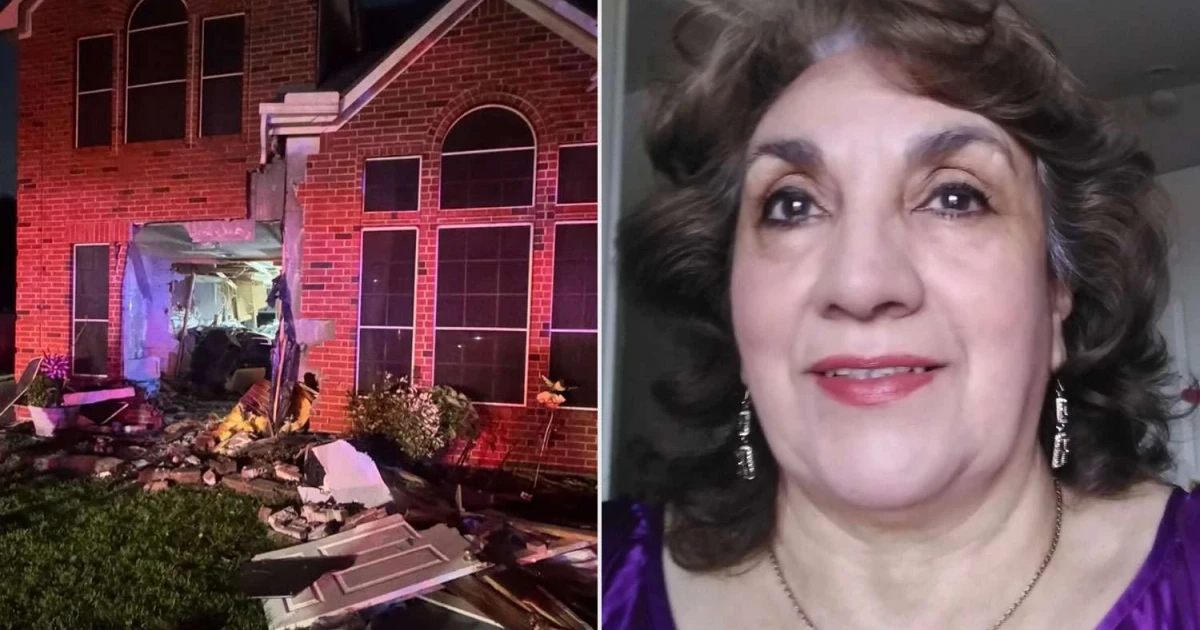
A Tesla Model 3 left a Katy street, slammed through a brick home and killed 76-year-old Martha Avila inside, turning a neighborhood wreck into another high-stakes test of Tesla’s driver-assistance claims. Federal investigators opened a special crash investigation as the company and local officials began assembling the vehicle data, video and witness accounts that may determine whether Autopilot was engaged, overridden or not functioning as Tesla says.
Michael Butler, the driver, told authorities the car was operating with an automated driving-assistance system, and Harris County authorities said he showed no signs of intoxication. Investigators were also reviewing surveillance video that showed the Tesla traveling at high speed before the impact. The crash happened Friday, June 19, 2026, around 8 p.m., and no charges had been filed as of June 22.
Tesla moved quickly to challenge the suggestion that Autopilot alone caused the fatal wreck. Elon Musk said on X that the crash “makes no sense,” arguing the vehicle was moving too fast for the system. Ashok Elluswamy, Tesla’s vice president of Autopilot, said the driver manually overrode the technology by pressing the accelerator to 100% in a residential area, pushing the Model 3 to 73 mph. Those claims remain under investigation, and the distinction matters because federal regulators are still trying to determine what the car’s software recorded and what the driver did behind the wheel.
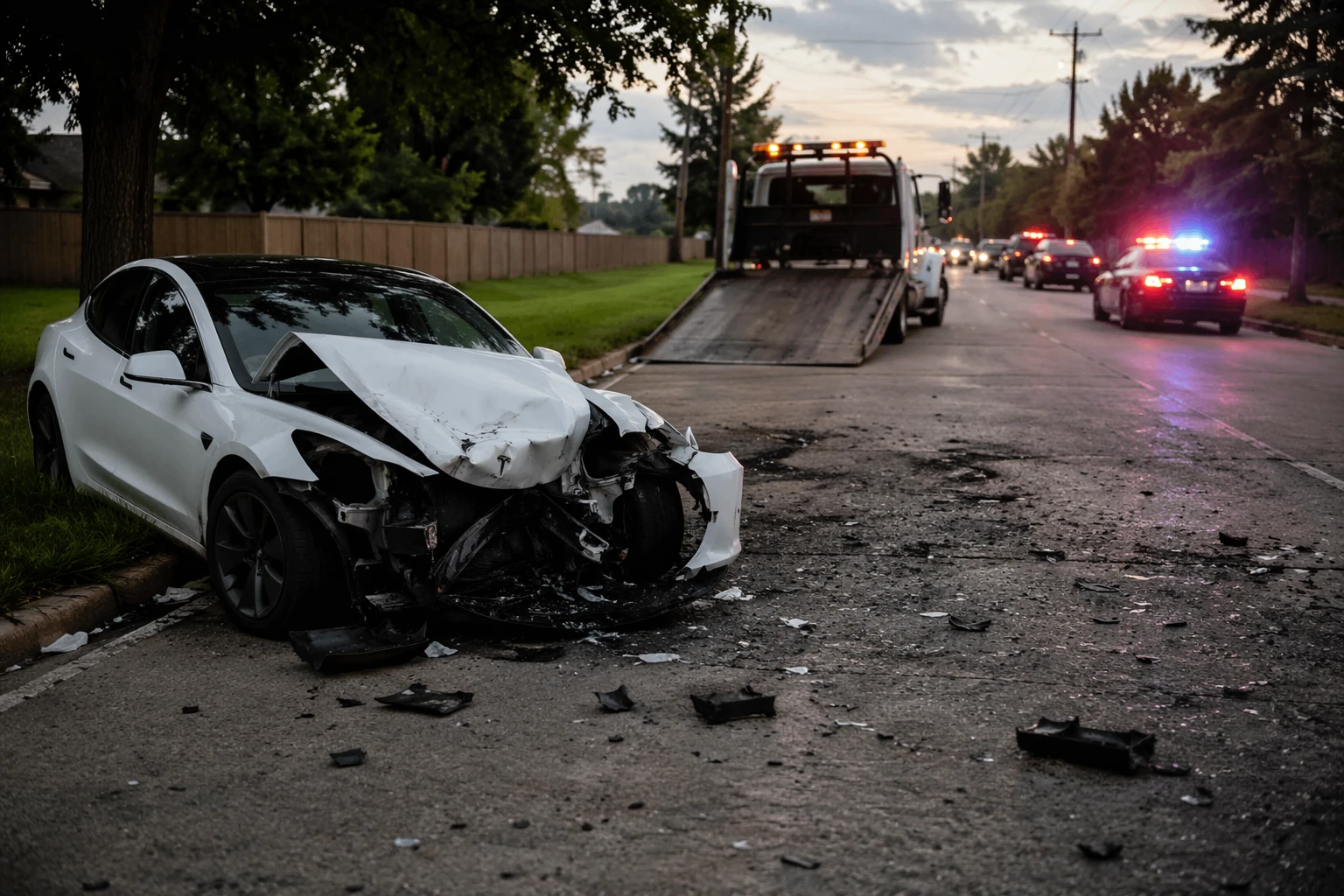
That evidence gap is central to the case. If logs show Autopilot was active, investigators will need to determine whether the system failed to slow the car or whether Butler intervened. If the accelerator was fully depressed, the liability picture shifts toward driver conduct rather than software performance. Either way, the crash adds to pressure on Tesla, which has repeatedly faced scrutiny over how its partially automated systems are marketed and understood by drivers.
The National Highway Traffic Safety Administration has opened more than three dozen special crash investigations involving Tesla’s partially automated driving systems since 2016. The new Katy case recalls a 2021 Tesla crash in Spring, Texas, where the National Transportation Safety Board later found both the driver and passenger seats were occupied and said the vehicle reached 67 mph in the five seconds before impact. In that case, investigators spent months sorting out whether Autopilot was engaged and whether the driver was pressing the accelerator, underscoring how much can hinge on the final data trail. For Martha Avila’s family, the answer may decide more than how the crash happened. It may shape how much trust consumers place in Tesla and how aggressively federal oversight follows.
Sources
- [1]techcrunch.com
- [2]cnbc.com
- [3]cbsnews.com
- [4]ntsb.gov
- [5]abcnews.com