US News
NHTSA warns driverless cars must not block first responders
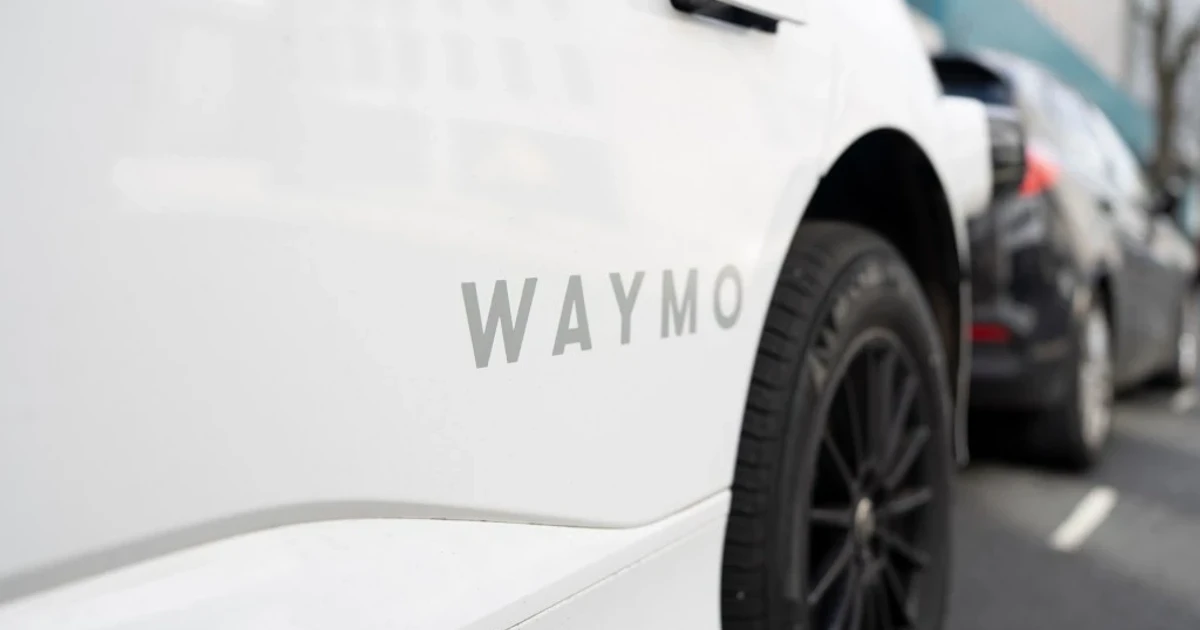
On July 8, 2026, the National Highway Traffic Safety Administration said automated vehicle developers cannot let driverless cars interfere with first responders or law enforcement. Jonathan Morrison, who leads NHTSA and oversees the national 911 and emergency medical services programs, said emergency scenes are not “edge cases” and warned that companies must quickly address a pattern of incidents.
In San Francisco and Austin, first responders said Waymo robotaxis had blocked fire stations, frozen at intersections and otherwise gotten in the way during active emergency responses. NHTSA said driverless vehicles that interfere with law enforcement and other responders can endanger the general public, especially when minutes matter and emergency crews need open access to streets, station doors and active incident zones.
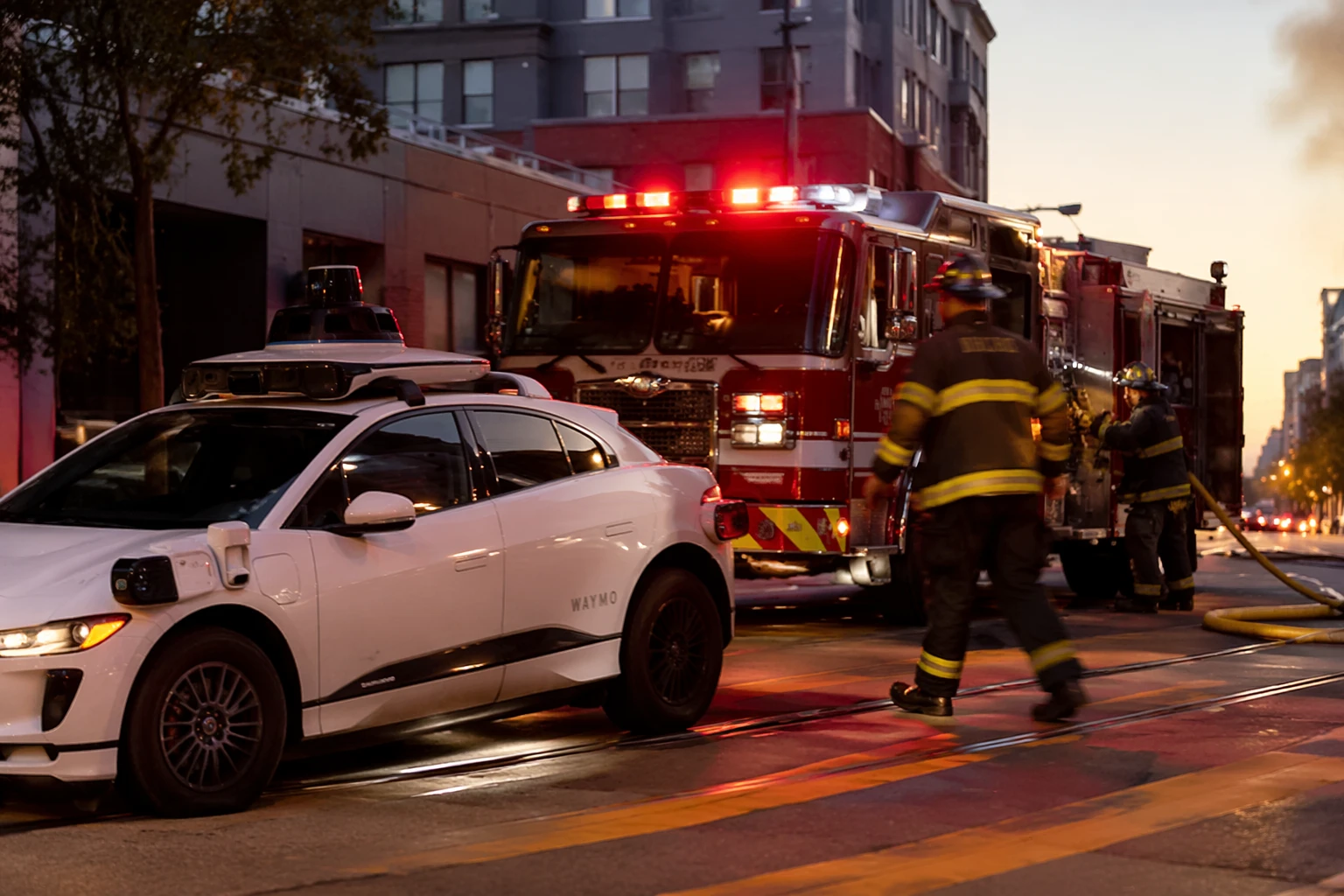
California has already moved to tighten oversight of autonomous vehicles. The California Department of Motor Vehicles approved new rules in 2026 that took effect on July 1, 2026, requiring companies to respond to first-responder calls within 30 seconds. The state also authorized local emergency officials to issue electronic geofencing directives to clear autonomous vehicles from active emergency zones, giving fire and police commanders a new tool to push cars away from dangerous scenes.
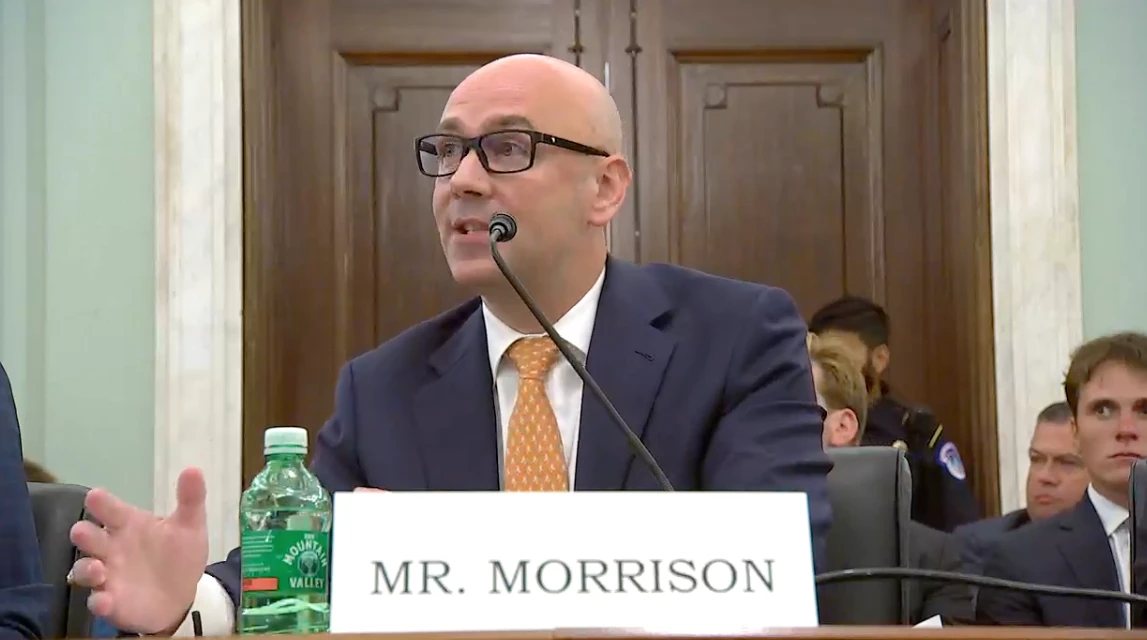
NHTSA has been developing a broader automated-vehicle framework at the federal level, while states such as California are adding their own enforcement measures in response to day-to-day failures on city streets. Morrison's public call to action did not amount to a formal rule or recall order.
Sources
- [1]techcrunch.com
- [2]nhtsa.gov
- [3]dmv.ca.gov
- [4]actionnewsnow.com
- [5]theverge.com
- [6]autoguide.com