World
Nicaragua lawmakers move to abolish elections amid Ortega crackdown
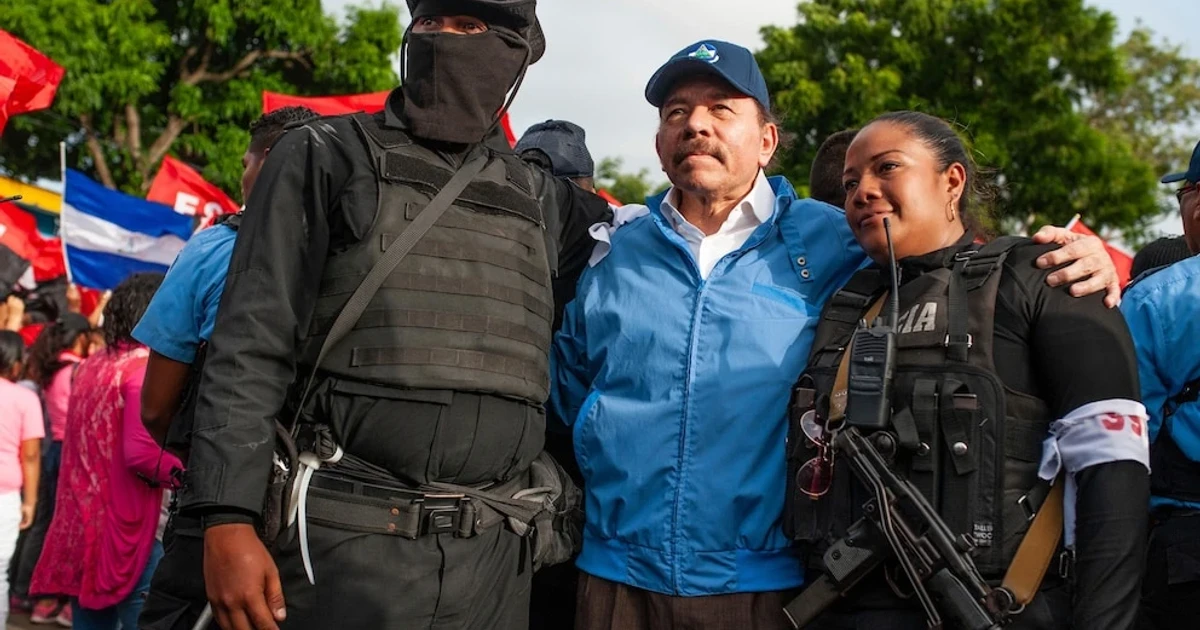
Nicaraguan lawmakers moved to abolish elections after Daniel Ortega said the country would no longer hold them. The step would wipe out the next scheduled vote, due in November 2027, and remove the possibility of an electoral challenge when Ortega’s term ends next year.
Ortega, who shares power with his wife, Rosario Murillo, has spent years tightening control over Nicaragua’s political system. Opposition parties have been marginalized, critical media silenced and institutions reshaped to reduce any meaningful challenge to the ruling circle. Ending elections would go further than the usual manipulation of ballots and results; it would strip voters of the formal mechanism used to choose leaders and leave appointments, party control or executive decree as the main instruments of rule.
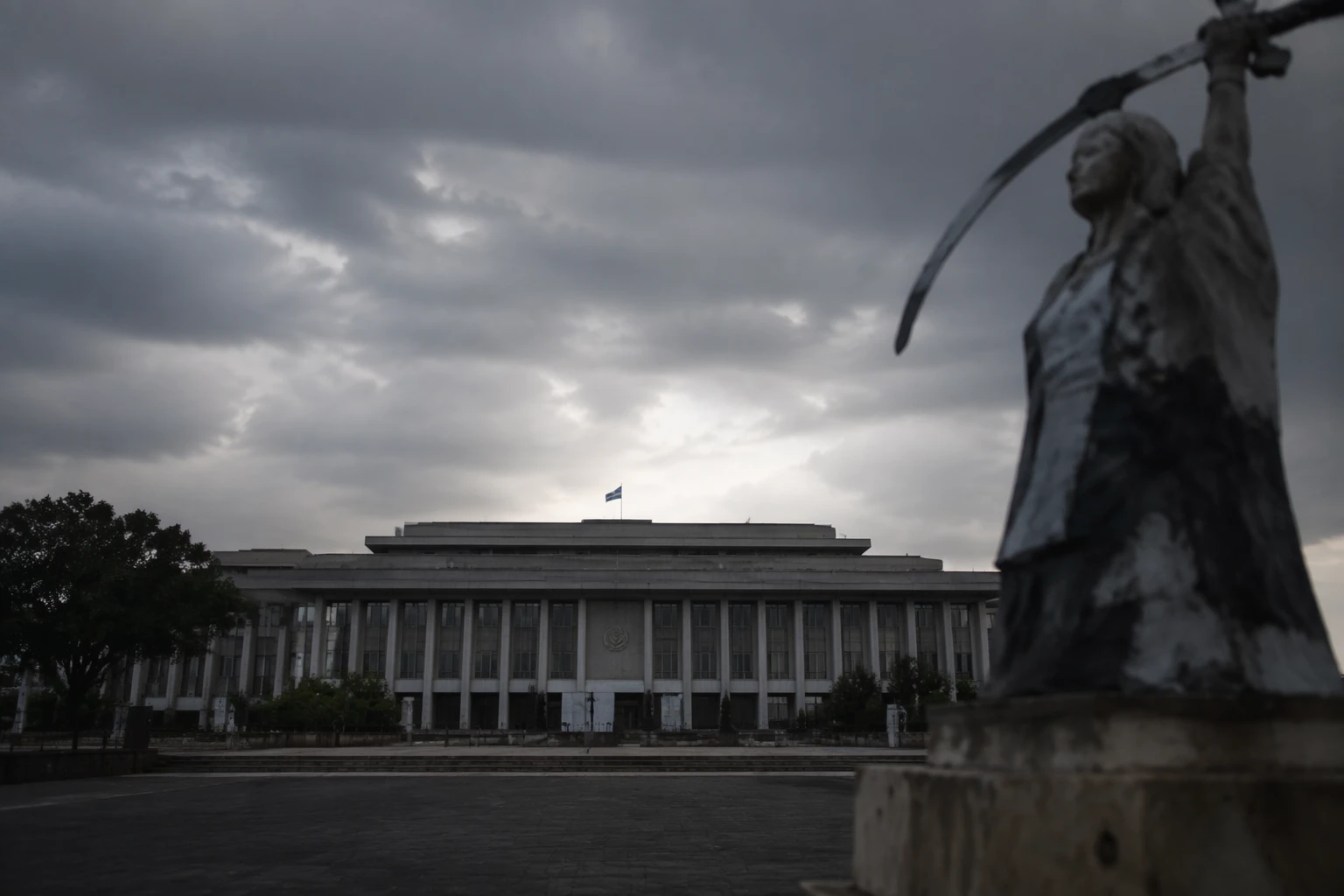
The practical consequences would be immediate for opposition figures already operating under severe pressure. Even flawed elections at least provide a public opening to organize campaigns, test support and challenge incumbents. Removing that route would deepen the barriers facing independent parties and make it harder for critics to argue that the system can still be repaired through normal democratic competition. It would also strengthen the trend toward exile, distrust in legal institutions and weaker local accountability that has defined Nicaragua’s political collapse.
The response outside Nicaragua was swift. The United States urged isolating the country after Ortega vowed to end elections. A U.S. Embassy in Nicaragua statement, titled “A Call to Action: Addressing the Murillo-Ortega Dictatorship’s Vow to Abolish Elections,” framed the move as a dictatorship’s effort to eliminate elections outright. The Human Rights Foundation also condemned the announcement as the regime’s latest assault on democracy.
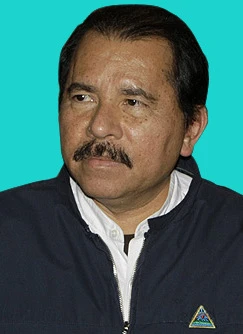
The move fits a broader pattern across Nicaragua and Central America, where democratic backsliding often advances through legal changes and legislative action rather than coups. It also undercuts any remaining claim that the country’s political system still offers a path back to competition through regular voting. With the 2027 election erased before it arrived, Nicaragua’s rulers have moved closer to governing without the one institution that, even in weakened form, gave citizens a chance to remove them.
Sources
- [1]apnews.com
- [2]reuters.com
- [3]npr.org
- [4]ni.usembassy.gov
- [5]facebook.com