Entertainment
Nick Cannon’s Comments on Democrats, KKK, and Trump Spark Debate
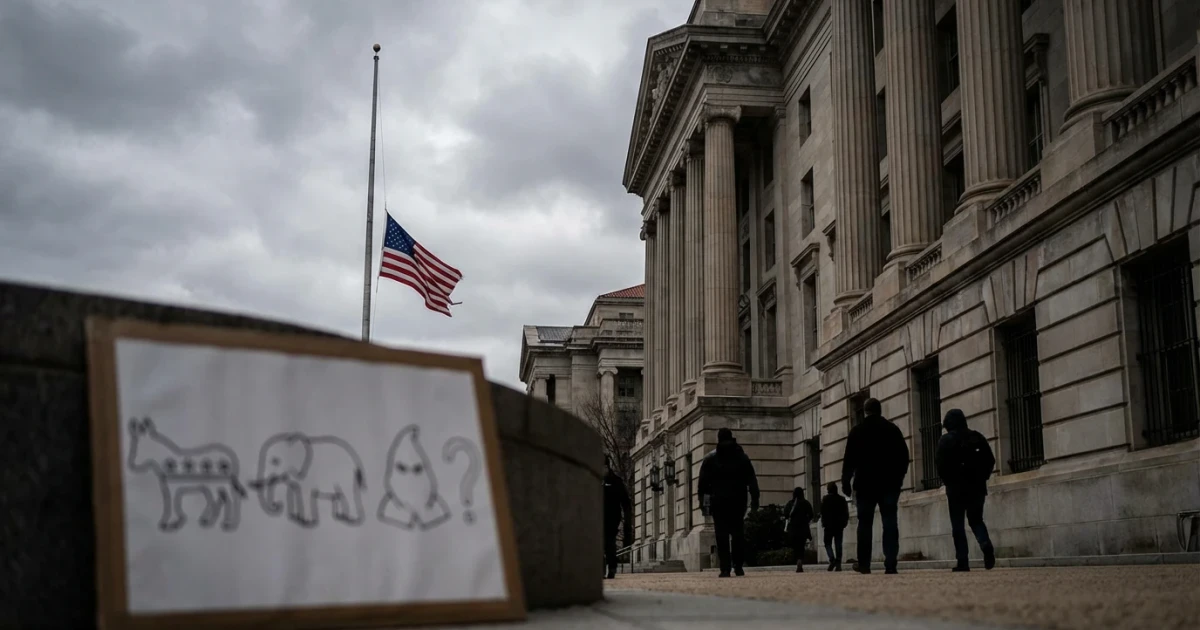
Nick Cannon, the television host and entertainer, drew widespread attention after describing the Democratic Party as the "party of the KKK" and voicing support for former President Donald Trump. His remarks, first reported by Yahoo News New Zealand, have reignited debate over the historical relationship between U.S. political parties and the Ku Klux Klan, as well as the evolution of party identities.
Context of Cannon’s Statement
Cannon’s comments were shared in a public forum, where he stated that he “f— with Trump” and called the Democratic Party the “party of the KKK.” The entertainer’s words echo a recurring theme in American political rhetoric, where party histories are invoked to challenge current allegiances. While Cannon’s statement drew immediate reaction online, it also prompted many to revisit the complex history of party politics and extremist affiliations in the United States.
Tracing the Origins: The Democratic Party and the KKK
The Ku Klux Klan, founded in the 19th century, played a notorious role in American history as a white supremacist organization. Historical records, including a briefing by the U.S. Senate, document the Klan’s violent campaign against African Americans and its influence on southern politics during the post-Civil War era. In the late 1800s and early 1900s, some Democratic politicians in the South were associated with Klan support or sympathies, a fact often cited in modern political arguments.
However, political realignment in the 20th century shifted party demographics and ideologies. The passage of civil rights legislation in the 1960s, championed by Democratic leaders, led to significant changes in the party’s base. According to a 2023 Pew Research Center analysis, the Democratic Party has since become more racially diverse and liberal, while the Republican Party absorbed much of the conservative southern vote. Fact-checking by PolitiFact notes that while the Klan’s origins were linked to Democrats, the parties’ platforms and coalitions have changed dramatically over the past century.
Legislative Response to the Klan
The federal government responded to Klan violence with the Ku Klux Klan Act of 1871, also called the Enforcement Act, designed to curb Klan terrorism and protect civil rights. The official legislative record shows bipartisan support for federal intervention, reflecting the complicated alignment of parties and regional politics during Reconstruction.
Modern Party Identity and Political Rhetoric
Today, the Democratic Party positions itself as a champion of civil rights and diversity, while the Republican Party’s base has shifted toward white, rural, and evangelical voters, as observed in recent demographic studies. Assertions that either party is singularly defined by past affiliations with extremist groups are frequently disputed by historians and political analysts.
Research from the Southern Poverty Law Center emphasizes that the Klan’s influence has waned but persists in fragmented groups, with little formal association with any major political party in recent decades.
Trump, Cannon, and Celebrity Politics
Cannon’s support for Donald Trump reflects a pattern of celebrity endorsements shaping campaign narratives. Trump himself has been a polarizing figure, attracting both prominent supporters and critics from the entertainment industry. The intersection of celebrity, politics, and provocative statements continues to influence public discourse and media coverage.
Conclusion: History and Rhetoric Collide
Nick Cannon’s remarks tap into longstanding debates about party history and identity. While the historical record confirms early associations between southern Democrats and the KKK, the evolution of party coalitions and civil rights leadership complicates comparisons to current political realities. As the 2024 election cycle approaches, such comments are likely to fuel ongoing discussions about the legacy of America’s major parties and the rhetoric used to define them.