Politics
Nigeria orders probe into Meta, Alphabet over news content use

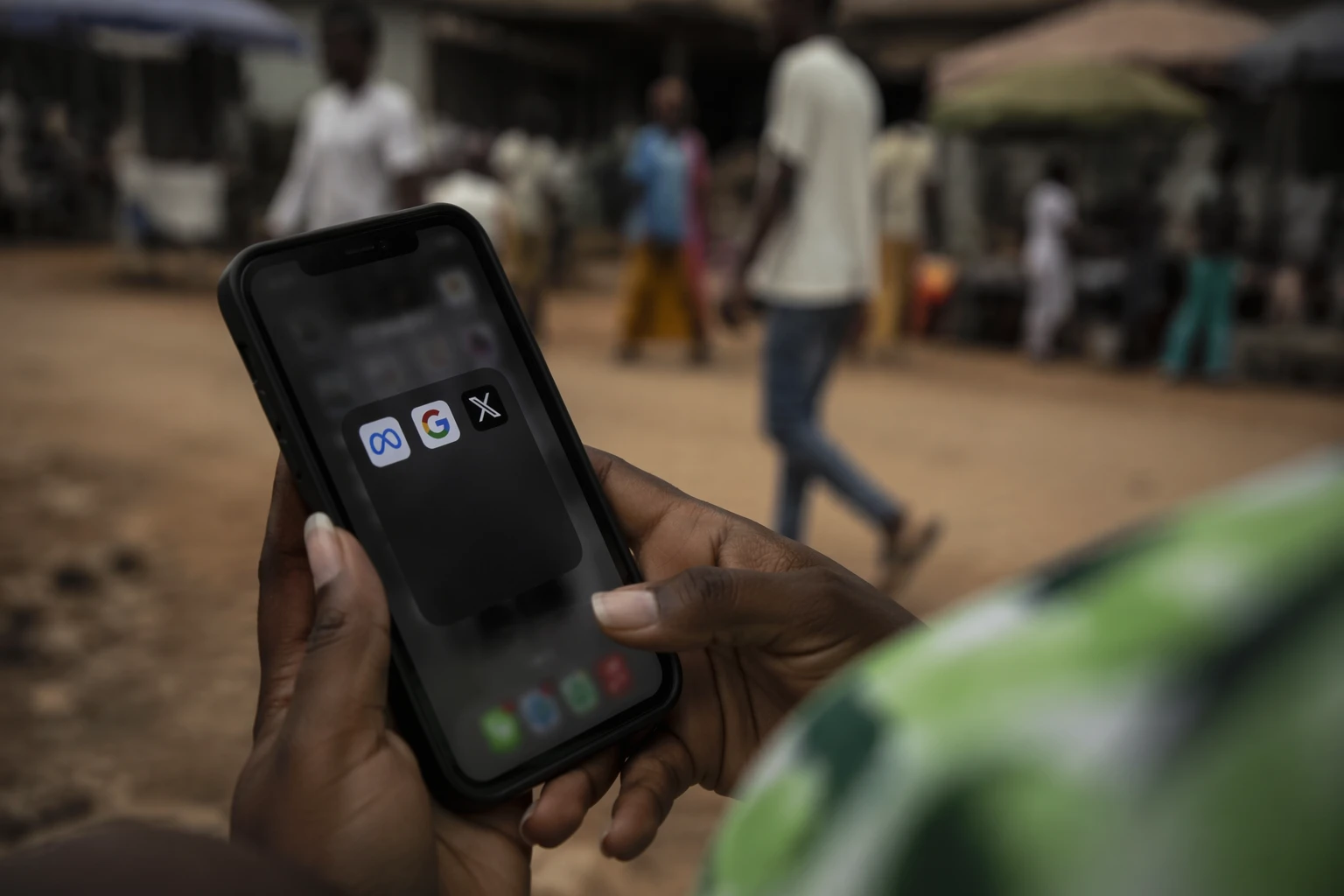
Nigeria ordered its competition regulator to investigate Meta, Alphabet, X and generative AI platforms over allegations that they used news content without fair compensation. The Federal Competition and Consumer Protection Commission launched the probe after a directive from President Bola Tinubu and a joint petition from the Nigerian Press Organisation.
The commission will examine claims of market dominance, anti-competitive conduct and the unauthorized commercial use of copyrighted news and broadcast content. It will also look at whether journalistic material was used to train generative AI models. Tunji Bello, the FCCPC’s executive vice chairman, called the inquiry independent, transparent and evidence-based. The process does not presume wrongdoing. Affected companies will have a chance to respond before any conclusions are reached.
The Nigerian Press Organisation represents newspaper proprietors, journalists’ unions, broadcasters and online publishers. Global platforms have benefited from Nigerian news content while local publishers have struggled to secure compensation, extending the dispute beyond search and social referral traffic to the reuse of copyrighted reporting and broadcast material in AI systems.
In April 2025, Nigeria’s Competition and Consumer Protection Tribunal upheld a $220 million fine against Meta, following a 38-month joint investigation by the FCCPC and the Nigeria Data Protection Commission into Meta and WhatsApp’s conduct, privacy practices and consumer data policies. The new probe broadens the scope from privacy and consumer data to media economics and AI training.
South Africa’s competition regulator secured concessions from Google and YouTube after a market inquiry, France fined Google over negotiations with publishers and content use linked in part to AI systems, and Australia and Canada have both adopted bargaining frameworks that led to payment agreements.
Sources
- [1]finance.yahoo.com
- [2]fccpc.gov.ng
- [3]reuters.com