Politics
Nigeria parliament approves bill to create state police forces

Nigeria’s parliament moved a state police overhaul closer to reality, approving a constitutional bill that would let each of the country’s 36 states establish and run its own police force alongside the federal Nigeria Police Force. The proposal is designed to answer a worsening security crisis, but it also revives a central fear in Abuja: that decentralizing policing could give governors a new tool to intimidate rivals and minorities.
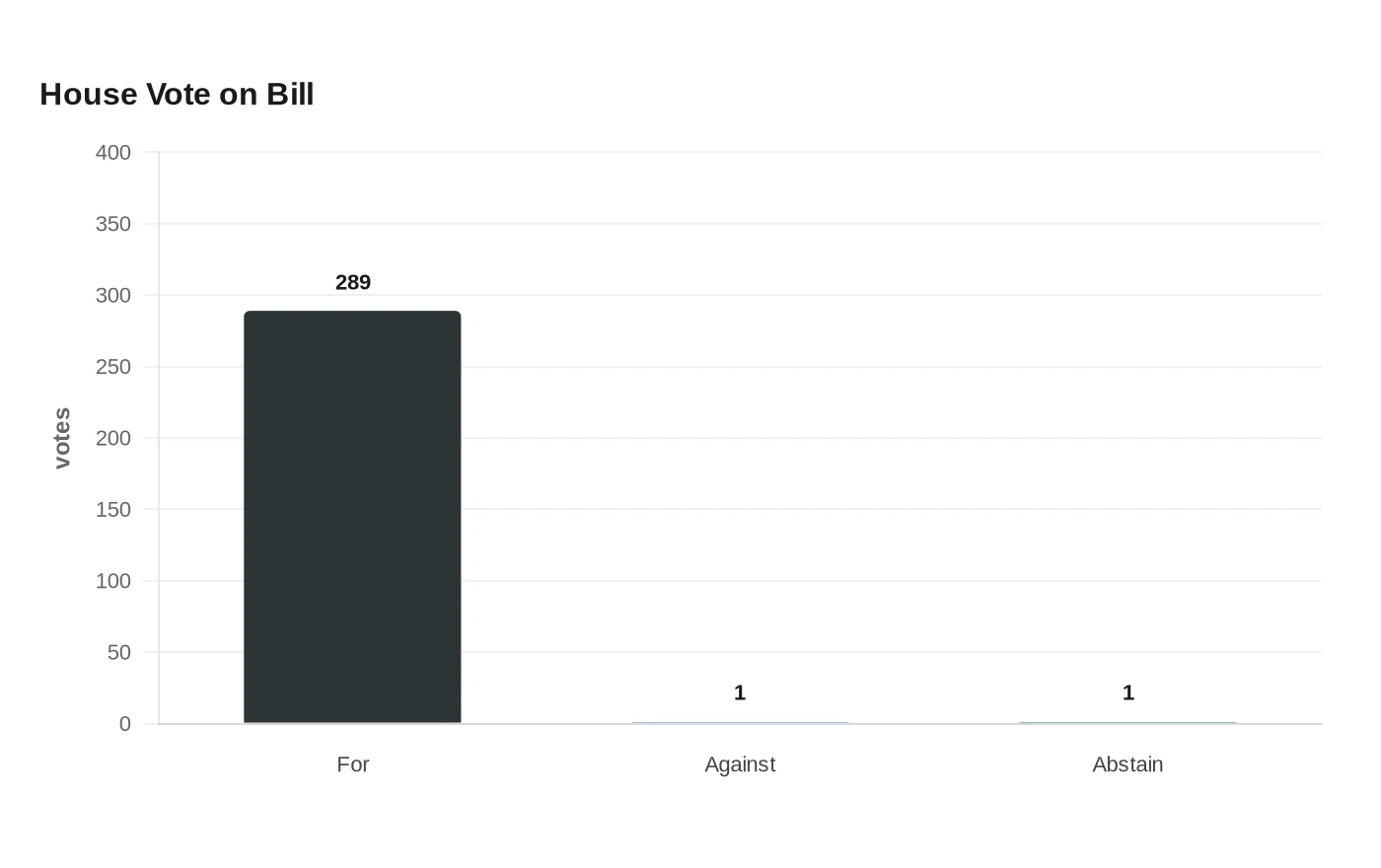
The House of Representatives passed the Sixth Alteration bill by 289 votes to one, with one abstention. The measure seeks to amend Sections 214 to 216 of the 1999 Constitution, including the clause that currently says there shall be a single police force for Nigeria and no other police force may be established for the federation or any part of it. Even after the Senate acts, the amendment would still need approval from at least two-thirds of state Houses of Assembly and then presidential assent before it could become law.
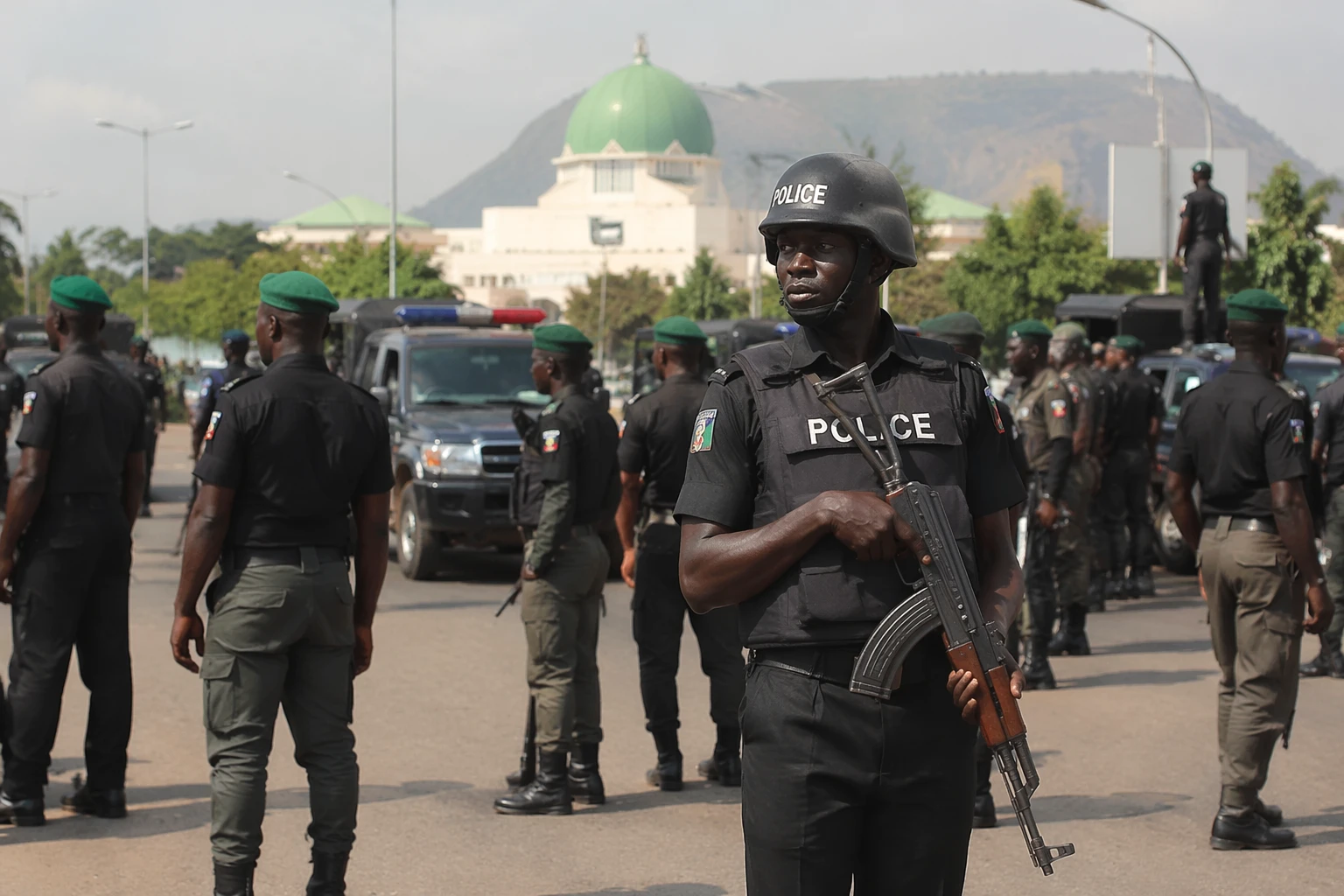
Supporters argue the central system in Abuja has become too blunt for Nigeria’s many security emergencies. Violence now spans jihadist insurgency in the northeast, banditry and mass kidnappings in the northwest, communal clashes in farming areas, separatist-linked attacks in the southeast and oil theft in the Niger Delta. President Bola Tinubu has already signaled his backing for reform, saying in September 2025 that he was ready to work with the National Assembly on a framework that would preserve local ownership while keeping the force politically neutral. In February 2026, he urged Senate leaders to speed up the constitutional changes needed to make state police possible.
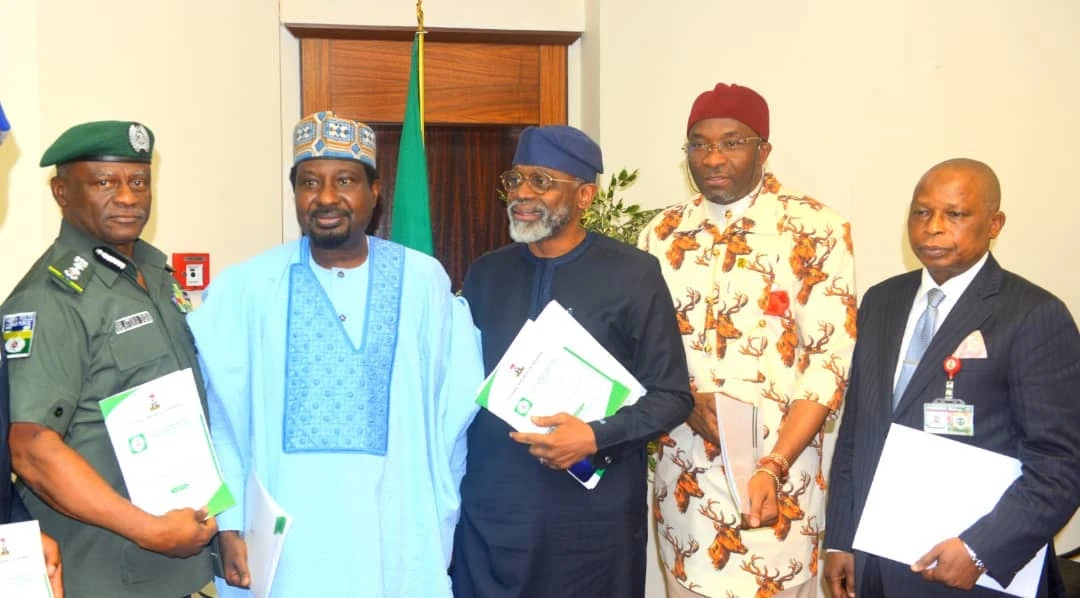
The numbers behind the debate help explain the urgency. Police historical material says the force was first established in 1820, but a 2025 assessment by the European Union Agency for Asylum estimated the Nigeria Police Force at about 371,800 officers for a population of roughly 236.7 million. That same report said more than 100,000 officers were tied up in VIP protection rather than public security, a deployment pattern that has left ordinary communities short of visible protection.
Nigeria’s broader protection environment remains difficult, especially in areas of armed conflict or where criminal gangs control territory. The United Nations Office on Drugs and Crime has linked the country’s insecurity to poverty, non-state armed groups, climate change, porous borders and governance gaps. Analysts and reform advocates say state police could improve response times and intelligence gathering because officers would know local terrain and networks better than a distant central command. Critics counter that poorer states may struggle to fund and train effective forces, and that governors could turn new police units against political opponents. The bill’s passage in the House did not settle that argument; it only pushed Nigeria one step closer to a test of whether decentralizing security will fix policing failures or simply localize them.
Sources
- [1]usnews.com
- [2]von.gov.ng
- [3]nairametrics.com
- [4]guardian.ng
- [5]gov.uk
- [6]unodc.org
- [7]npf.gov.ng
- [8]msn.com