Politics
Nigeria probes forged council appointment letter and budget scandal
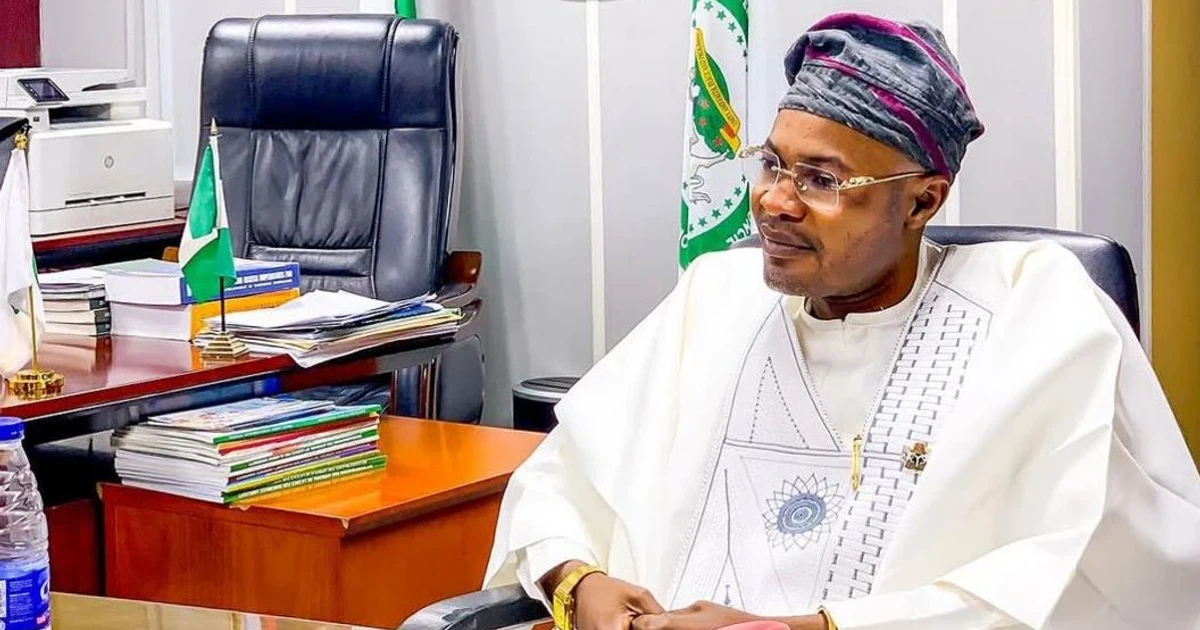
Nigeria’s presidency has ordered the Independent Corrupt Practices and Other Related Offences Commission to finish its probe within 30 days, after police filed criminal charges against Adeniyi Adeyemi Matthew over a council that should not have existed in the first place. The dispute centers on the Presidential Foreign Intervention Promotion Council, also described in some accounts as the Presidential Economic Advisory Council, which was given about 1.3 billion naira, or about $944,300, in Nigeria’s 2026 budget.
The presidency says the body had no legal existence under President Bola Tinubu and was never created by law, by presidential order or by any other official instrument. Officials say its apparent legitimacy rested on a forged appointment letter that claimed Tinubu had appointed Adeyemi as director-general, with the signature allegedly forged in the name of Femi Gbajabiamila, the president’s chief of staff. Gbajabiamila denied issuing any appointment letter from his office and said federal appointments are not made there.
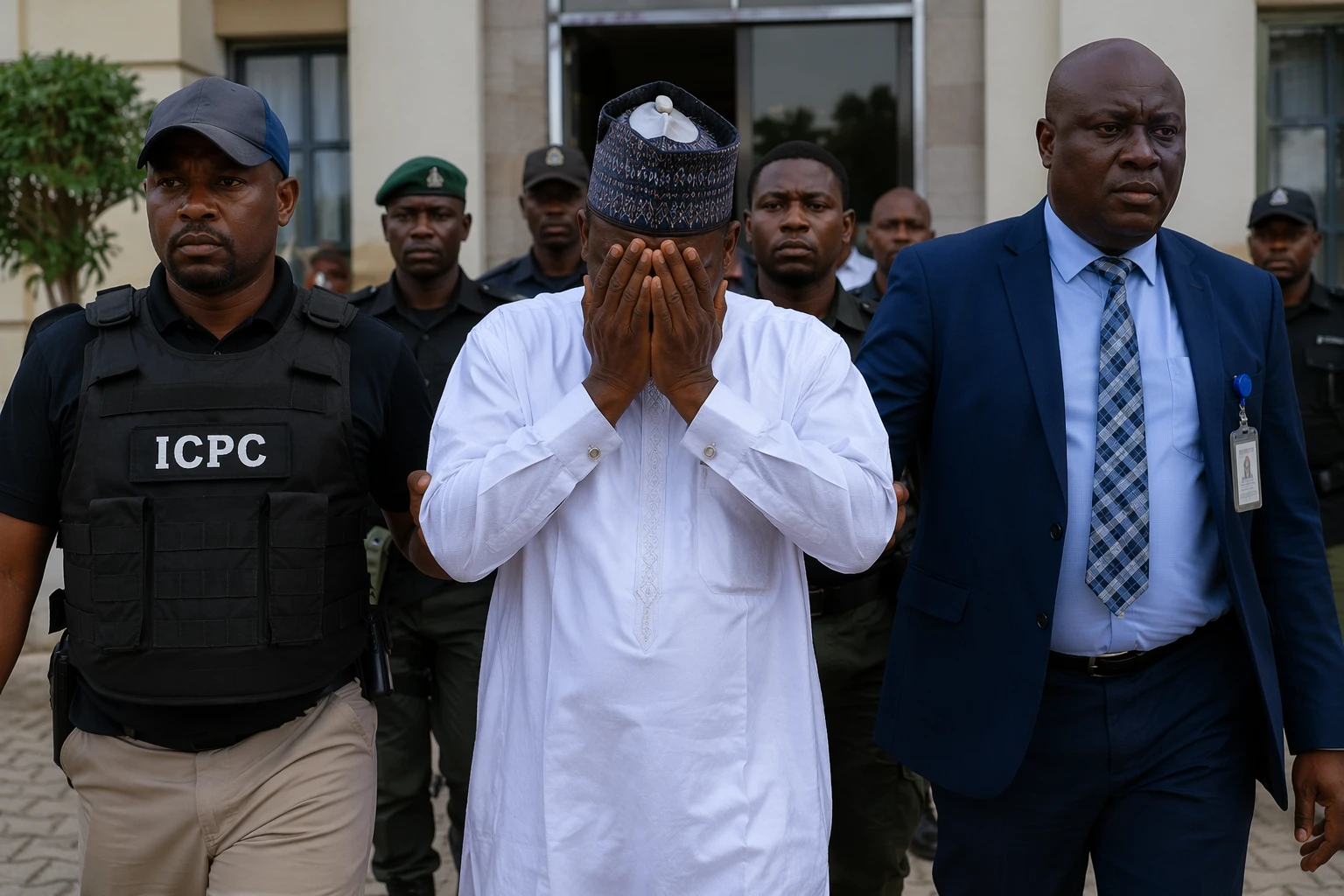
BusinessDay Investigations said Adeyemi had operated openly in Abuja for nearly two years as director-general of the PFIPC and the PEAC. The case drew wider attention after a meeting with ambassadors at the Wells Carlton Hotel in Abuja brought the Ministry of Foreign Affairs into the picture. Investigators are also looking at allegations that forged seals, reference numbers and false diplomatic recognition helped the supposed council gain access to official spaces and privileges.
The budget trail is what turns the matter from an impersonation case into a governance failure. BusinessDay said the council appeared in the 2026 appropriations bill with allocations for personnel, overhead and capital spending, while other reports put the figure at 1,302,978,784 naira. That means a body the presidency says it never created moved far enough through federal machinery to surface in a national spending plan, raising questions about the checks inside the Budget Office, the National Assembly and the ministries that should have screened the paperwork before public money was attached to it.
For a system meant to guard against fraud, the scandal shows how a forged document can travel beyond one office and into the budget process if verification breaks down. The presidency, the Ministry of Foreign Affairs, anti-graft investigators and police are now all involved, but the deeper question is how a fake presidential body got close enough to public funds to be treated like a real agency at all.
Sources
- [1]bbc.co.uk
- [2]msn.com
- [3]yahoo.com
- [4]businessday.ng
- [5]pulse.ng
- [6]thecable.ng
- [7]news24.com
- [8]vanguardngr.com
- [9]icirnigeria.org