World
Nigeria repatriates citizens fleeing anti-immigrant violence in South Africa
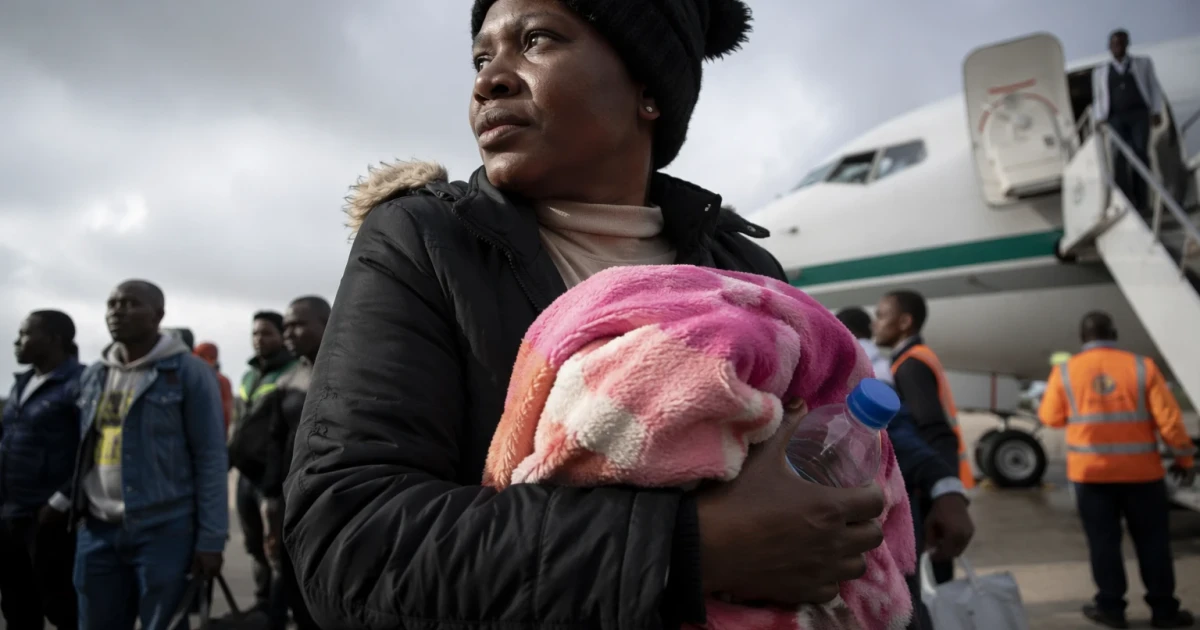
Nigeria brought home its first group of citizens fleeing anti-immigrant violence in South Africa, putting 262 passengers and three officials on a chartered flight to Lagos as governments across the continent scrambled to respond. The repatriation turned a single flight into a measure of how fragile migrant protection has become in Africa’s biggest economies, where labor pressures, unemployment and political anger have repeatedly spilled onto foreign nationals.
Nigeria’s Ministry of Foreign Affairs said screening for the voluntary return programme began on June 5 and that more than 1,000 Nigerians had registered interest in leaving South Africa. Officials in Lagos were expected to meet the returnees, underscoring the pressure on Abuja to protect its citizens abroad while also managing the domestic fallout of a sudden return of workers and families who had built lives in South Africa.
The violence that drove the evacuation has unfolded in waves since April, with reports of gangs armed with sticks, whips and shields marching through parts of South Africa and demanding that people without residency papers leave by June 30. South African authorities have publicly condemned the protests as xenophobic, and President Cyril Ramaphosa said on June 7 that the government would crack down on groups behind the violence. Pretoria also said it would dispatch special envoys to African countries and beyond after the attacks, a sign that the crisis had become a diplomatic problem as well as a policing one.
The tensions are unfolding in a country where unemployment remains above 30 percent, feeding resentment toward migrant workers even as Statistics South Africa says the country had about 2.4 million immigrants in 2022, or 3.9 percent of the population. AFP Fact Check said the June 30 deadline circulating online was fake and generated by AI, but anti-migrant activists still used the date in their messaging, adding confusion to an already combustible environment. Mozambique said five of its citizens were killed in anti-immigration violence in Mossel Bay, and Ghana, Malawi and Mozambique have all moved to repatriate citizens as the unrest spread.
The pattern is not new. Xenophobic violence has flared repeatedly in South Africa since 2008, when dozens of migrants were killed and thousands displaced, and the latest outbreaks have again exposed how quickly hostility toward foreigners can disrupt trade, labor mobility and relations between African states. With local government elections due in November, the political temperature is unlikely to cool soon, leaving return flights to Lagos and elsewhere as a stark reminder that protection for migrants across the region remains dangerously weak.
Sources
- [1]standardmedia.co.ke
- [2]abcnews.com
- [3]nytimes.com
- [4]factcheck.afp.com
- [5]statssa.gov.za
- [6]usnews.com
- [7]aljazeera.com