World
Nigeria voters weigh inflation pain as election nears
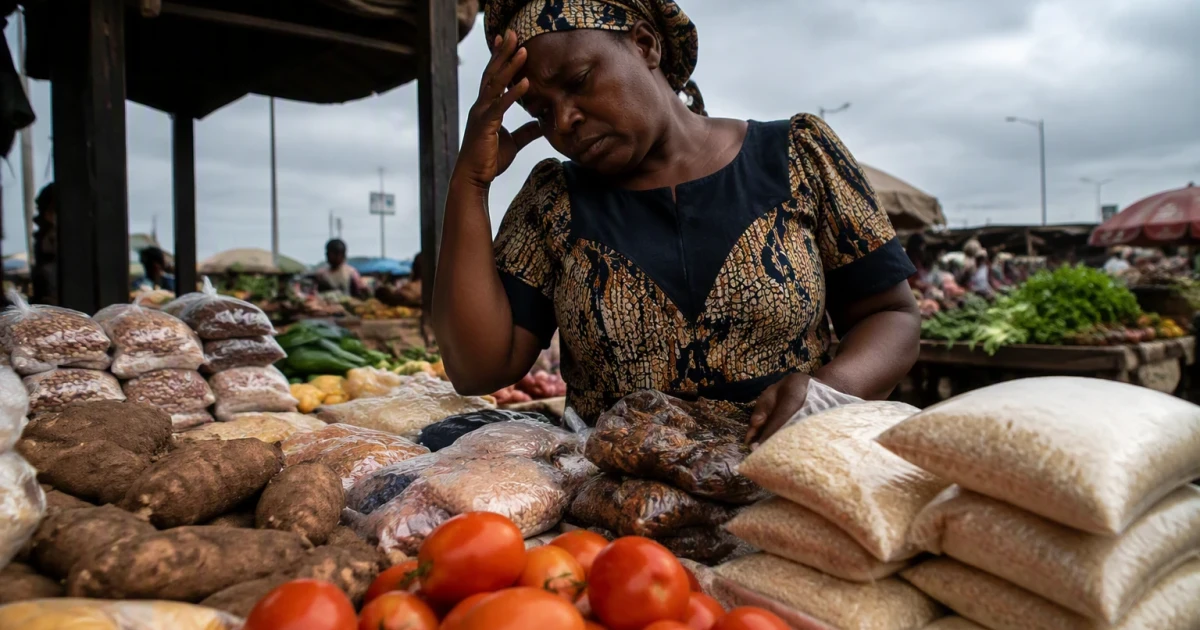
Grace Adama started her day in a two-room flat in Abuja, putting on her earrings before heading out to work, but her 135,000 naira, or about $99, monthly salary has not insulated her from Nigeria’s worsening cost-of-living squeeze. The health NGO worker earns nearly double the country’s 70,000 naira minimum wage, yet the pressure from food, transport, rent and fuel is still grinding down household budgets as an election approaches.
Nigeria’s consumer inflation rate rose to 15.38% in March, reversing an 11-month decline as food inflation surged, a reminder that prices are moving faster than wages for many workers. Years of currency weakness, rising import costs and structural problems have left families with fewer options when salaries do not keep up, especially when basic goods and transport costs climb at the same time.
For households like Adama’s, the arithmetic is brutal. A pay packet that looks respectable on paper can disappear once rent, commuting and meals are covered, leaving little for school fees or medicine and forcing families to lean on informal support networks to get through the week. Traders and small-business owners face the same squeeze from the other side: when customers have less money, sales slow; when prices rise, shoppers pull back further.
That is why the economic mood is already shaping the political debate, even before the campaign season fully hits its stride. Voters are judging leaders less by slogans than by the cost of food, fuel and everyday items, and that makes inflation one of the most potent issues in the race. President Bola Tinubu is already under pressure from the hardship created by his reforms, while any opposition promise of relief will be measured against how quickly it can reach markets, raise real incomes and ease transport costs.
A 50% minimum wage rise has been floated in Nigeria’s policy debate, but that kind of move would need to outpace inflation and be paired with broader steps on currency stability and food supply to materially change daily life. Without that, households like Adama’s will keep doing the same calculation each month, weighing groceries against rent and transport, and deciding which bill can wait.
Sources
- [1]reuters.com