World
Nigerian court orders deregistration of five opposition parties
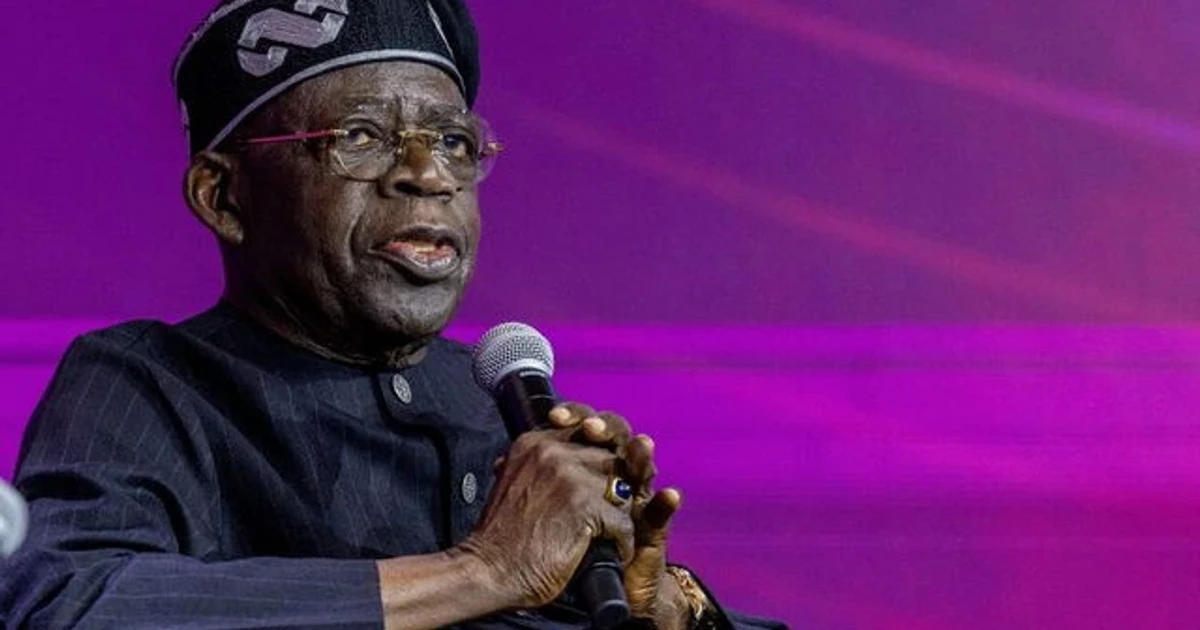
A Federal High Court in Abuja ordered Nigeria’s electoral commission to deregister five political parties, including the African Democratic Congress, in a ruling that could reshape the opposition field before next January’s elections. Justice Peter Lifu said the parties had fallen short of constitutional performance requirements, placing one of President Bola Tinubu’s most visible challengers at the center of a fast-moving legal fight.
The judgment targeted the ADC, Accord Party, Action Alliance, Action Peoples Party and Zenith Labour Party. The case, filed by the Incorporated Trustees of the National Forum of Former Legislators, argued that the parties no longer met the standards required to remain registered. Justice Lifu agreed, saying the parties had breached Section 225 of the Nigerian constitution and failed to secure the benchmark needed to keep their status.
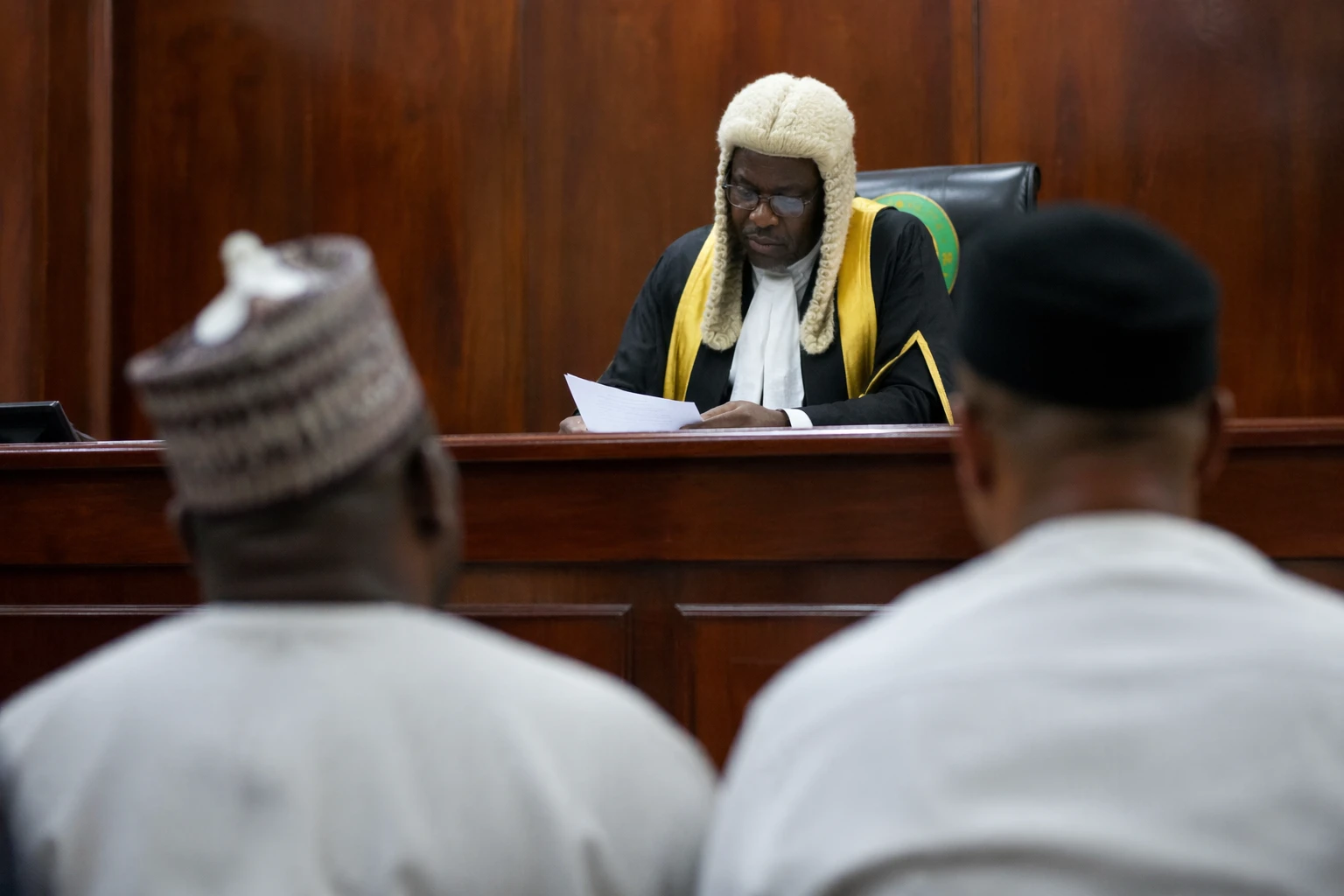
Under Nigerian law and INEC’s party rules, a party must win at least one elective office at any level or take at least 25 percent of the vote in a state during a presidential election to avoid deregistration. That standard has long made performance, not just registration, the threshold for survival. INEC’s current list still includes the five affected parties, which means the order could have immediate consequences if it is enforced while appeals proceed.

The ADC rejected the ruling at once. Spokesperson Bolaji Abdullahi called it “a direct invitation to anarchy” and said the party would appeal through all legal and constitutional channels. Atiku Abubakar’s camp accused Tinubu of being behind the judgment, sharpening the political stakes around a case that now reaches far beyond party administration. In the days before the ruling, reports had already linked Abubakar to an ADC-led opposition coalition, with discussions underway about a possible ticket pairing him with former Rivers State governor Rotimi Amaechi.

The wider significance lies in what happens if the opposition field narrows. If the ruling stands, it could remove a platform being used by Abubakar and his allies, force new alliance-building and strengthen the ruling APC’s position before ballots are cast. It would also reinforce the role of the courts in deciding who gets to compete in Nigeria’s elections, where litigation often shapes the field long before campaigns peak.

The order also fits a broader pattern. INEC previously deregistered 28 political parties after the 2019 election cycle, citing failures to meet statutory requirements. But this case is different in scale and timing, because it reaches five existing parties at once and lands in the middle of a fresh round of opposition realignment. For INEC, the ruling puts the commission at the center of a highly charged enforcement dispute that could define the battle over pluralism heading into the next election cycle.