World
Nigerian returnees from South Africa face old economic struggles at home
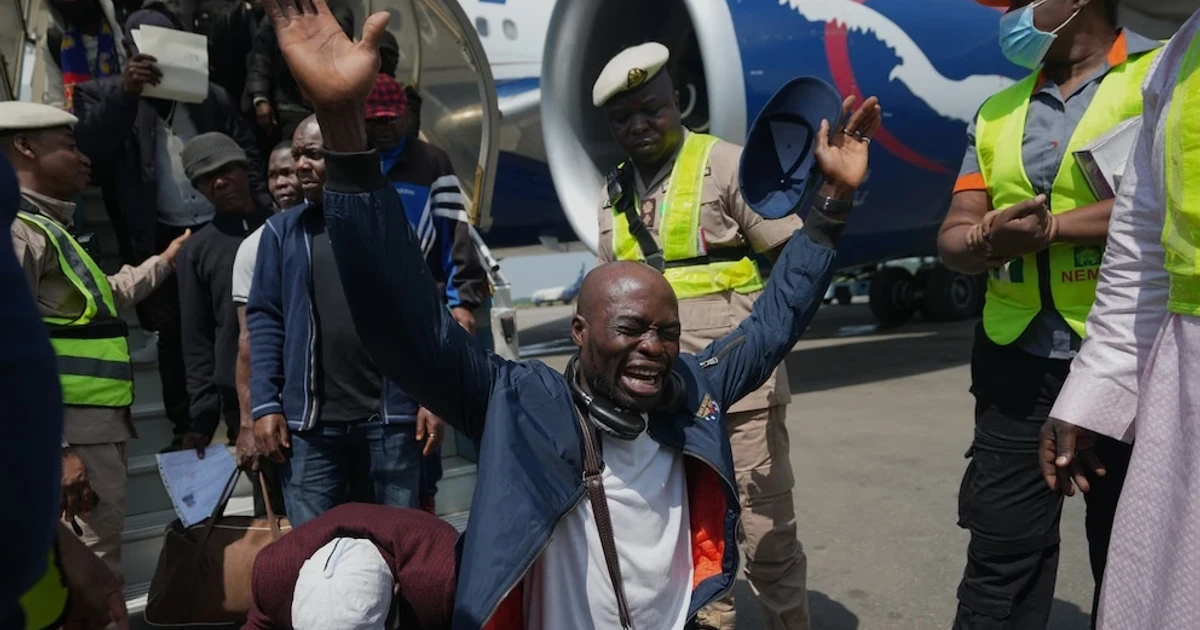
When Iniebong James stepped off a flight into Lagos with hundreds of other Nigerians returning from South Africa, the relief of reaching home quickly gave way to a harder fear: there was no clear path back into work, income or stability. The 52-year-old had lived in South Africa for years after leaving Nigeria for what was supposed to be a short visit, but anti-migrant marches and reported attacks pushed him and many others into repatriation.
James’ return shows the deeper failure behind each evacuation flight. Leaving South Africa can end the immediate threat of xenophobic violence, but it does not end the economic pressure that made migration necessary in the first place. For many returnees, the move back to Nigeria means confronting the same weak labor market, depleted savings and unstable prospects that shaped the decision to leave.
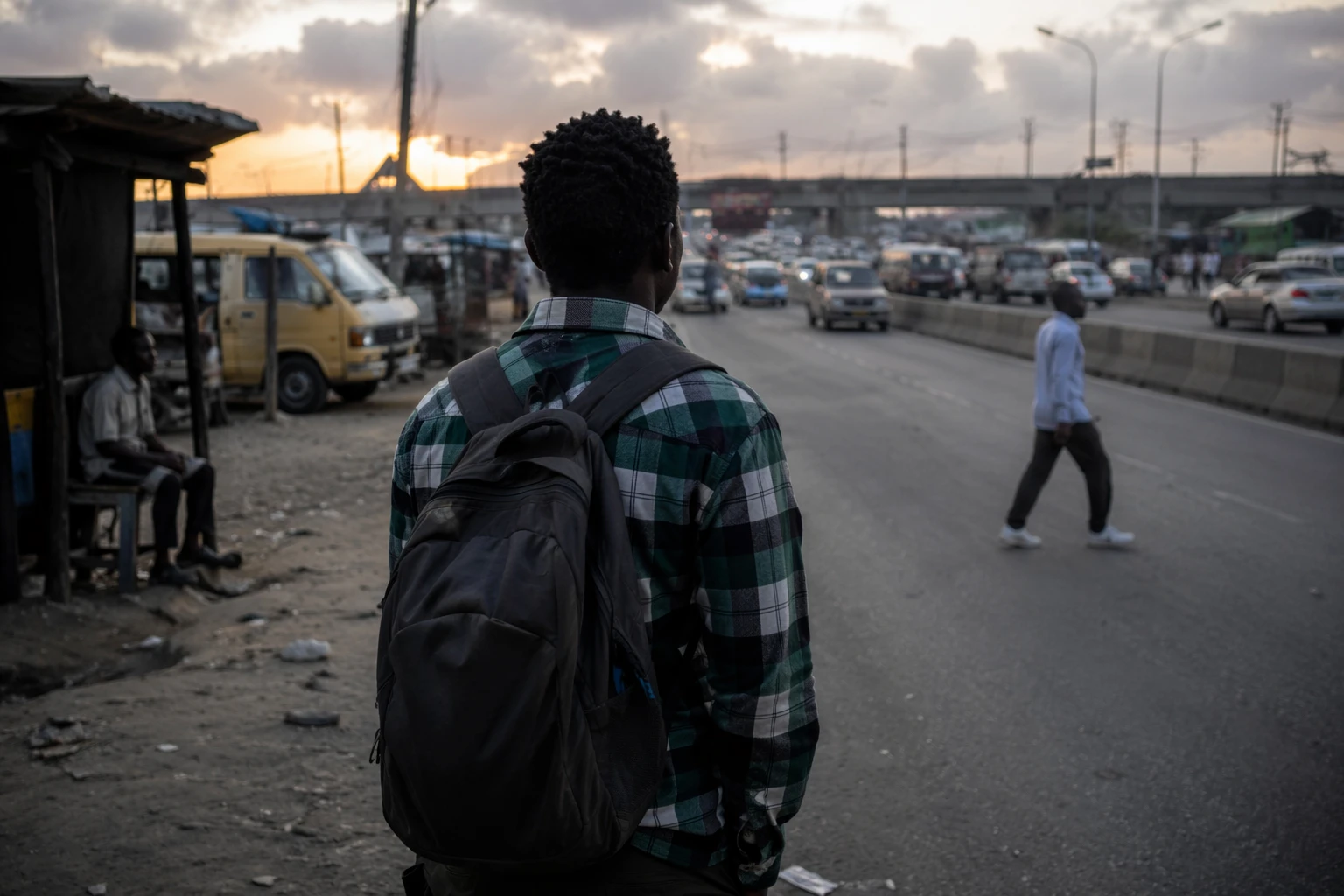
The latest repatriation effort comes amid a sharp rise in anti-migrant sentiment in South Africa, where marches have called for immigrants without legal status to leave and reports of attacks have frightened foreign nationals. Nigeria has been planning multiple evacuation flights, and at least 1,094 Nigerians registered interest in returning home, a sign that the demand is far larger than one plane or one reception desk can solve.
This is not the first time the region has been forced into emergency returns. In September 2019, Nigeria began bringing home more than 600 citizens from South Africa after xenophobic violence. The first flight, which landed at Murtala Mohammed International Airport in Lagos on Sept. 11, 2019, carried 187 Nigerians, including more than 30 children. South African police later said 12 people died and 639 people were arrested during the unrest.
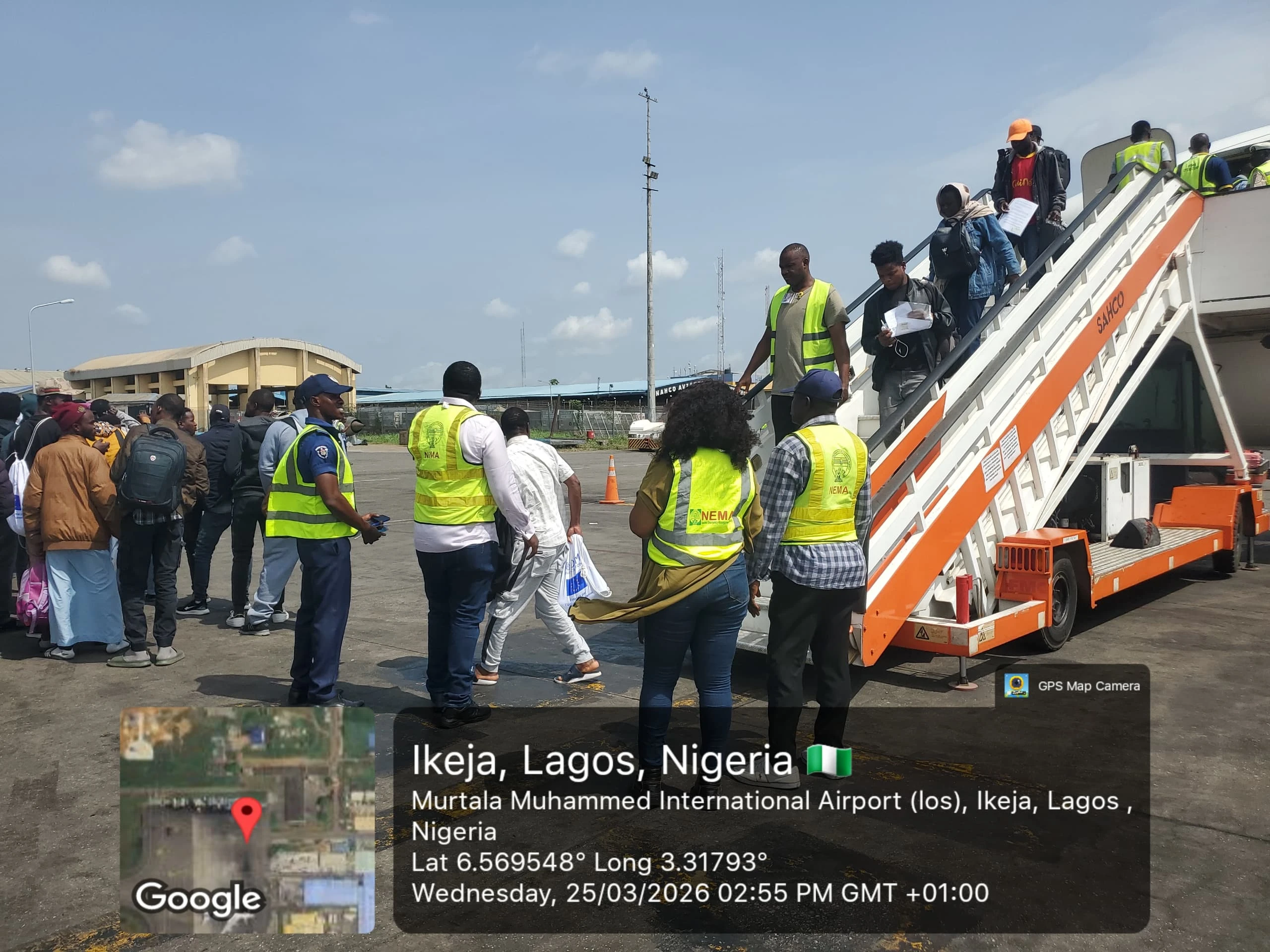
That cycle matters because each return exposes the absence of reintegration planning. Homecoming is not the same as recovery. Returnees often arrive with disrupted work histories and little financial cushion, while Nigeria still struggles to absorb people into formal employment and stable housing. The World Bank says Nigeria’s unemployment rate was 3.5% in 2024, but that figure does not capture the larger problem of underemployment and informal work that leaves many households unable to earn enough to stay secure.

The World Bank also says Nigerian household incomes have not fully recovered and poverty remains high. That leaves returnees like James caught between two failures: pushed out by violence abroad and pulled into the same economic insecurity at home. Without durable protections, jobs and reintegration plans, each flight back to Lagos becomes less a solution than a reset of the same migration crisis.
Sources
- [1]abcnews.com
- [2]aljazeera.com
- [3]nidcom.gov.ng
- [4]news24.com
- [5]data.worldbank.org
- [6]worldbank.org
- [7]businessinsider.com