Health
Nigeria’s Digital Push Sparks Rise in Risky Herbal Remedies
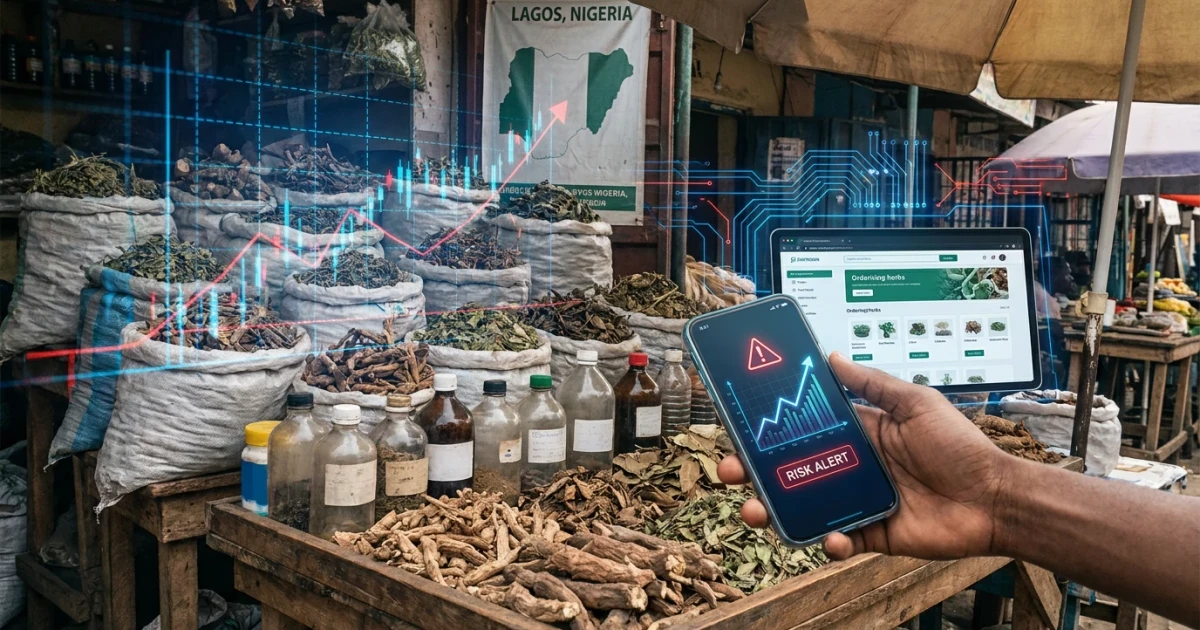
Nigeria is witnessing a surge in the popularity of herbal medicines, driven by innovative digital platforms that market and distribute remedies nationwide. This trend, dubbed the rise of the ‘algorithmic apothecary’ by Al Jazeera, is transforming the country’s health landscape, raising both hopes for greater access and concerns about safety and regulation.
Digital Platforms Fuel Herbal Medicine Boom
Technology is reshaping how Nigerians access traditional remedies. Digital platforms use algorithms to personalize herbal medicine recommendations, connecting millions with products tailored to their symptoms and health histories. As reported by Al Jazeera, these platforms leverage social media, mobile apps, and online marketplaces to reach urban and rural populations alike, offering a wide variety of herbal cures—often promising rapid relief for common ailments.
- Herbal medicines are increasingly marketed online, reaching a wider demographic than ever before.
- Algorithms match remedies to user profiles, speeding up the process but sometimes bypassing medical oversight.
- Social media influencers and digital ads promote herbal products as “natural” alternatives to pharmaceuticals.
Regulatory Gaps and Safety Concerns
This digital revolution has outpaced Nigeria’s regulatory framework. While official bodies like NAFDAC oversee herbal medicine registration and safety alerts, many remedies sold online evade formal scrutiny. Al Jazeera notes that the proliferation of unregulated herbal products has led to adverse health outcomes, including cases of toxicity, allergic reactions, and even hospitalizations.
- NAFDAC’s list of registered herbal medicines covers only a fraction of products available online.
- Some platforms use “algorithmic” recommendations without clinical validation or evidence-based testing.
- Consumers often lack access to reliable information about ingredients, dosages, and side effects.
Experts cited by Al Jazeera warn that these gaps leave Nigerians vulnerable to risky cures, particularly those with underlying health conditions or limited access to conventional healthcare.
Cultural Roots and Modern Demand
Nigeria’s interest in herbal medicine is rooted in centuries-old tradition, with remedies passed down through generations. However, the digital boom is amplifying demand, especially among younger, tech-savvy Nigerians seeking affordable, accessible health solutions. The Annual Abstract of Statistics from the National Bureau of Statistics shows a steady rise in the use of traditional medicine over the past decade, reflecting both cultural continuity and economic necessity.
- Traditional healers are increasingly collaborating with digital entrepreneurs to expand their reach.
- Herbal remedies are seen as cost-effective compared to prescription drugs, especially in rural areas.
- Online platforms enable consumers to access remedies without visiting clinics, but also bypass professional diagnosis.
Calls for Stronger Oversight
Health authorities and international organizations, including the World Health Organization, have called for stronger regulation and public education to address the risks associated with digital herbal medicine sales. They emphasize the need for rigorous clinical testing, transparent labeling, and integration of traditional remedies into mainstream healthcare under supervised conditions.
Al Jazeera’s reporting highlights the urgency of bridging the gap between innovation and safety. Without clear regulatory standards, the algorithmic apothecary risks fueling both a health boom and a surge in dangerous outcomes.
Looking Ahead
Nigeria stands at a crossroads: harnessing technology to democratize access to herbal medicine, while grappling with the need for effective oversight. As digital platforms expand their influence, policymakers, health professionals, and consumers will need to collaborate on solutions that protect public health and honor the country’s rich tradition of herbal healing.
- Strengthening NAFDAC’s digital monitoring capabilities could help close regulatory loopholes.
- Public awareness campaigns may empower consumers to make safer health choices.
- Integrating digital innovation with evidence-based medicine offers a path forward for Nigeria’s evolving healthcare landscape.
Ultimately, the challenge will be to balance technological progress with the safety and well-being of millions who rely on herbal remedies—whether prescribed by a healer or recommended by an algorithm.