Health
NIH chief says he trusts vaccine science amid measles surge
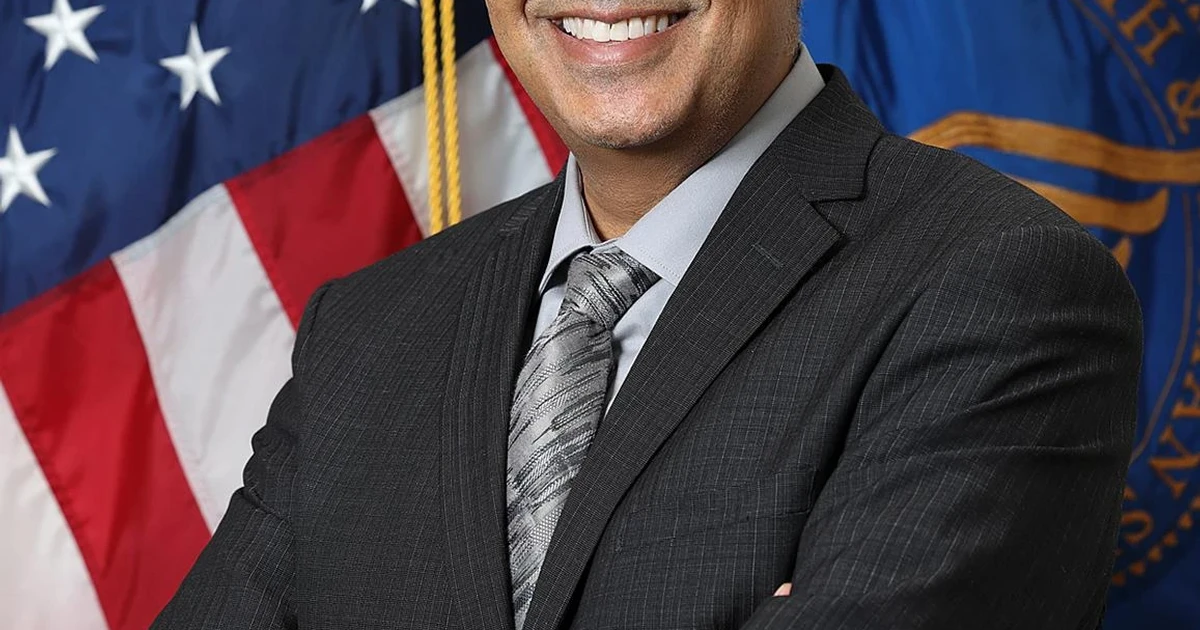
NIH Director Dr. Jay Bhattacharya used a national Sunday broadcast to draw a clear line behind vaccine science, saying, "I trust the science on vaccines" while Margaret Brennan pressed him on whether science and politics were colliding inside federal health leadership. He also said no single vaccine causes autism, placing the National Institutes of Health chief on the record as measles cases climbed and parents looked toward school-year immunizations.
His comments carried added weight because they came after years of public skepticism from Health and Human Services Director Robert F. Kennedy Jr. about childhood vaccines. Kennedy has now said parents should vaccinate their children against measles, a shift that may ease some immediate concerns but still leaves the administration with mixed signals at a moment when families are being asked to make practical decisions about MMR shots before classrooms fill again. For NIH, the issue is credibility as much as messaging: Bhattacharya’s defense of vaccine science suggests a more traditional public health posture, but it sits inside a leadership structure where vaccine doubt has often had a louder political voice.
The measles numbers give the dispute real-world stakes. Johns Hopkins Bloomberg School of Public Health’s U.S. Measles Tracker counted 2,484 U.S. cases in 2026 as of Aug. 7, already above the 2,286 cases recorded in all of 2025. A March 12 CDC report on the 2025 New Mexico outbreak said the United States had experienced the largest number of measles cases in 25 years. New York State health officials say everyone should make sure they have received their measles, mumps and rubella vaccines, a blunt reminder aimed at families deciding whether children are protected before the school year gets underway.
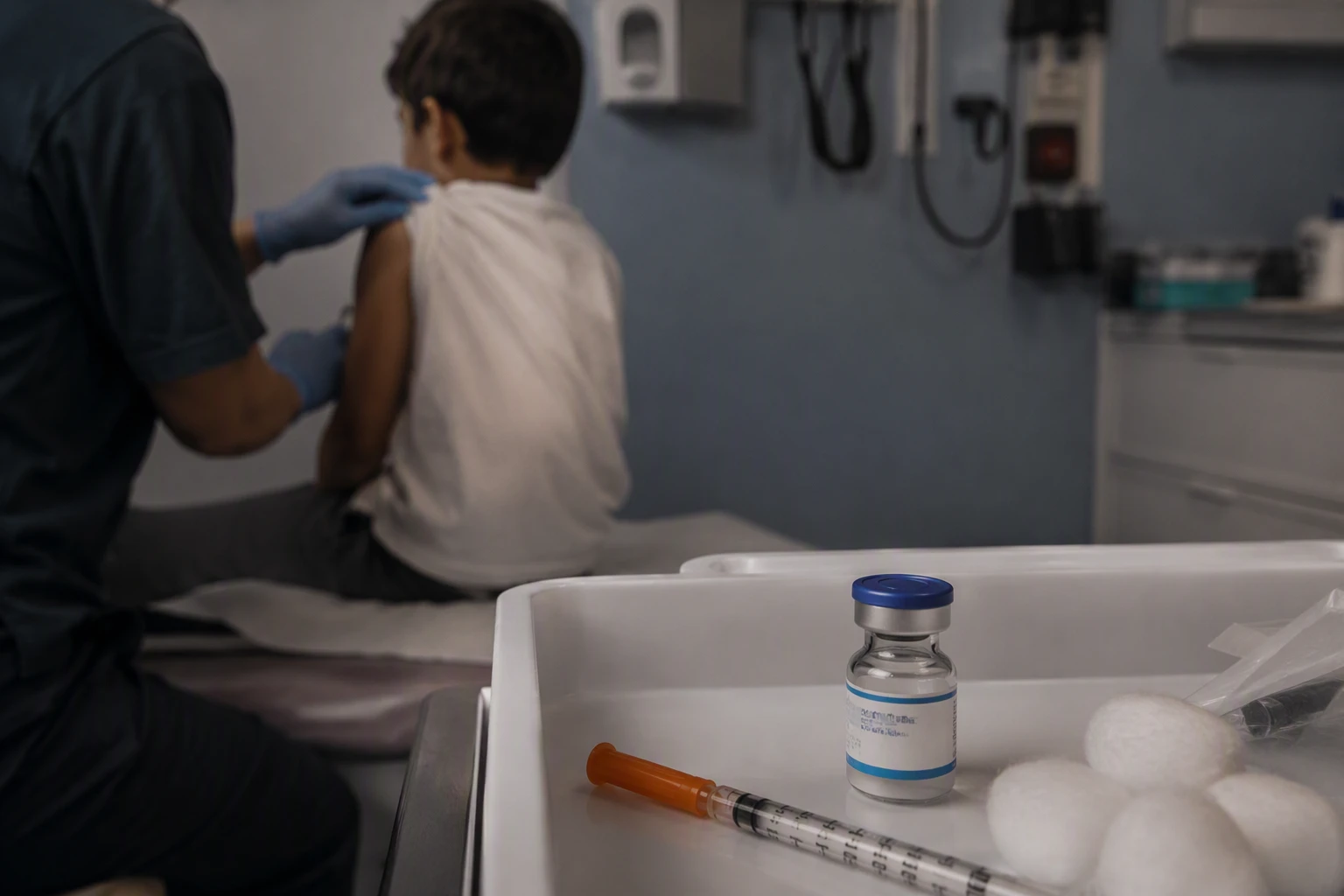
Bhattacharya appeared with Republican Sen. Bill Cassidy and independent Sen. Bernie Sanders, a lineup that underscored how vaccine policy now sits at the center of both public health and partisan politics. With measles cases already well above last year’s total, the question is no longer whether the virus can spread quickly. It is whether federal health leaders can speak with one voice about the vaccines that stop it.
Sources
- [1]cbsnews.com
- [2]publichealth.jhu.edu
- [3]reuters.com
- [4]abcnews.com
- [5]cdc.gov
- [6]health.ny.gov