Business
Nike and Adidas ramp up World Cup marketing battle for 2026
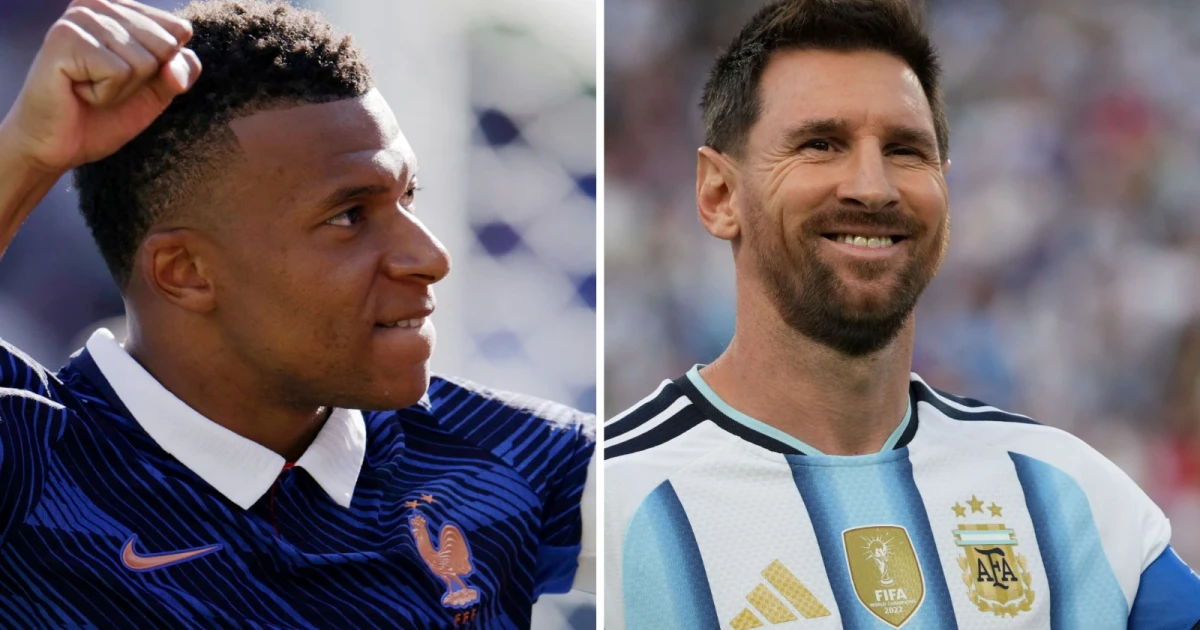
The World Cup has become a far bigger contest than the one played on the grass. Nike and adidas are using the tournament across the United States, Canada and Mexico to shape what national teams, fans and football culture look like to a global audience in more than 200 countries.
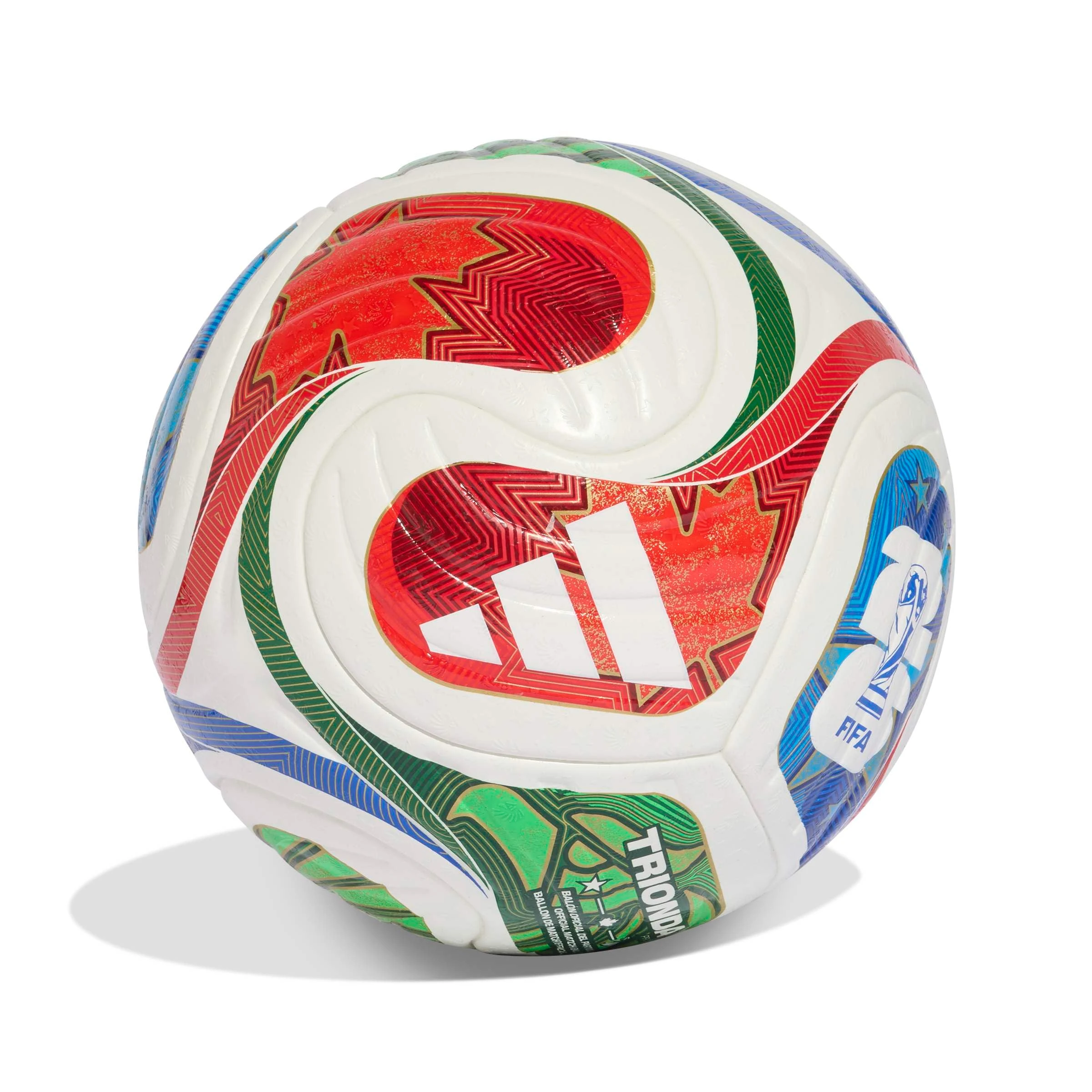
adidas enters the event with the deepest historical claim. FIFA says its relationship with adidas stretches back more than 50 years, and adidas has supplied the official match ball for every men’s World Cup since 1970. For 2026, the company unveiled TRIONDA, its 15th official men’s World Cup match ball, with a design inspired by the tournament’s three co-hosts and connected ball technology meant to track every movement.
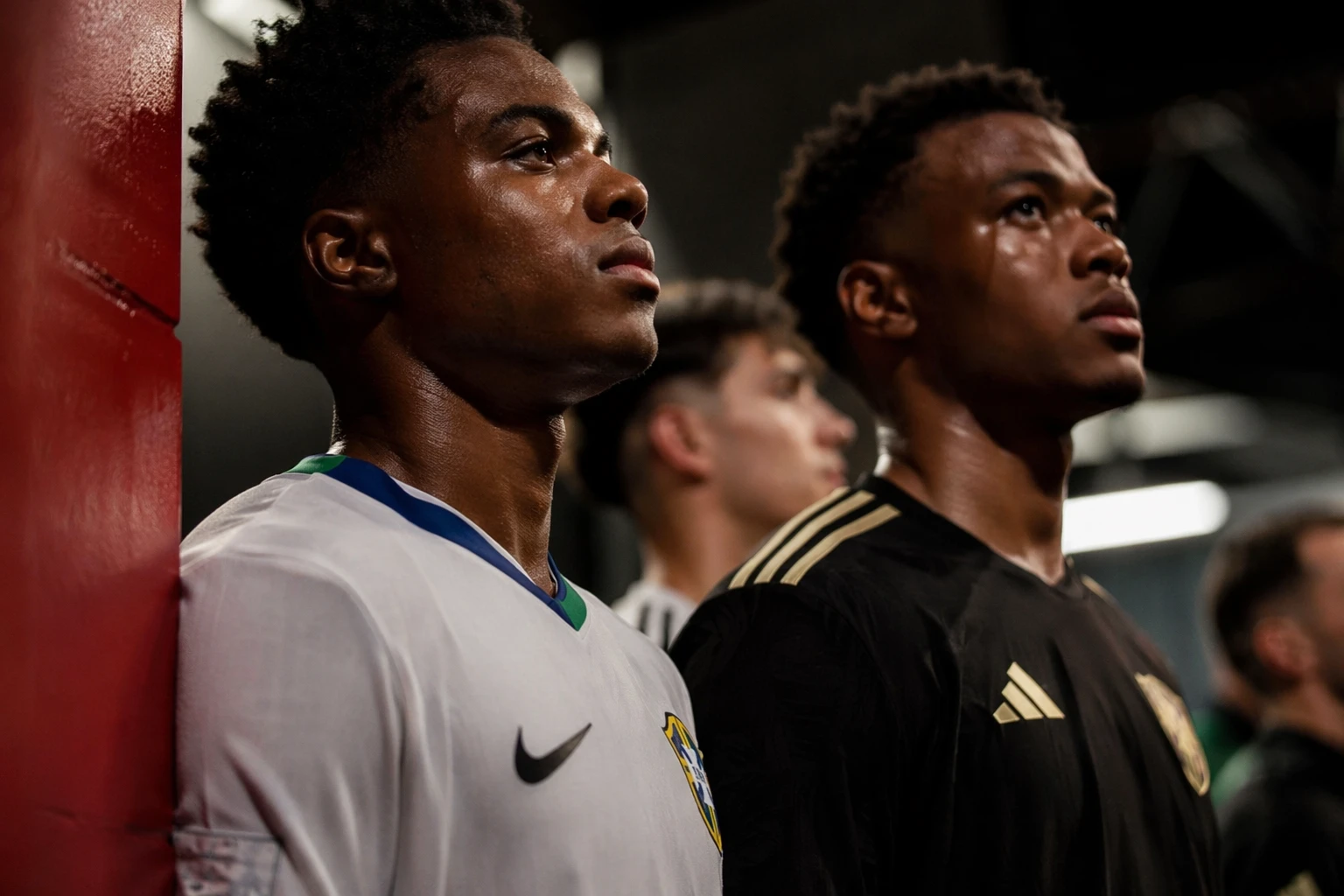
Nike is answering with a different kind of visibility. The company unveiled its 2026 federation kits and paired them with football-focused retail and fandom activations, presenting the collection as a blend of heritage, culture and future-facing design. The strategy goes beyond uniforms: Nike is trying to turn national-team apparel into a larger retail and identity play as fans prepare for a tournament that FIFA says will feature partner activations and immersive experiences.
The commercial stakes are measurable. Trade coverage says adidas will supply 14 federations at the 2026 World Cup, compared with 12 for Nike, while Nike, adidas and Puma together account for the overwhelming majority of the 48-team field. adidas also expects the tournament to generate about €250 million in product revenue, a sign of how much sales can hinge on a few weeks of global attention and how much brand heat can spill into the rest of the football calendar.

For Nike, the competition carries added pressure. Reuters reported on June 11, 2026 that the company expects sales to fall 2% to 4% in the current quarter, while its shares had dropped more than 30% in 2026 as Elliott Hill’s turnaround effort continued. Nike’s first World Cup team sponsorship came with the United States in 1994, but adidas has spent decades using the event to reinforce football as a core part of its identity. That makes the 2026 tournament not just a showcase for kits and balls, but a high-stakes battle over who owns the sport’s cultural center of gravity.
Sources
- [1]bbc.com
- [2]inside.fifa.com
- [3]fifa.com
- [4]about.nike.com
- [5]investing.com
- [6]forbes.com
- [7]adidas-group.com
- [8]news.adidas.com
- [9]retaildive.com