Politics
Nine Solutions to Political Corruption: Reforming Democracy for a Fairer Future
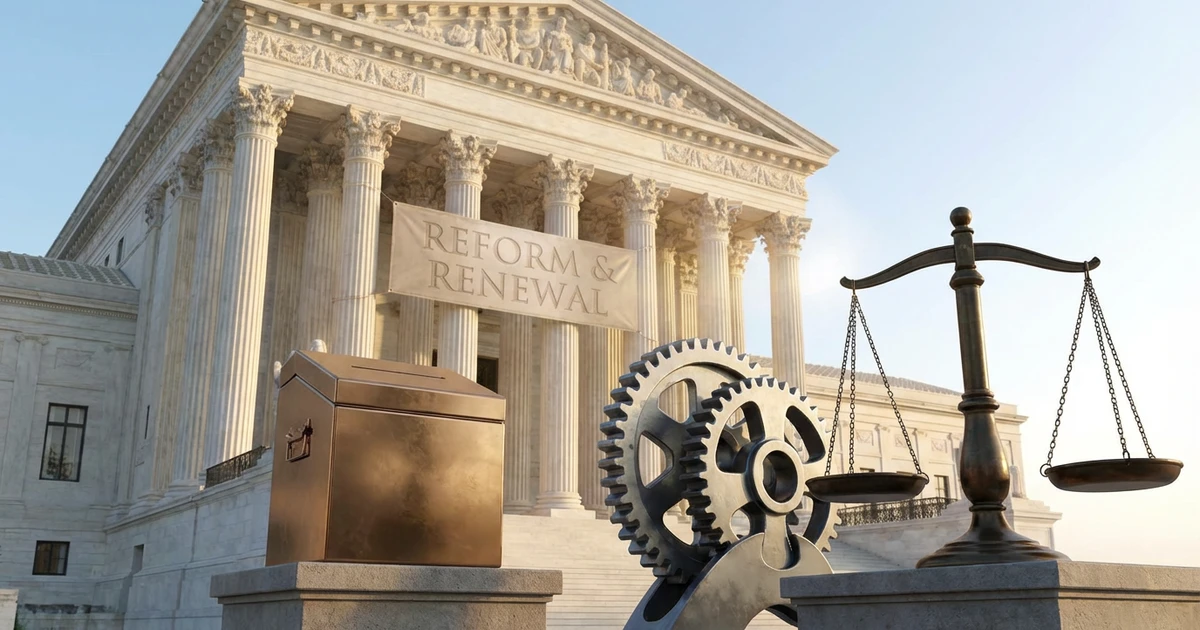
Political corruption remains a pressing challenge for democracies worldwide, eroding public trust, undermining the rule of law, and distorting policy outcomes. Addressing this issue requires a comprehensive approach that tackles both the root causes and the symptoms of corruption. The Brennan Center for Justice has proposed nine targeted solutions designed to close loopholes, increase transparency, and restore accountability in government.
Understanding the Impact of Political Corruption
Corruption in politics manifests in various forms, from the misuse of public funds to undue influence by special interests. Such practices can weaken democratic institutions, discourage civic participation, and perpetuate inequality. According to policy experts, effective reform must focus on both preventing corruption and prosecuting it when it occurs.
Nine Solutions to Combat Political Corruption
The Brennan Center for Justice offers these nine actionable solutions to address political corruption:
- 1. Enforce Campaign Finance Laws: Strengthening enforcement ensures that existing rules are respected, deters violations, and holds offenders accountable.
- 2. Increase Transparency: Mandating disclosure of political spending, lobbying activities, and government contracts allows the public to track money in politics and spot conflicts of interest.
- 3. Empower Small Donors: Matching small donations with public funds elevates the voices of everyday citizens and reduces the disproportionate influence of wealthy donors.
- 4. Close Pay-to-Play Loopholes: Prohibiting government contractors from making political contributions can curb the practice of trading money for government favors.
- 5. Strengthen Conflict-of-Interest Laws: Clear rules and robust enforcement prevent officials from making decisions that benefit themselves or their associates.
- 6. Protect Whistleblowers: Safeguarding those who expose corruption encourages accountability and helps bring wrongdoing to light.
- 7. Modernize Ethics Agencies: Independent, well-resourced ethics commissions can investigate and punish unethical behavior more effectively.
- 8. Limit the Revolving Door: Restricting former officials from lobbying their old agencies reduces the risk of undue influence and self-dealing.
- 9. Strengthen Enforcement: Providing adequate resources and legal authority to enforcement agencies ensures that anti-corruption laws are not just symbolic.
The Need for Comprehensive Reform
Each of these solutions addresses a specific vulnerability within the political system. When combined, they create a robust framework for restoring integrity and public confidence in government. Transparency and strong enforcement mechanisms are particularly critical, as they deter would-be violators and help the public hold officials to account.
Challenges and Forward Outlook
Implementing these reforms is not without obstacles. Political gridlock, entrenched interests, and resource limitations can slow progress. However, public demand for cleaner government remains high, and ongoing reforms at the state and local levels demonstrate that change is possible.
As the fight against political corruption continues, these nine solutions provide a practical roadmap for policymakers, advocates, and citizens committed to safeguarding democracy. For further details and the latest updates on anti-corruption measures, visit the Brennan Center for Justice.
Conclusion
Political corruption will not disappear overnight, but strategic reforms like those proposed by the Brennan Center for Justice can help shift the balance toward greater transparency, fairness, and accountability. By enacting and enforcing these solutions, societies can rebuild public trust and ensure that government serves the many—not just the privileged few.