US News
Ninth Circuit judge Ronald Gould keeps working through multiple sclerosis
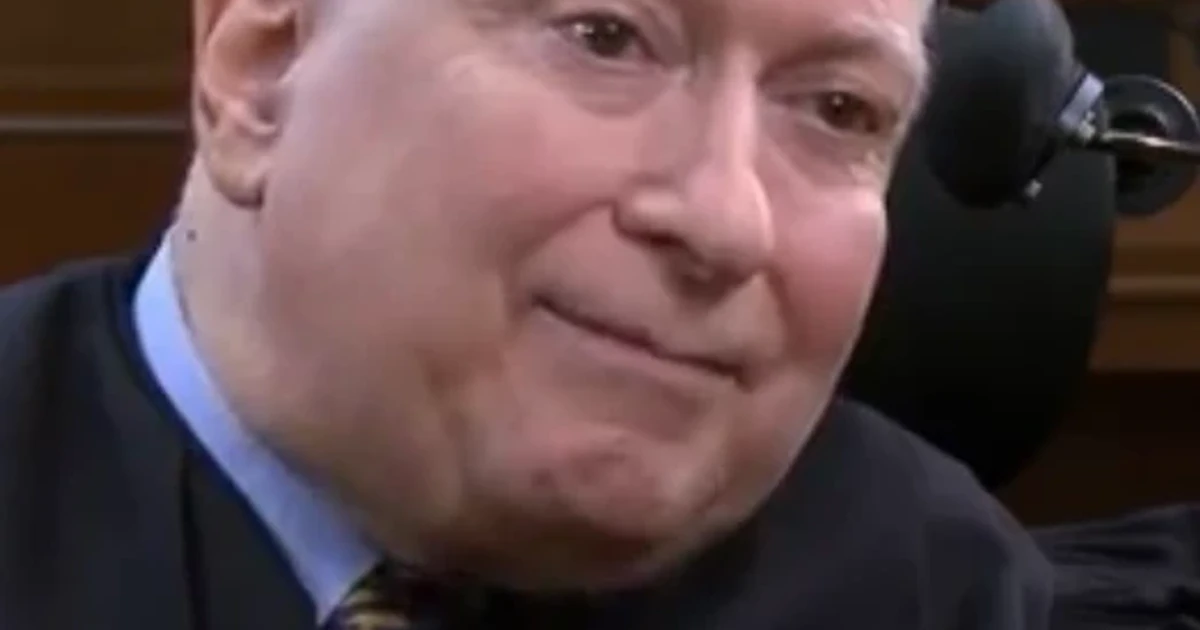
Ronald Gould still hears Ninth Circuit cases from his Seattle chambers, teleconferencing into oral arguments while living with progressive multiple sclerosis. At 79, the federal judge continues to carry a full caseload, a rare look at how the judiciary adapts when a senior jurist’s health changes but the work does not stop.
Gould joined the U.S. Court of Appeals for the Ninth Circuit after President Bill Clinton appointed him in 1999. The U.S. Senate confirmed him on Nov. 17, 1999, and he took his seat in January 2000. The Federal Judicial Center lists his full name as Ronald Murray Gould.
His path to the bench ran through the old-line structures of federal legal training and private practice. Gould graduated magna cum laude from the University of Michigan Law School in 1973, clerked for Judge Wade H. McCree Jr. of the Sixth Circuit and for Supreme Court Justice Potter Stewart, then joined Perkins Coie as an associate in 1975 before becoming a partner. Those credentials now sit beside a different marker of public service: a judge who has remained active on one of the nation’s busiest appellate courts despite a progressive neurological disease.
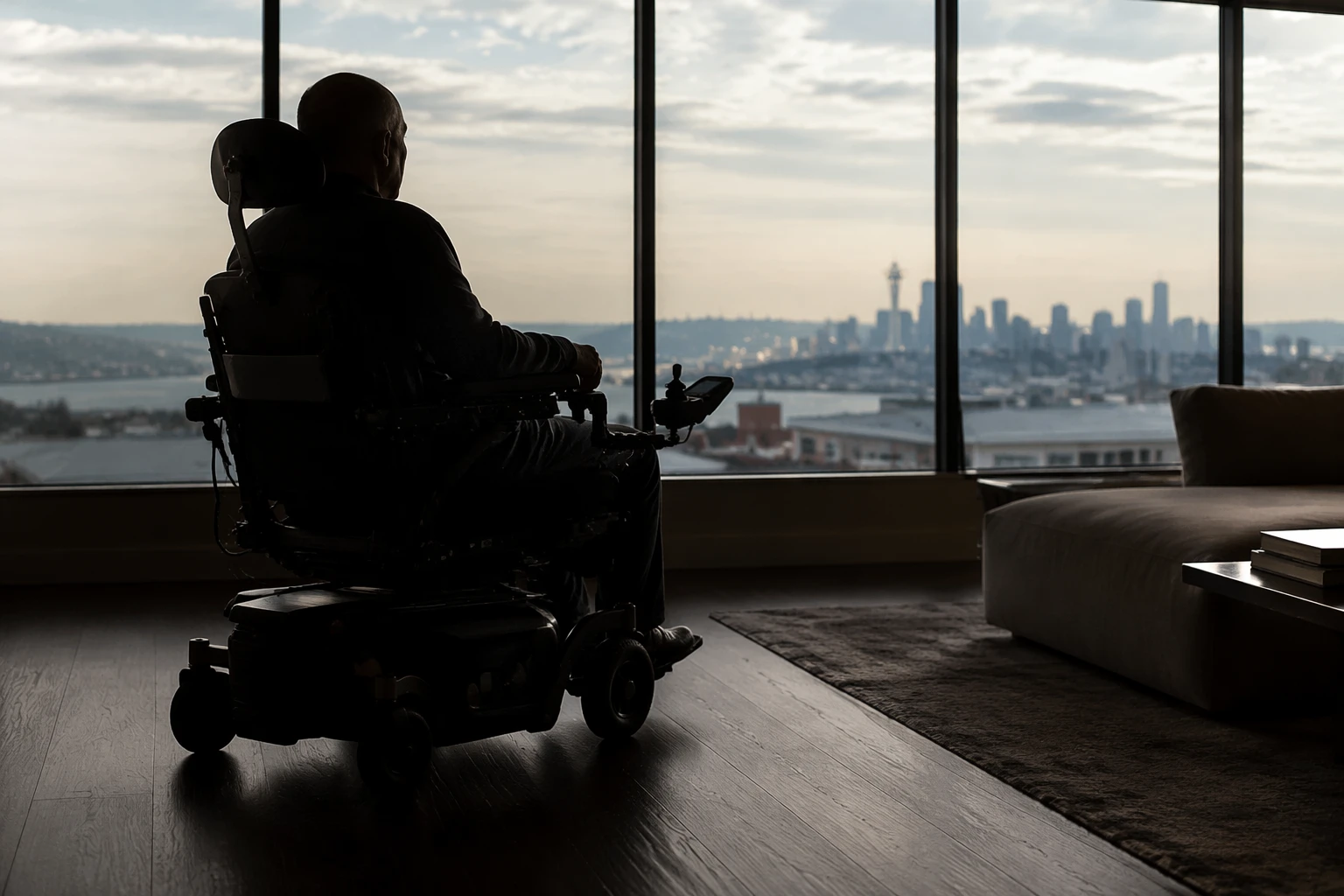
A U.S. Courts profile published in 2013 described how Gould manages that work and quoted his advice to people with multiple sclerosis: focus on “what you can do.” That profile said he continues to participate in arguments by teleconference from his Seattle chambers, a practical accommodation that lets him remain on the bench without retreating from it. The arrangement is more than personal adaptation; it shows how court operations can be adjusted to retain experienced judges and preserve continuity in appellate decision-making.
Public profiles from the American Bar Association, the Federal Bar Association, and IDIA Law have highlighted the same point: Gould has kept serving on the Ninth Circuit with distinction while living with MS. In a judiciary that increasingly includes senior judges carrying long careers and complex health needs, Gould’s workload stands as a direct example of accommodation in practice, not theory.
Sources
- [1]cbsnews.com
- [2]uscourts.gov
- [3]fedbar.org
- [4]fjc.gov
- [5]americanbar.org
- [6]idialaw.org